

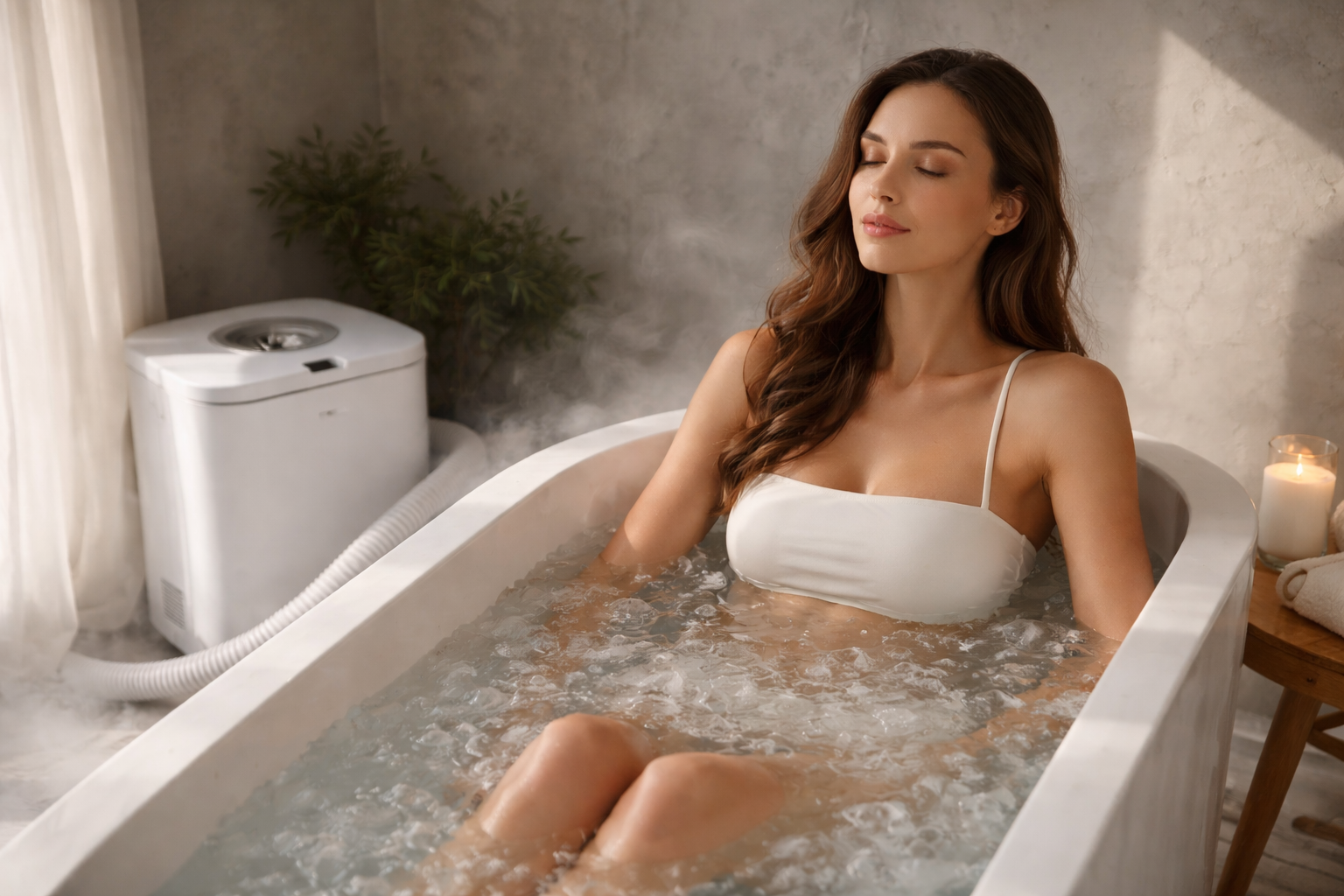
Ice bath chiller reviews are essential for anyone considering a premium at-home recovery routine. Unlike simple cold water plunges, home chiller systems offer stable, precise cooling and reduce the hassle of buying ice. But they’re not as effortless or maintenance-free as many assume. This guide addresses what beginners need to know—real-world usability, setup realities, daily care, and limitations—to help you make a confident, informed decision before investing in a home ice bath chiller system.
Key Takeaways
- One clear insight about how home ice bath chillers work in real-world conditions.
- One important consideration beginners should understand before choosing or using a chiller.
- One realistic expectation about results, consistency, or maintenance.
The Core Concept
Ice bath chiller reviews matter because a high-quality chiller can transform your home recovery process. A home ice bath chiller chills and circulates water to specific temperatures (often between 39°F and 55°F) without the need for constant ice buying or melting. This lets you create a controlled cold-plunge environment on demand—ideal for those serious about regular recovery, longevity, or athletic wellness.
How is this different from traditional cold plunging with bags of ice? Manual ice baths fluctuate in temperature, can be messy, and require repeated buying ice. Chiller systems automate cooling and filtration but require ongoing cleaning, setup, and proactive care for reliable operation. Unlike “plug and play” gadgets, home chillers are appliances—think more like maintaining a high-end coffee machine than a simple tub.
For beginners, this means you gain reliable cold recovery—but only if you commit to consistent maintenance, water sanitation, and safe routines. It’s a step up in both comfort and required care.
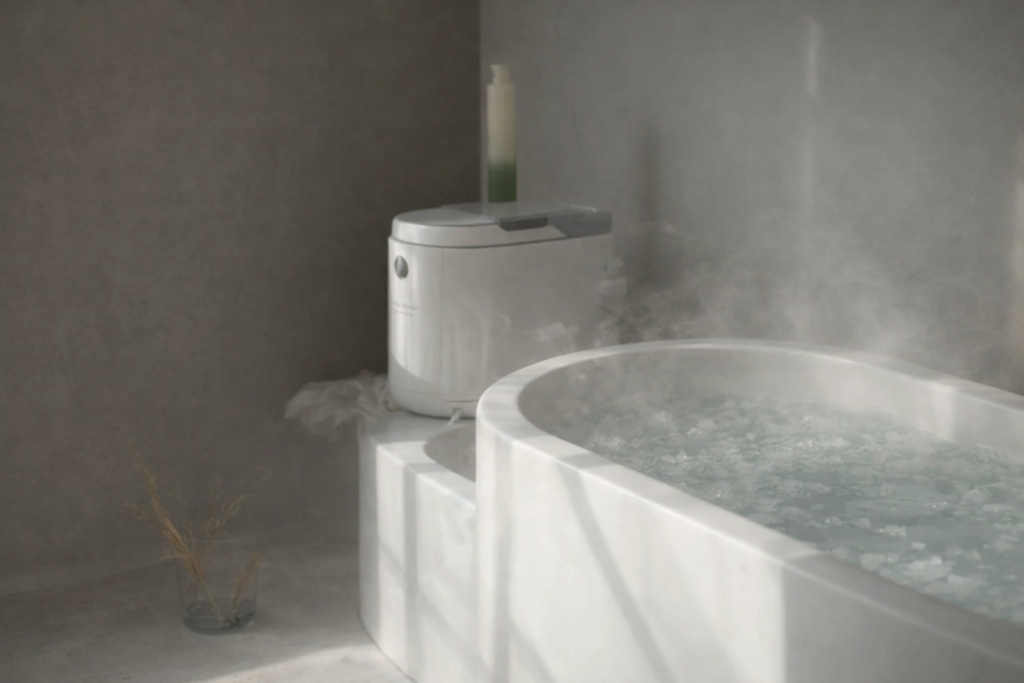
Step-by-Step Home Use Guide
Setting up and using a home ice bath chiller safely is straightforward when broken into steps. Here’s a practical guide for beginners:
1. Preparation & Placement
- Choose a spot with firm, level flooring and easy drain access.
- Allow 12–24 inches of space around the chiller for airflow.
- Connect only to a grounded, GFCI-protected power outlet.
- Fill your tub or plunge with clean, preferably softened water.
2. Setting the Temperature
- Begin with 50-59°F (10-15°C) for your first sessions for safety.
- Use the chiller’s control panel to set the temperature; verify with a waterproof thermometer.
- Never drop below 39°F (4°C) unless advised by a health professional.
3. Safe Immersion Routine
- Limit first dips to 1-2 minutes; slowly build up to 3-5 minutes over sessions.
- Always have a towel, timer, and plan for exiting the bath safely.
- Consistency helps: aim for 2–3 sessions per week instead of extreme, infrequent plunges.
4. Post-Plunge Protocol
- Dry off and slowly rewarm—do not jump into a hot shower immediately.
- Stay hydrated and rest if dizzy or lightheaded.
5. Cleaning & Care
- Check and rinse filters weekly; clean tank surfaces to prevent slime or odors.
- Change water at least every 3–5 days or when cloudy.
- Clean condenser coils monthly; schedule professional chiller servicing twice a year.
- Sanitize water according to your chiller’s manual (some allow low-dose hydrogen peroxide or pool treatments).
Build safe habits from the start and do not rush cold adaptation. Your body will adapt over weeks, not days.
💡 Pro Tip: Keep a soft, insulated mat next to your plunge for safe, slip-free exits, and use a dedicated thermometer to verify water temperature each time for consistent results.🔥 Hacks & Tricks: Mark cleaning dates on your calendar and set up a simple log for water changes. This routine maintains sanitation and extends chiller life while reducing surprises.
For a deeper look at safe routines and optimization, see our Best Ice Bath Routine At Home and Ice Bath Water Maintenance guides.
Advanced Analysis & Common Pitfalls
Despite the appeal, real user experiences reveal important drawbacks when starting with home ice bath chillers. Based on technical reports and maintenance data from leading industry sources, here are the most common obstacles for beginners:
- Noise: Cooling units often hum like a small refrigerator. Placement in living spaces or apartments can be disruptive.
- Energy Use: Running a chiller several hours per day can add $20–$40/month to electricity bills, especially if run inefficiently due to dirty filters or inadequate insulation (source).
- Cleaning & Sanitation: Weekly filter rinsing, monthly condenser cleaning, and frequent water changes are musts. Without proper care, units break down, and water can stagnate resulting in odors or increased health risk (source).
- Space Requirements: Most chillers require at least the footprint of a small desk and several inches of open space on each side for ventilation.
- Abandonment: While no direct user feedback exists, technical sources link user dropout to maintenance lapses, frequent breakdowns, or unmet expectations of “plug and play” simplicity (source).
- Common Failures: Blocked filters, leaks, and compressor wear from neglected care are reported as the main after-sales issues (source).
| Aspect | Ice Bath Chiller | Manual Ice Bath |
|---|---|---|
| Temperature Control | Exact, adjustable, steady | Variable, drops as ice melts |
| Water Clarity | Requires filters & chemicals | Fresh fill each use |
| Setup Time | Initial setup, ongoing cleaning | Short, but ice runs out fast |
| Cost Over Time | Higher upfront, moderate ongoing | Low upfront, high on ice cost |
| Breakdown Risk | Compressor, filter, or leak issues | Minimal (unless tub leaks) |
If you value precise recovery routines and are willing to dedicate regular time to cleaning and maintenance, a chiller can be an excellent wellness investment. If you seek pure simplicity or lack space and patience for care, manual ice baths or lower-tech options may be more sustainable for your lifestyle.
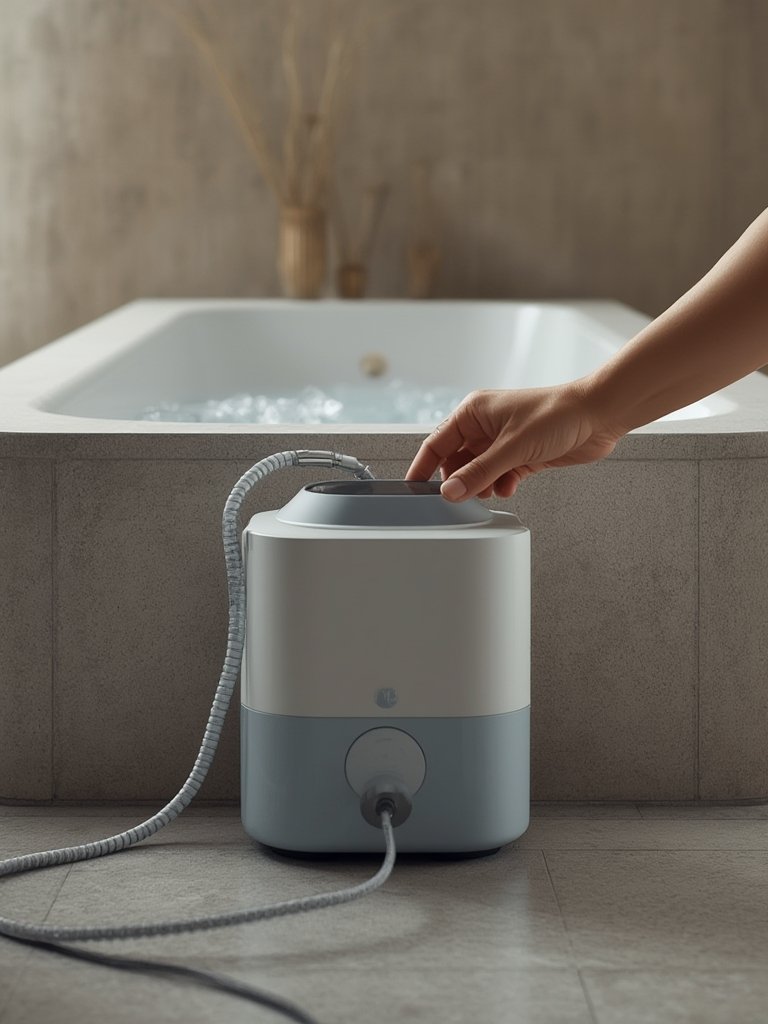
For common questions about safe setup and routines, see our Ice Bath For Beginners and Ice Bath Mistakes To Avoid guides.
Conclusion
Home ice bath chiller systems promise steady, reliable cold recovery for dedicated users—but demand regular care, maintenance, and honest expectations. Before purchasing, consider your space, willingness to maintain water quality, routine cleaning, and realistic needs. If you are ready to invest in a structured, premium recovery setup, a quality chiller may enhance your wellness regimen. If not, simpler cold plunge options may be a better initial fit. Use these evidence-based ice bath chiller reviews to weigh your choices carefully, and compare different approaches before deciding what works best for your lifestyle and goals.
For more details on cost and setup realities, explore our ice bath without ice cost guide.
FAQ Section
Are home ice bath chillers safe for beginners?
When installed with proper electrical safety, ventilation, and gradual immersion routines, home chillers can be safe for healthy adults. Always follow the manufacturer’s setup and operation instructions and do not start with very cold settings or long sessions.
What is the ideal temperature for a beginner using an ice bath chiller?
Most beginners should target 50–59°F (10–15°C) at first, then slowly reduce the temperature if tolerated. Stay above 39°F (4°C) unless an expert advises otherwise.
How often should you do ice bath sessions at home?
Start with 2–3 sessions per week for 1–3 minutes each. Gradually adjust frequency and duration based on personal comfort, goals, and recovery needs.
How do you keep the water clean and safe?
Rinse or change filters weekly, clean the tank regularly, change water every few days, and use manufacturer-approved sanitizers if needed. Routine care prevents odors and health risks.
Who should avoid using a home ice bath chiller?
People with heart conditions, blood pressure issues, or cold sensitivity should not use ice baths without medical supervision. Always consult a doctor if unsure.