

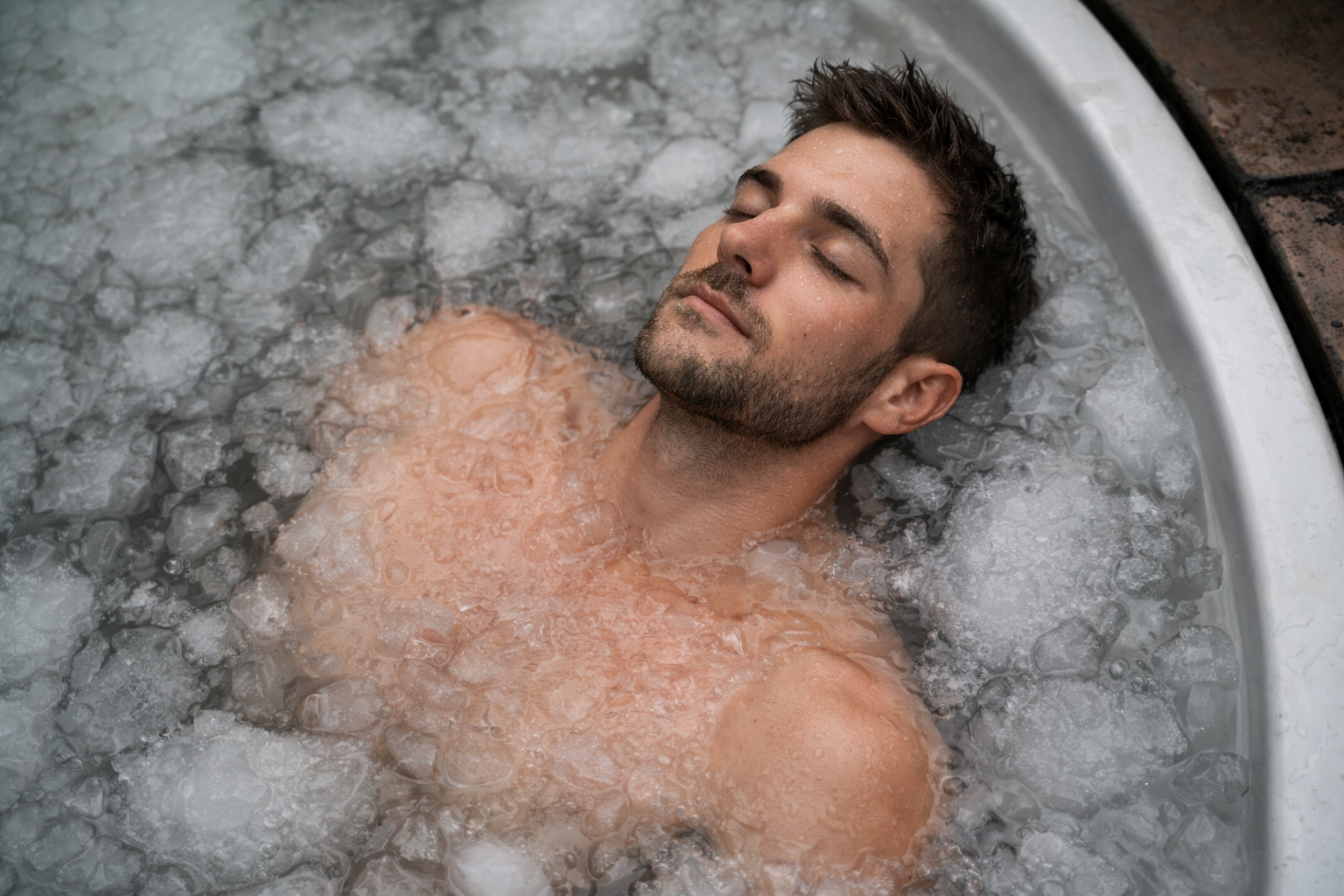
Post-workout ice bath routine means using a controlled cold immersion after exercise at home, typically with an home ice bath chiller. For those seeking premium recovery in a home wellness setting, this approach can deliver convenience and stable cold temperatures—yet beginners must be realistic about both the proven benefits and genuine limitations of this method before investing.
Key Takeaways
- Home ice bath chillers offer precise and consistent cold water temperatures without relying on daily bags of ice, which makes routines easier to maintain in the long run.
- Beginners should know that research finds post-workout ice baths can ease short-term soreness but may reduce muscle growth gains if used too often or too early in training.
- Routine cleaning, regular water treatment, and careful temperature setting are essential for both safety and effective results—maintenance takes time but ensures a rewarding recovery habit.
- The Core Concept: What Is a Post-Workout Ice Bath Routine?
- Step-by-Step Home Use Guide
- Advanced Analysis & Common Pitfalls
- Conclusion
- FAQ
The Core Concept: What Is a Post-Workout Ice Bath Routine?
A post-workout ice bath routine involves immersing your body in cold water, usually between Water Temperature 50°F and 59°F (10°C to 15°C), for a controlled period—typically 5 to 10 minutes—after exercise. The goal is to manage muscle soreness, discomfort, and support recovery within a consistent home setup. In premium wellness routines, this is often achieved with a home ice bath chiller, which cools and filters water automatically, making cold immersion accessible without daily manual ice handling.
Ice bath chillers differ from filling a tub with ice in several ways:
- Temperature Control: Chillers can stabilize water at your target temperature, unlike melting ice, which fluctuates rapidly.
- Water Maintenance: Chillers often include filters and water treatment options, helping to keep your setup hygienic between uses.
- Convenience: No more buying or storing large quantities of ice; prep time is minimal.
- Programmed Routines: Repeatable sessions are easy to schedule, removing guesswork and making adherence more likely.
However, a post-workout ice bath routine may only offer modest, short-term relief for soreness. Peer-reviewed evidence shows these routines might reduce discomfort for a day or two, but routine cold exposure can slow muscle-building adaptations, especially in beginners. Always weigh these factors when considering your recovery strategy. For a deeper dive on routine and results, see best ice bath routine at home.
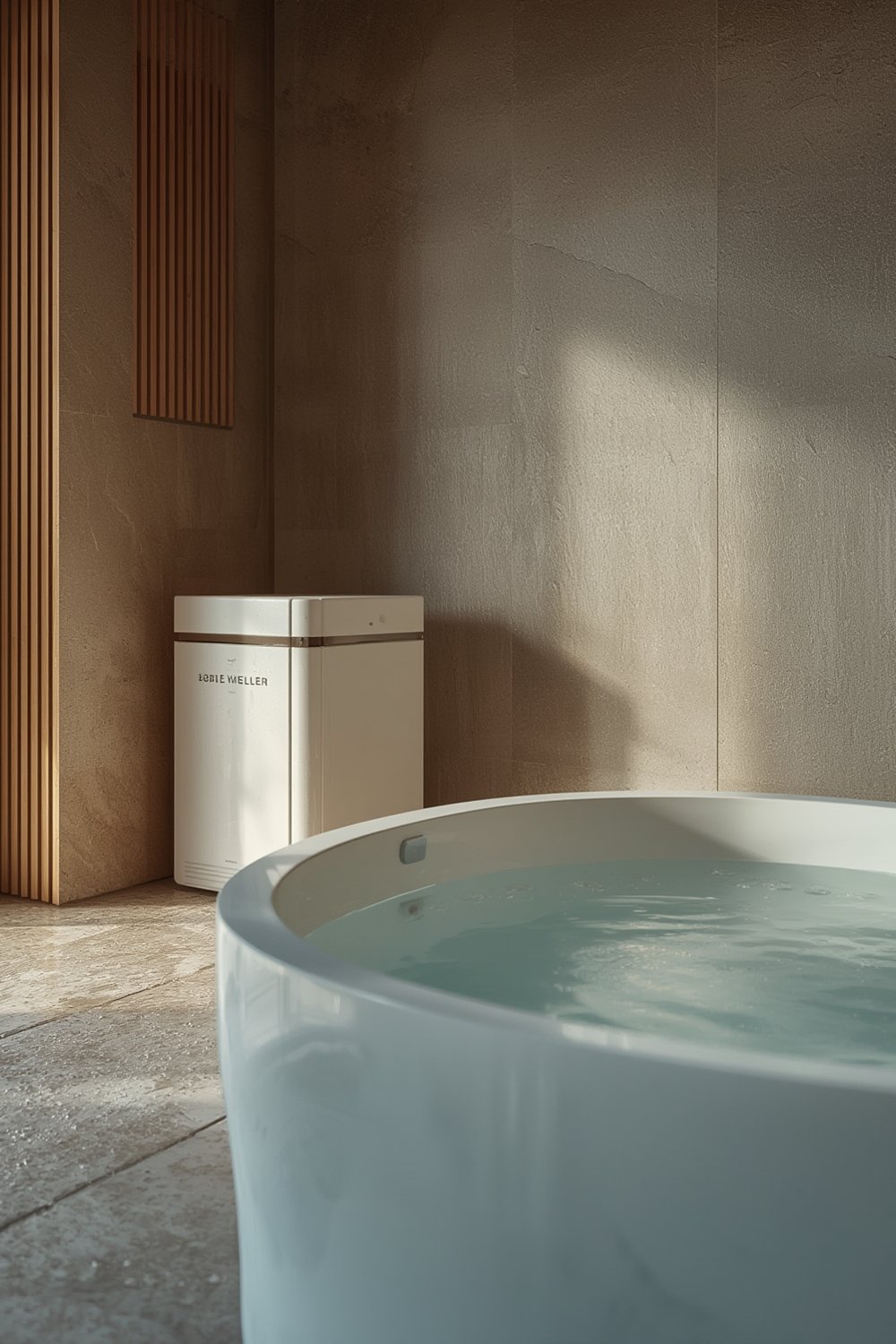
For beginners, this means you can leverage a home ice bath chiller for regular, controlled recovery in your own space, but should do so with realistic goals, careful setup, and an understanding of the true pros and cons.
Step-by-Step Home Use Guide
To safely begin a post-workout ice bath routine at home, follow these foundational steps:
- Preparation:
- Check Setup: Place your chiller on a flat, non-slippery surface in a well-ventilated area. Ensure all plugs are dry and connected to a GFCI-protected outlet to reduce electrical risk.
- Fill & Treat Water: Use clean, filtered water. When recommended, add a small dose of chlorine or bromine per manufacturer instructions to maintain sanitation.
- Lay down a rubber mat or non-slip rug near the tub for safe entry and exit.
- Temperature:
Set your chiller to a range between 50°F and 59°F (10°C to 15°C). Beginners should start at the higher end, lowering only as you adapt. See details in the ice bath temperature guide. - Duration:
Limit each session to 3 to 8 minutes at first. Studies suggest that benefit plateaus beyond 10 minutes, and overexposure can be uncomfortable or slow progress. Start with shorter sessions and gradually increase if comfortable. Consult how long should you stay in ice bath for more timing tips. - Frequency:
2 to 3 times per week is ideal for most beginners. Too frequent use may reduce longer-term muscle adaptation. Adjust based on how your body feels and aim for consistency. For detailed routines, see ice bath frequency guide. - Safety:
- Never plunge alone if you have health concerns or cardiovascular risks.
- Monitor for shivering, dizziness, or numbness; exit immediately if these occur.
- Basic Cleaning:
- After each session, skim debris from water and wipe surfaces as recommended.
- Disinfect the bath weekly using non-abrasive cleaner.
- Test water quality (chlorine or bromine if used) before every session.
- Replace water every 1 to 4 weeks, depending on bather load and water clarity. For more, see ice bath water maintenance.
Beginner takeaway: Focus on safe, controlled sessions and gradual adaptation. The key to effective recovery is not how cold or long you plunge, but keeping your routine consistent, gentle, and easy to maintain at home.
Advanced Analysis & Common Pitfalls
While a post-workout ice bath routine at home is appealing, real-world experience shows some clear limitations—especially for beginners aiming for muscle gains or sustainable routines:
- Recovery Benefits: Short-Term vs Long-Term
Research consistently finds that ice baths can reduce muscle soreness after hard exercise but may also limit muscle growth if used too often, especially right after workouts. Evidence from peer-reviewed sources suggests that cold water immersion may slow the body’s natural inflammatory repair and adaptation—key for muscle development in beginners. Contrast or hot therapies may sometimes offer better long-term results. For further reading, review these studies: - Noise, Energy Use, and Space:
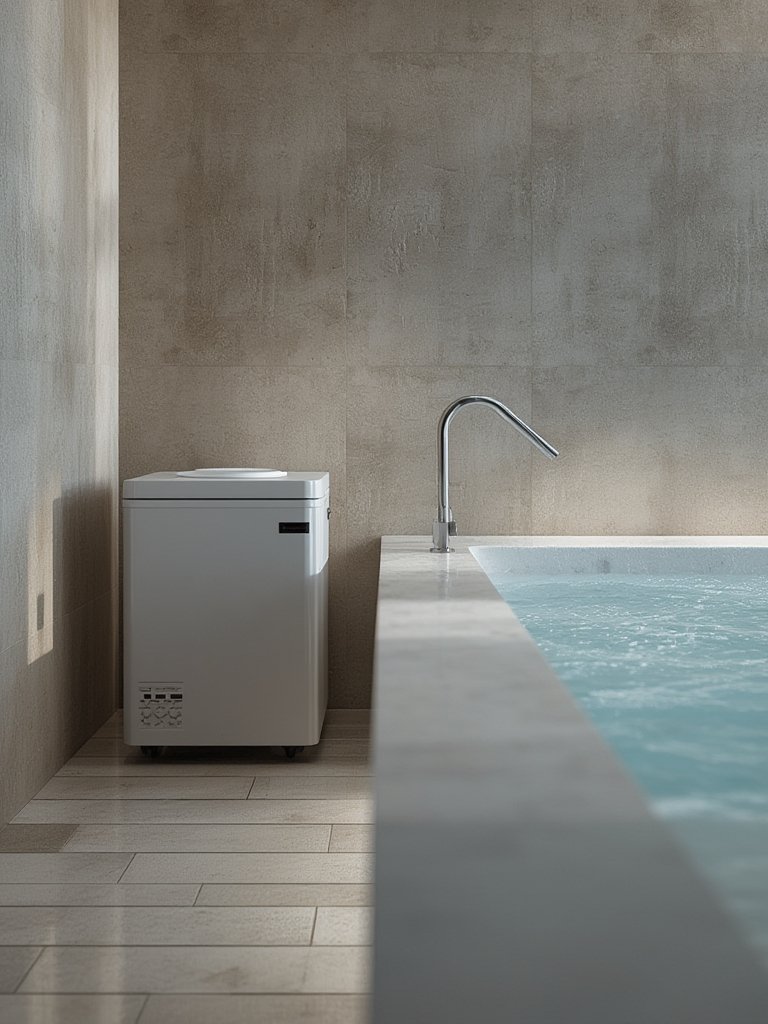
While chillers are quieter and more efficient than most portable AC units, they do emit a hum during operation. Energy consumption varies (commonly 200 to 600 watts), so monitor your utility bills if used daily. Setups require permanent space—at least a small tub (under 60 inches) plus clear airflow around the chiller for safe operation. - Maintenance and Cleaning:
No recent user reports or surveys detail common cleaning or maintenance challenges, but most home ice bath chiller owners need to wipe down surfaces, change and treat water, and clean filters regularly. Skipping this leads to water cloudiness, odors, or machine problems. - Consistent Use and Abandonment:
There is no research on why beginners stop, but anecdotal evidence suggests discomfort, underestimating maintenance, or waning motivation as common factors. Starting gently and linking the routine to other habits may help you persist.
| Factor | Ice Bath Chiller | Manual Ice Method |
|---|---|---|
| Water Temperature | Stable, settable (most models within 50–59°F) | Starts cold, rapidly warms; hard to control |
| Convenience | High after initial setup | Low; daily ice runs required |
| Cleaning | Needs regular filter care, water checks | Simple scrub, frequent refilling |
| Noise Level | Low to moderate hum during chilling | Silent |
| Upfront Cost | Higher ($600-$3000+) | Low (tub and ice only) |
| Ongoing Cost | Modest power and water chemicals | Constant ice expense |
| Soreness Relief | Short-term improvement for most users | Same, but less convenient to repeat |
| Long-Term Muscle Gains | Possible reduction if overused post-workout | Similar limitation |
If your priority is short-term comfort and premium convenience, a chiller system offers real advantages. However, expect to invest time and care in setup, cleaning, and habit-building for consistent results. This routine works best for those ready to maintain both the equipment and their motivation over time. See ice bath mistakes to avoid and explore how portable options compare in portable ice bath setup if space or noise is a concern.
Conclusion
Building a reliable post-workout ice bath routine at home delivers measurable control, premium convenience, and soothing short-term recovery for many. The best outcomes come from careful setup, honest expectations, and a moderate approach—especially for beginners still building muscle. While ice bath chillers simplify consistency, there is a tradeoff in time, cost, and required maintenance. Peer-reviewed research continues to refine our understanding, suggesting the most important feature is how you structure your own routine around your goals and lifestyle. Always use your post-workout ice bath routine to complement, not replace, other healthy habits—compare options, reflect on your commitment, and research further to make the safest, best choice for your home recovery setup.
FAQ
Are ice bath chillers safe for beginners at home?
Most home ice bath chillers are safe for healthy adults when used as directed and supervised, with proper electrical precautions, temperature limits, and keeping sessions brief during adaptation. Those with circulation or heart conditions should consult a clinician before use.
What is the safest water temperature for a home post-workout ice bath?
Research supports a starting temperature between 50°F and 59°F (10°C to 15°C). Beginners should use the higher end until acclimated. Avoid temperatures below 50°F without experience and supervision.
How often can I use my ice bath chiller in a recovery routine?
For most beginners, 2 to 3 sessions per week is recommended to balance relief with muscle recovery. Overuse may limit training gains, so listen to your body and adapt based on overall soreness and comfort.
How do I keep my ice bath water clean and safe?
Routinely skim debris, wipe surfaces, check and treat water chemistry if needed, clean or replace filters, and change water every 1 to 4 weeks based on usage. A regular cleaning schedule ensures hygiene and extends chiller lifespan.
Who should avoid using a home ice bath chiller?
Anyone with cardiovascular disease, uncontrolled blood pressure, nerve conditions, or sensitivity to cold should avoid unsupervised cold plunge. When in doubt, consult with your healthcare provider before starting new recovery routines.