

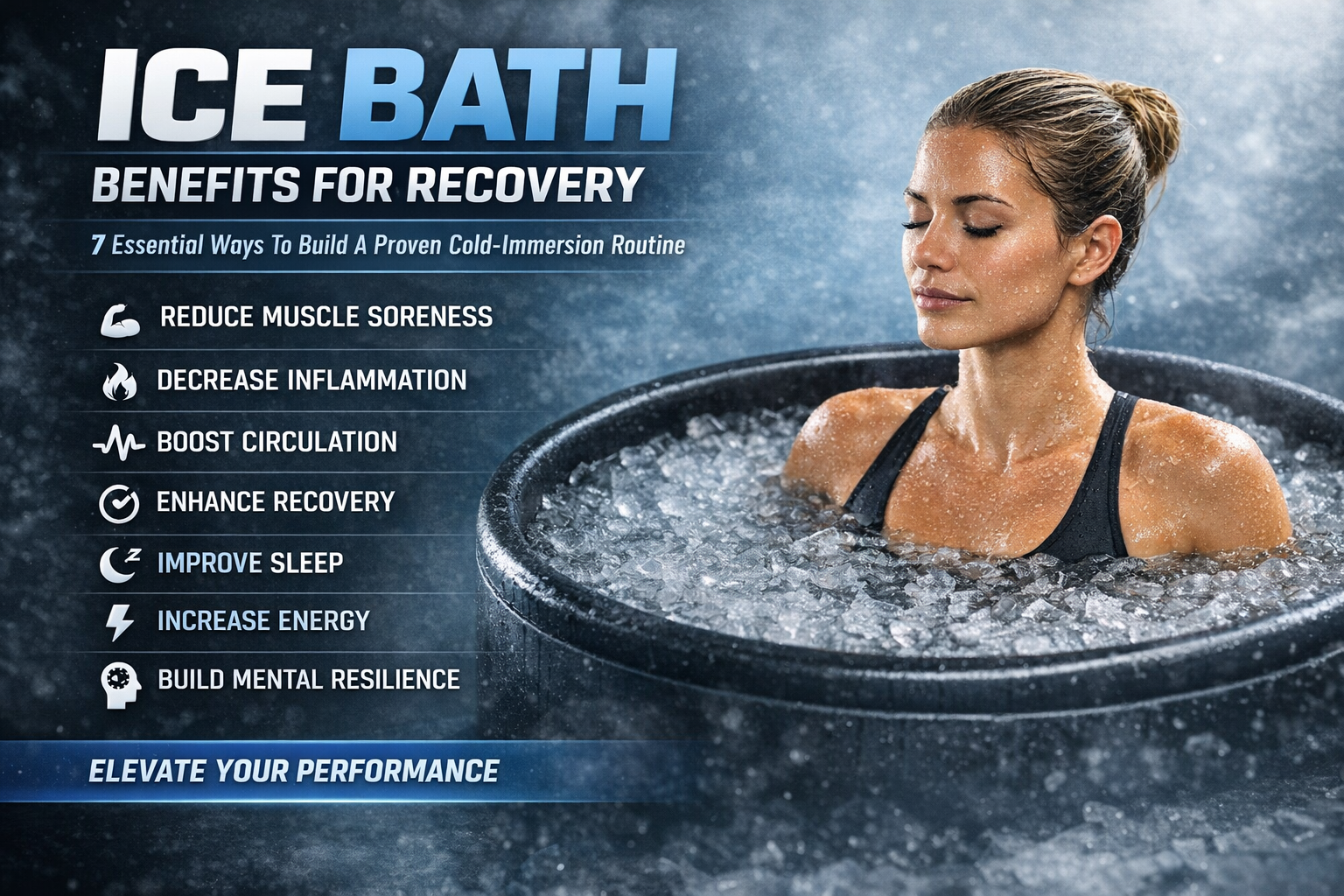
Ice bath benefits for recovery have become a popular topic among wellness enthusiasts seeking practical solutions for muscle relief at home. For those considering a premium home ice bath chiller system, understanding what actually works, how to use these tools consistently, and what realistic results to expect is essential for building a safe and sustainable recovery routine.
Key Takeaways
- Consumer-grade ice bath chillers help maintain precise cold temperatures for consistent recovery experiences compared to manual ice methods.
- Most beginners should understand that safe, effective cold immersion means shorter sessions (10–15 minutes) at 5–15°C, not extreme durations or temperatures.
- Results are best when use is steady and cleaning is regular—one-off plunges rarely provide lasting benefits, and maintenance is part of owning a chiller.
- The Core Concept: What Are Ice Bath Benefits for Recovery?
- Step-by-Step Home Use Guide for Ice Bath Chillers
- Advanced Analysis & Common Pitfalls
- Conclusion
- FAQ
The Core Concept: What Are Ice Bath Benefits for Recovery?
Ice baths—also called cold water immersion (CWI)—have long been used in sports and wellness routines, with advocates claiming faster muscle recovery and reduced soreness after workouts. But what does science really say, especially for home users with premium ice bath chillers?
Recent research, including systematic reviews of randomized controlled trials, shows that cold water immersion at 5–15°C for 10–15 minutes can reduce delayed-onset muscle soreness (DOMS) and lower some muscle damage markers (like creatine kinase, CK) after intense or eccentric exercise. However, benefits are mostly short-term, with no strong evidence for major inflammation reduction or long-term gains in endurance or muscle growth. Effects seem most noticeable for how sore or “ready” you feel—less so for actual performance metrics. The media may overstate the results, as controlled research finds only moderate and context-specific benefits.
Home ice bath chillers provide a unique upgrade over filling a tub with bags of ice. Unlike manual ice baths—which often struggle to reach or hold target temperatures—premium chillers keep water consistently cold, allow for session timing, and reduce the mess or unpredictability of traditional setups. This results in safer and more repeatable routines, especially important for those just starting or using ice baths alone.
For beginners, this means that a premium ice bath chiller provides a more reliable path to short-term muscle comfort when used properly, but is not a magic fix for all recovery needs. Realistic expectations and safe practice are essential.
Step-by-Step Home Use Guide for Ice Bath Chillers
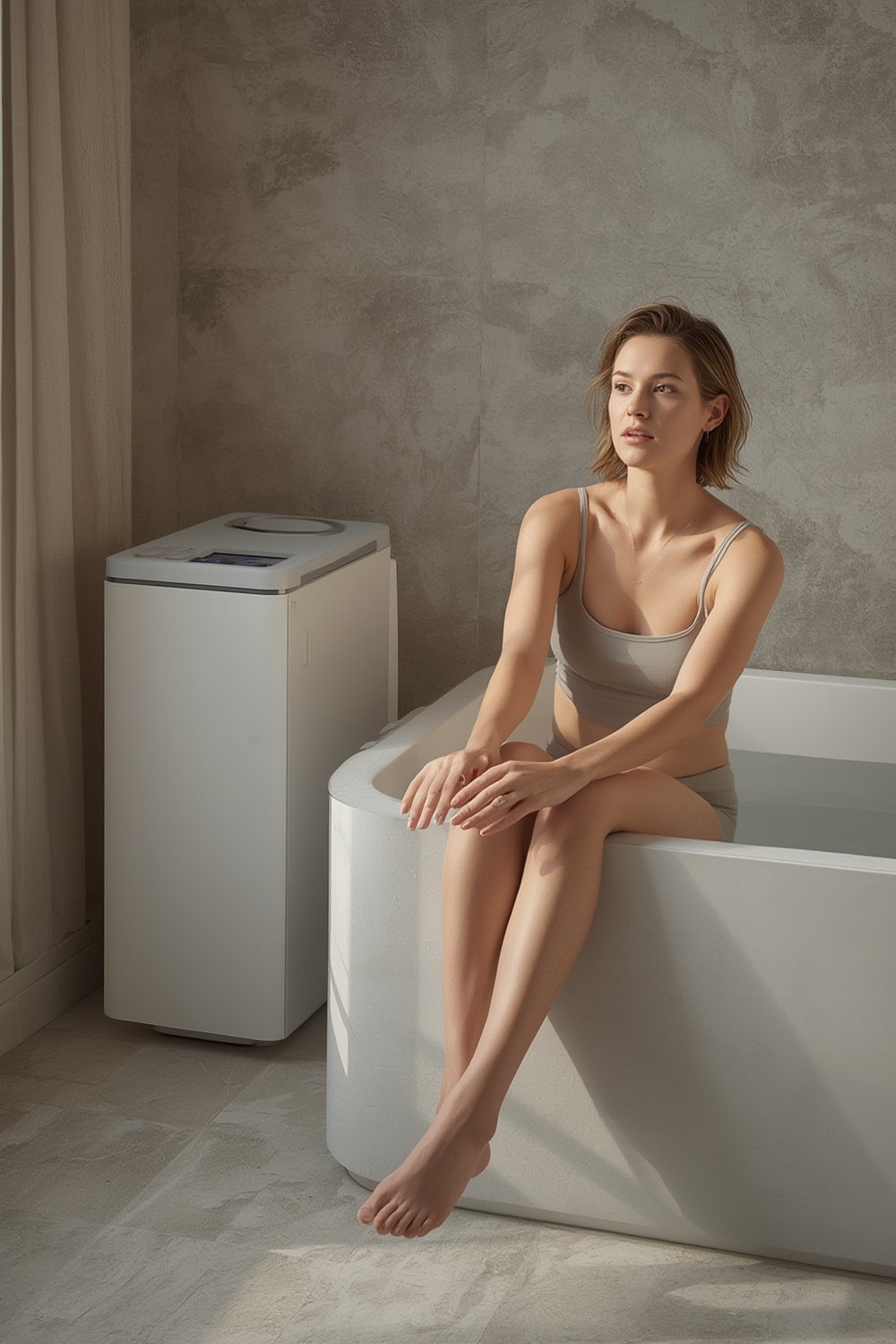
Setting up and using a Home Chiller System safely is straightforward with a few simple routines. Below is a step-by-step approach for reliable, effective results, based on what is supported in research and best practices:
1. Preparation & Setup
- Choose a suitable location with good ventilation and safe drainage, ideally away from humidity-sensitive surfaces.
- Ensure your chiller is plugged into a properly grounded outlet in a dry area.
- Fill the tub with clean, cool water according to the manufacturer’s guidance.
2. Setting Temperature
- Set your chiller to the recommended range of 5°C to 15°C (41°F to 59°F), with most users starting closer to 10–15°C for comfort.
3. Timing Each Session
- Begin with 5 to 8 minutes for your first sessions. Experienced users may work up to 10–15 minutes as tolerated.
- Use a timer and do not exceed 15 minutes in the water, as longer durations do not provide extra benefit and can be unsafe.
4. Frequency
- 2–4 sessions per week is typical. More frequent use may not increase benefits and could interfere with muscle growth if overused around strength training days (see Are Ice Baths Good After Workouts?).
5. Post-Session Care
- Warm up gently after exiting—do not use hot showers immediately as this can stress your system.
- Stay alert for any numbness, persistent shivering, or dizziness. If these occur, end sessions early and consult a health professional before resuming.
6. Cleaning & Maintenance
- Change the water at least once a week or as recommended by your manufacturer.
- Wipe down the tub, especially around the waterline, with non-abrasive cleaners to prevent film or mold.
- Run the chiller’s built-in filtration/UV system if equipped. Check and clean any filters according to the manual.
Consistency and sensible limits—not extreme cold or marathon sessions—builds the greatest value from home ice bath chillers. Always listen to your body and prioritize safety.
💡 Pro Tip: Start with higher water temperatures and shorter sessions, especially if you are sensitive to cold, then decrease temperature gradually as your comfort and confidence grow. Wearing a light beanie or keeping hands out of the water the first few times can decrease cold shock and help you establish a consistent routine.🔥 Hacks & Tricks: Prepare your recovery station in advance: place towels, slip-proof mats, and warming layers next to your ice bath. A small waterproof Bluetooth speaker with calming music or guided breathwork can help you stay focused and reduce “cold panic,” making repeat use much easier.
Advanced Analysis & Common Pitfalls
Home ice bath chillers offer measurable convenience, but beginners can face several realistic hurdles—maintenance, power use, ambient humidity, and the psychological challenge of sticking with the habit. Research data underscores the importance of understanding these limitations:
- Noise & Energy Use: Chillers vary, but most emit a constant hum and draw significant power while operating. Positioning in a dedicated space (like a utility room or ventilated garage) minimizes disruption (see Best Home Ice Bath Chiller).
- Cleaning Frequency: Unlike single-use ice baths, chillers require weekly cleaning and occasional filter maintenance to prevent buildup of film or bacteria. Skipping these steps leads to odors and unsanitary water.
- Humidity & Ventilation: Prolonged use in a closed room may increase humidity and risk of mold. Use exhaust fans or open windows as needed, and monitor for condensation.
- Space Commitment: Ice bath chillers are large and need dedicated, water-safe space for safe installation and use. Measure carefully before purchasing.
- Psychological Barriers: Some beginners discover that initial novelty fades, and cold exposure remains challenging even after several sessions. Building a regular, enjoyable ritual is key to consistency.
- Lack of Universal Results: The physiological benefits vary; while muscle soreness relief and “freshness” may be noticed, performance or inflammation improvements are inconsistent and mostly short-lived.
| Aspect | Manual Ice Bath | Home Chiller System |
|---|---|---|
| Temperature Control | Unpredictable, may warm up quickly | Consistent, precise (5–15°C) |
| Setup & Convenience | Labour-intensive (ice bags, tub draining) | Plug-and-play after initial install |
| Ongoing Maintenance | Minimal but unhygienic if reused water | Requires regular cleaning, filter upkeep |
| Operating Costs | Low per session, but ice cost adds up | Electricity and minor parts over time |
| Space Needs | Temporary, can use existing bathtub | Permanent footprint, needs safe flooring |
Bottom line: Home ice bath chillers are a premium but practical upgrade if you have appropriate space, patience for upkeep, and realistic expectations about results. For those seeking daily or targeted recovery relief, these systems offer unmatched ease—just remember the habit is only as good as the maintenance and moderation behind it.
Conclusion
Home ice bath chillers offer clear advantages for safe, consistent cold water recovery—but realistic practice and regular upkeep matter more than any headline. The science behind ice bath benefits for recovery supports short-term relief from muscle soreness and fatigue after intense activity, especially when following recommended protocols. Individual results vary, and no system is a substitute for rest, balanced training, and professional care when needed. Compare carefully, reflect on your space and lifestyle, and consider consulting additional trusted research before investing.
FAQ
Are home ice bath chillers safe for beginners?
Yes, when used as directed: start with higher temperatures, keep sessions short (5–15 minutes), avoid extreme cold, and monitor for any discomfort or numbness.
What is the ideal temperature and session length for recovery?
For most, 10–15°C (50–59°F) for 10–15 minutes per session strikes a safe and effective balance for muscle recovery benefits.
How often should I clean my home ice bath chiller?
Clean and change the water at least weekly, and follow the manufacturer’s recommendations for filter and UV system maintenance to keep water sanitary.
Do ice bath chillers help with injury recovery or inflammation?
They may reduce muscle soreness and some minor muscle damage markers, but benefits for deeper or chronic inflammation and injury healing are limited and inconsistent.
Who should avoid using home ice bath chillers?
Anyone with circulation issues, heart conditions, or sensitivity to cold should consult a healthcare professional before starting ice bath routines at home.