

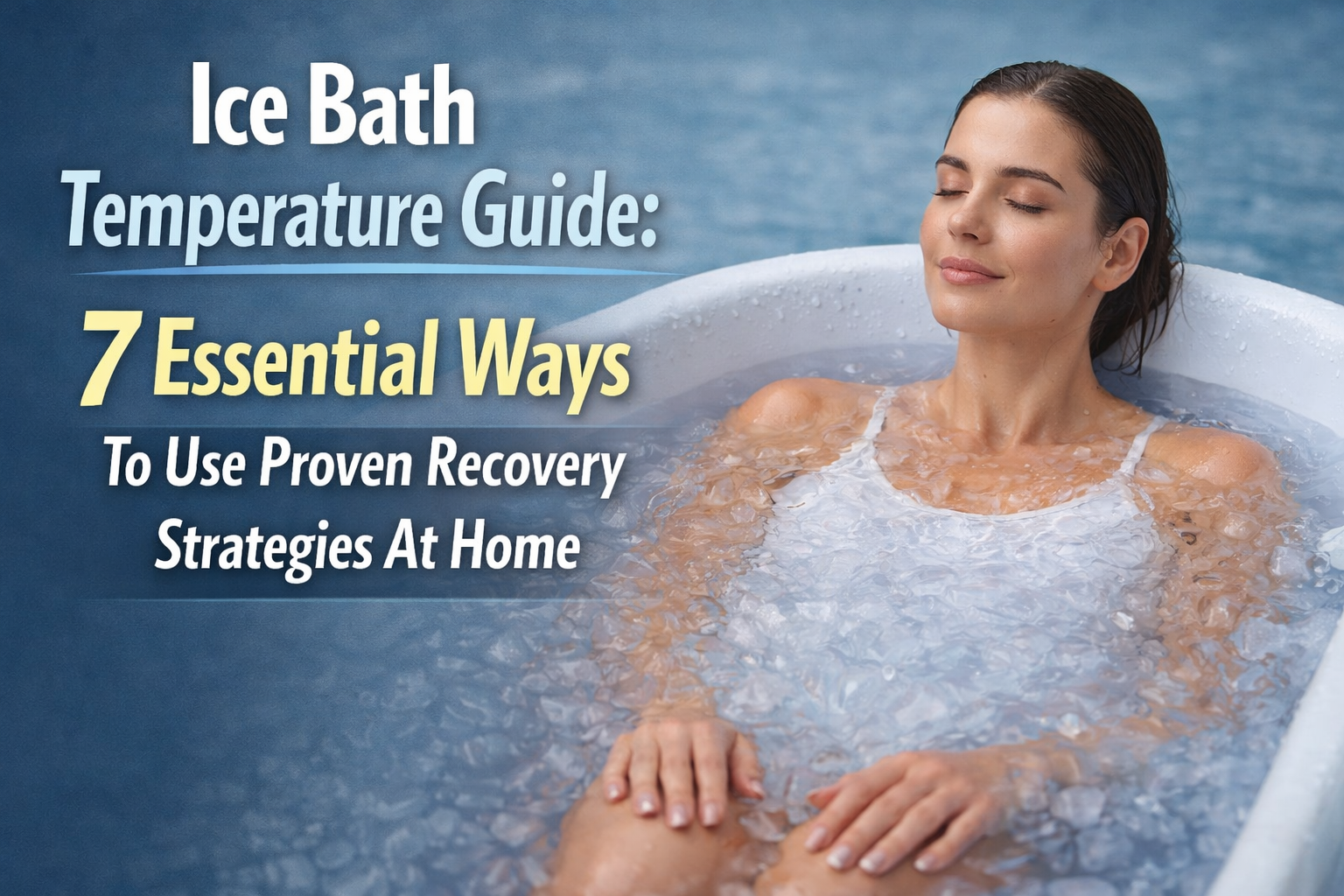
Ice bath temperature guide is a crucial resource for anyone serious about at-home wellness and recovery using a home ice bath chiller. Understanding the correct temperature range and session protocols is essential for safely experiencing the reputed benefits of ice baths—whether you’re seeking quicker muscle recovery, mental resilience, or simply a restorative wellness habit—without unnecessary risk or discomfort. Unlike improvised tubs stuffed with loose ice, dedicated home ice bath chillers offer precise control and repeatable results, but they demand informed use and realistic expectations for safe, sustainable progress.
Key Takeaways
- Modern home ice bath chillers maintain consistent cold temperatures for reliable therapy, which is nearly impossible with manual ice.
- Beginners must start at warmer settings and shorter sessions to safely adapt and build tolerance over weeks, not days.
- Results require consistency and care—occasional use is less effective, and every chiller requires regular cleaning to stay fresh and safe.
The Core Concept
The ice bath temperature guide refers to evidence-based recommendations for water temperature and session duration when using a premium chiller system. The aim is to optimize muscle recovery and mental resilience while minimizing risks like excessive cold shock, numbness, or even hypothermia. For most healthy adults, a safe and effective ice bath temperature range is between 50–59°F (10–15°C), according to leading wellness sources
(SweatHouz,
The Pod Company).
Home ice bath chillers differ from traditional ice baths by offering precise digital controls, filtration, and continuous cooling—not just melting cubes and guesswork. This difference makes regular routines easier, reduces the frustration of frequent ice runs, and enhances both safety and comfort.
Beginners benefit from chillers with digital settings that allow them to start higher (for example, 12–15°C/54–59°F), then progress gradually downward as tolerance allows (Urban Ice Tribe).
The right approach is more about steady adaptation than bravado. Focusing on comfort and breath control—rather than how cold you can stand—is key for long-term adherence.
In summary: using a chiller with an ice bath temperature guide means safer, more effective, and more sustainable cold immersion at home, especially for those without prior experience.
Step-by-Step Home Use Guide
To use a home ice bath chiller safely and effectively, follow these steps. This process supports the benefits of cold therapy without exposing yourself to unnecessary shock or risk. Every step should be adjusted for your health conditions, comfort, and the advice of a qualified wellness professional if needed.
1. Preparation
- Choose a clean, stable, and well-ventilated location for your chiller unit. Ensure the power supply meets manufacturer requirements.
- Set water cleanliness using built-in filters or by following your unit’s cleaning protocol.
- Have warm towels and a safe exit area ready before your session.
2. Setting the Temperature
- For beginners: set the chiller water to 12–15°C (54–59°F). This range reduces cold shock.
- For intermediate users or post-exercise: lower water gradually toward 10–12°C (50–54°F) only as tolerated.
- Never attempt immersion below 10°C (50°F) until you have months of consistent experience and no circulation risks.
3. Determining Session Duration
| Water Temperature | Recommended Duration |
|---|---|
| 12–15°C (54–59°F) | 5–8 minutes |
| 10–12°C (50–54°F) | 3–5 minutes |
| 7–10°C (45–50°F) | 2–3 minutes |
| 4–7°C (39–45°F) | 1–2 minutes |
| Below 4°C (39°F) | Not recommended for beginners |
- Start with 2–3 minutes for first sessions, even if the chiller is set higher in the recommended range.
- Listen to your body: exit immediately if you feel excessive shivering, numbness, tight chest, or dizziness. See full list of red flags here.
4. Frequency Protocol
- Start with 2–3 sessions each week, never more than once per day until fully adapted.
- Track response (mood, energy, sleep, soreness) for at least an hour after each session before increasing frequency or lowering temperature.
5. Basic Cleaning Habits
- Filter or change water as directed by your chiller’s manual—sometimes weekly, sometimes monthly, depending on bather load and model.
- Wipe surfaces with mild non-toxic cleaner after use, and keep water covered between sessions.
- Never skip routine cleaning—dirty water increases skin irritation risk and reduces enjoyment.
Staying in the safe temperature range and monitoring your response is more important than intensity. Consistency brings gradual results; rushing leads to early drop-off or unnecessary discomfort.
Advanced Analysis & Common Pitfalls
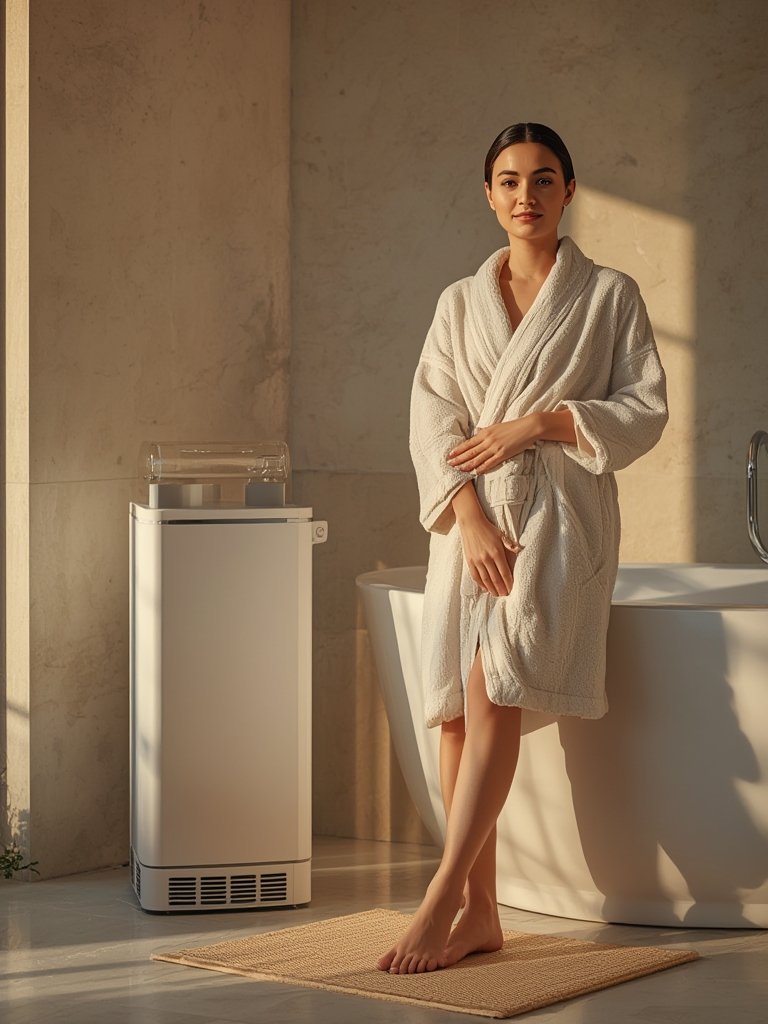
While home ice bath chillers make the process more sustainable and precise, they come with real-world limitations that often surprise new users. The following pitfalls are common among beginners, especially those upgrading from basic tubs or sharing equipment in multi-user households.
Common Drawbacks & Considerations
- Energy Use: Chillers use electricity to keep the water cold; costs vary by chiller size, frequency of use, and room temperature. Efficiency can be a deciding factor for frequent users.
- Noise: Compressor models may hum or buzz during operation. Check decibel levels if you’ll be bathing near living spaces or bedrooms.
- Space: Units require dedicated floorspace—often 4–8 feet square, plus safe clearance for entry and exit. Size up your available area before purchasing.
- Cleaning Frequency: Cold water slows, but does not prevent, bacterial buildup—especially with skin oils and sweat. Most units require weekly or monthly filter and water change, depending on bather load and local water conditions. Failure to clean spoils the experience and raises risk of skin irritation.
- Adherence: The novelty fades quickly; users who overdo their first sessions often abandon the routine due to discomfort or logistics. Starting slowly and tracking progress makes it easier to maintain over months.
| Chiller Advantage | Manual Ice Bath | Home Chiller System |
|---|---|---|
| Temperature Control | Highly variable; cools unevenly | Precise digital adjustment |
| Convenience | Requires frequent ice runs | Always ready with set temperature |
| Running Cost | High ice cost, less energy used | Moderate electricity cost, minimal ice |
| Maintenance | Drain, refill, scrub frequently | Regular filters, less manual draining |
| Safety | Easily overshoots safe cold threshold | Maintains safe preset range |
If you live in a small apartment, have strict power use limits, or dislike any routine maintenance, consider these factors before investing in a premium chiller. For many, the consistency and cleanliness far outweigh setup and upkeep—but only if you’re genuinely committed to regular use.
For an overview of different chiller types and detailed feature comparison, see our home ice bath chiller reviews or check our are at-home ice baths worth it guide.
Conclusion
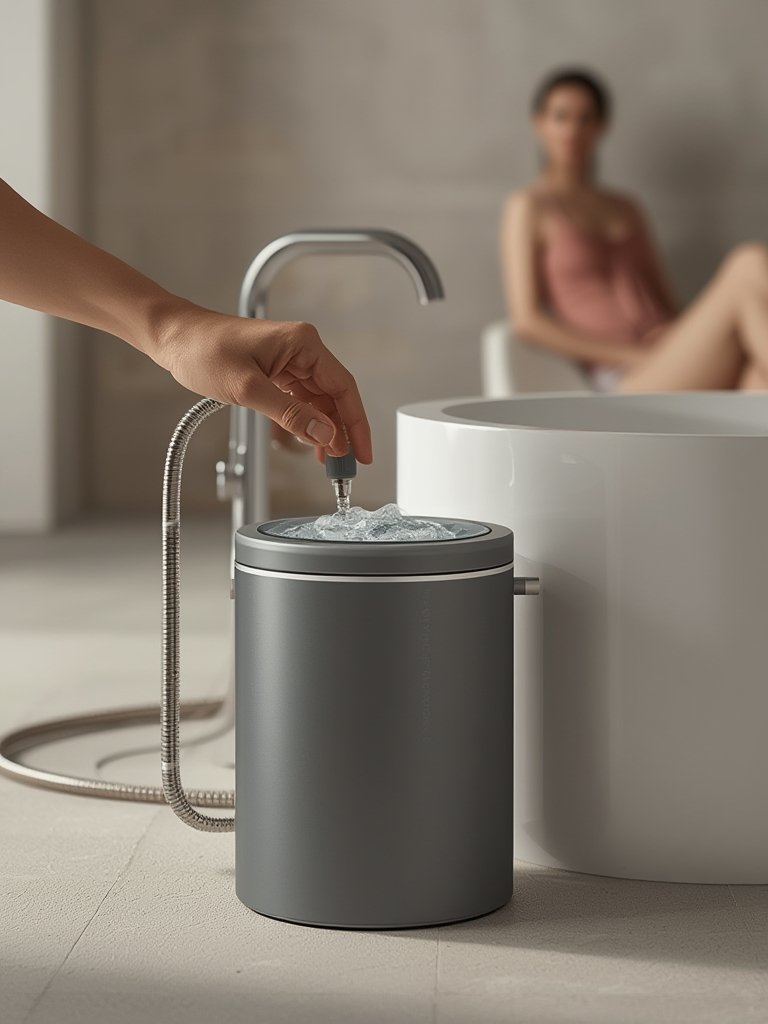
A well-structured ice bath temperature guide helps you unlock the benefits of home cold immersion while minimizing typical risks and frustrations. Starting at the right temperature, keeping sessions short, and using a chiller with precise controls will help you progress safely and make this wellness practice a regular (and enjoyable) part of your routine. If you’re considering buying a chiller, compare models based on your real needs—space, cleaning habits, and lifestyle—not just specs. For more honest guidance on maintenance and safety, explore our chiller cleaning and maintenance tips before buying.
Reflect on your own wellness goals and start with informed, realistic expectations. Premium results require premium habits—never just a premium machine.
FAQ Section
What is the safest temperature for a home ice bath?
Most experts recommend keeping water between 50–59°F (10–15°C) for safe and effective sessions. Beginners are safest starting at the warmer end of this range.
How long should I stay in a home ice bath?
Begin with 2–3 minutes and never exceed 8 minutes, regardless of experience. Always exit sooner if you feel excessive shivering, numbness, or discomfort.
How often should I use my ice bath chiller?
Starting with 2–3 times weekly is recommended. Increase frequency gradually only after seeing how your body responds and you’ve adjusted to the cold.
How do I keep my ice bath chiller clean?
Follow the cleaning schedule in your chiller’s manual. Most units need weekly or monthly filter changes, water replacement, and quick post-session surface wipes.
Who should avoid home ice baths or check with their doctor?
Anyone with heart, circulation, or nerve conditions—or those who are pregnant—should consult a healthcare provider before starting ice bath routines at home.