

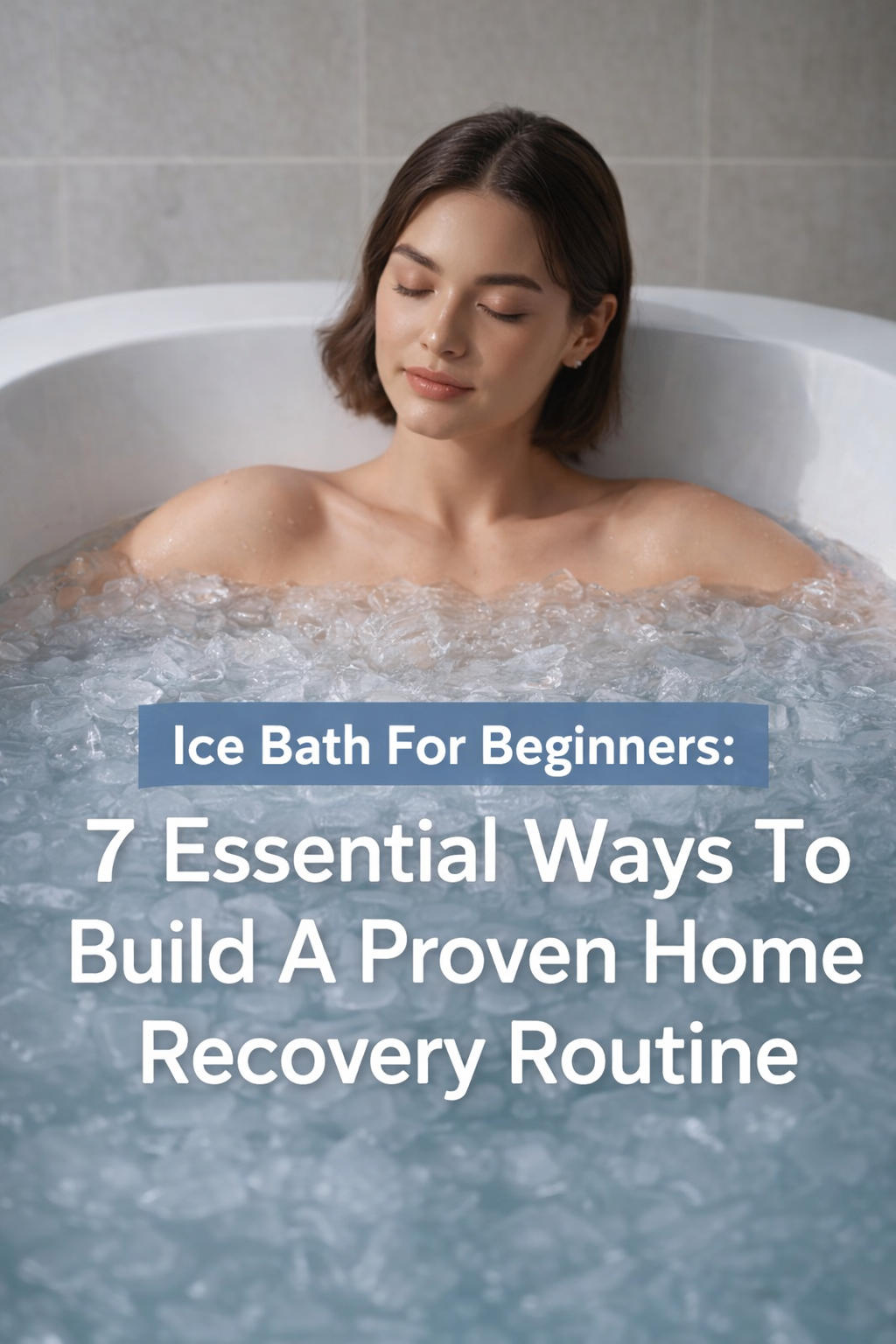
Ice bath for beginners is a growing trend in premium home wellness, offering a colder, more consistent approach to recovery and stress relief than traditional DIY ice baths. For anyone exploring home ice bath chillers at home, understanding actual benefits, practical limitations, and honest best practices is essential for both safety and sustainable results.
Key Takeaways
- Most home ice bath chillers deliver steady temperatures and easier control, but still require regular cleaning and power.
- Beginners need to understand that cold exposure sessions should start gently, with safety and gradual adaptation as priorities.
- Long-term results depend more on consistent, moderate use and maintenance than on pushing for the coldest setting or longest duration.
The Core Concept: What Is Ice Bath for Beginners?
Ice bath for beginners describes using controlled cold water immersion at home—for recovery, stress reduction, or well-being—through a chilled tub or dedicated ice bath chiller system instead of pouring bags of ice into a bathtub. The main appeal of a chiller-based system is simple: precise temperature adjustment, consistent results, and a more hygienic, repeatable experience.
Compared to tossing ice into a bath, home ice bath chillers use a refrigeration unit that cools water (often to 7°C–15°C) and circulates it, maintaining the set temperature for each session. This adds convenience and control but also means budgeting for installation, cleaning, space, and electricity.
Most beginners are drawn to ice baths for potential benefits like reduced muscle soreness, improved sleep quality, or a challenge for willpower. However, scientific reviews—like this 2024 systematic review—highlight that while stress reduction can occur about 12 hours after a session, short-term inflammation may actually increase, and claims about mood or immunity remain inconclusive. Marketing can sometimes outpace what controlled studies support.
For practical home use, home ice bath chillers offer a more reliable, efficient way to integrate cold exposure into a wellness routine, but realistic expectations and gradual adaptation are especially important for new users.
Summary for Beginners: Home ice bath chillers provide safer, cleaner, and easier cold exposure—but they require a learning curve and may not deliver instant recovery or immunity benefits. Start slow, stay consistent, and be aware of realistic outcomes.
Step-by-Step Home Use Guide: Safe and Realistic Ice Bathing
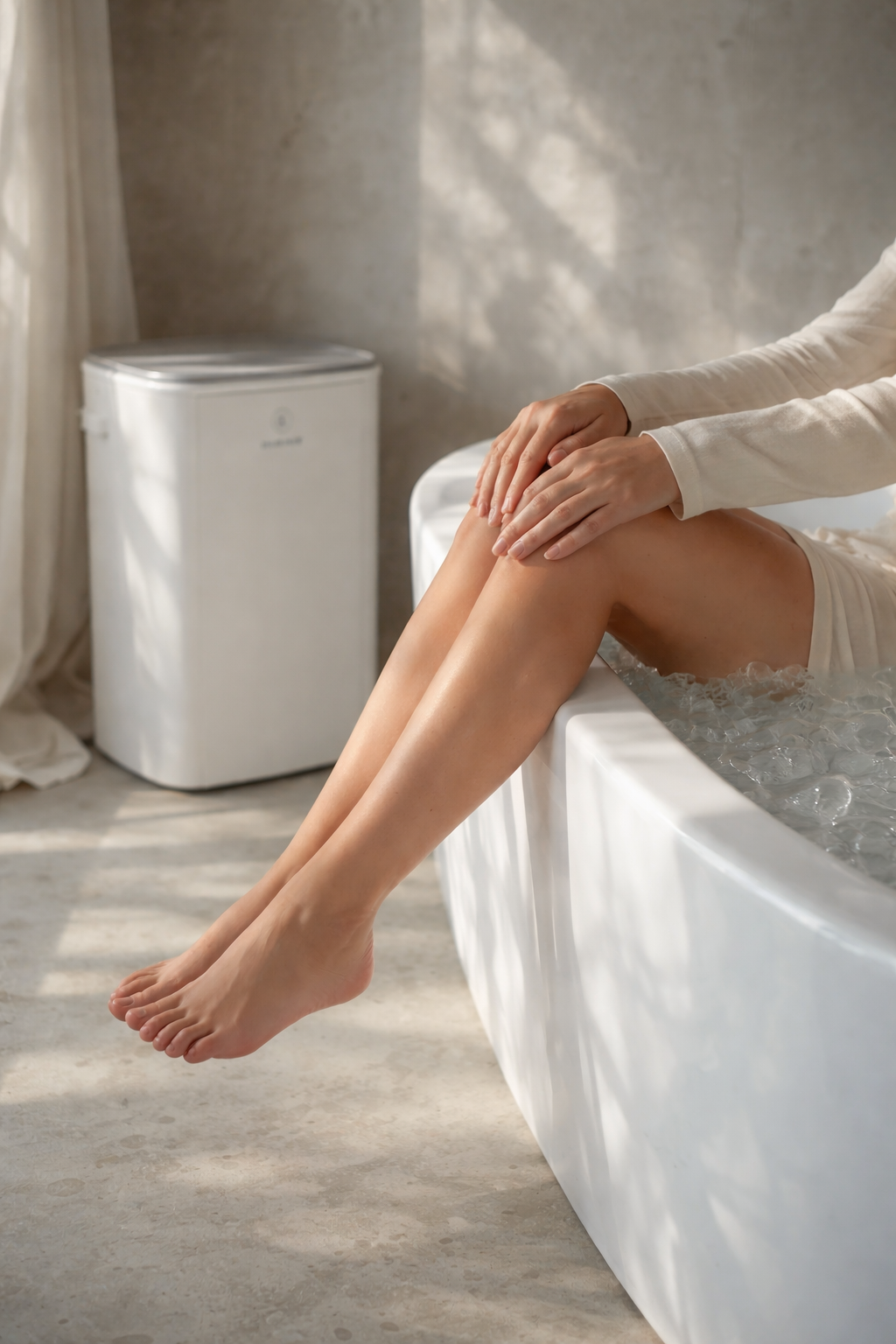
A home ice bath chiller can elevate your recovery and wellness practice—if you use it safely and consistently. Below is a beginner-friendly step-by-step approach, based on current best practices and the realities of home ownership.
- Preparation: Choose a well-ventilated, splash-resistant area near a power outlet. Clear all electrical cords from the floor. Keep towels and warm clothing within easy reach. Have a friend or family member nearby for your first sessions if possible (source).
- Temperature Setting: Start conservatively—set the chiller between 12°C and 15°C (53°F–59°F). Most evidence-based studies used water in this range, though some protocols go colder (meta-analysis). Lower temperatures increase discomfort and risk for beginners.
- Duration: Begin with short sessions—1 to 3 minutes in the water. Studies varied greatly, but there’s no agreed “minimum” time for results, and longer soaks can increase risk, not necessarily benefits. Monitor breathing and exit if you feel numbness, dizziness, or distress.
- Frequency: 2 to 3 times weekly is a safe starting point. Real evidence for ideal frequency is lacking (research). Benefits—such as stress reduction—are observed at 12 hours post-session, so immediate effects are not guaranteed.
- Cleaning: After each session, skim the water using a net. Change the water completely every 1–2 weeks, or as recommended by the manufacturer. Wipe the chiller and tub with a mild disinfectant and check for mold or odor buildup.
- Post-Session Recovery: Dry off thoroughly, put on warm layers, and hydrate. Avoid prolonged outdoor exposure in cold weather after a session. Monitor how you feel for several hours post-immersion.
Beginner Summary: Start each session with caution, shorter times, and higher temperatures. Prioritize clean water and safety checks over pushing intensity or duration, especially in your first month.
💡 Pro Tip: Keep a digital thermometer and set a timer for every session. This helps prevent overexposure, ensures consistent water temperature, and helps track your cold adaptation progress.🔥 Hacks & Tricks: Establish a ritual: pair your ice bath with a brief stretch or breathwork routine before and after. This improves body awareness and makes it easier to stick with regular practice—important for long-term results.
Advanced Analysis & Common Pitfalls: Real-World Considerations for Beginners
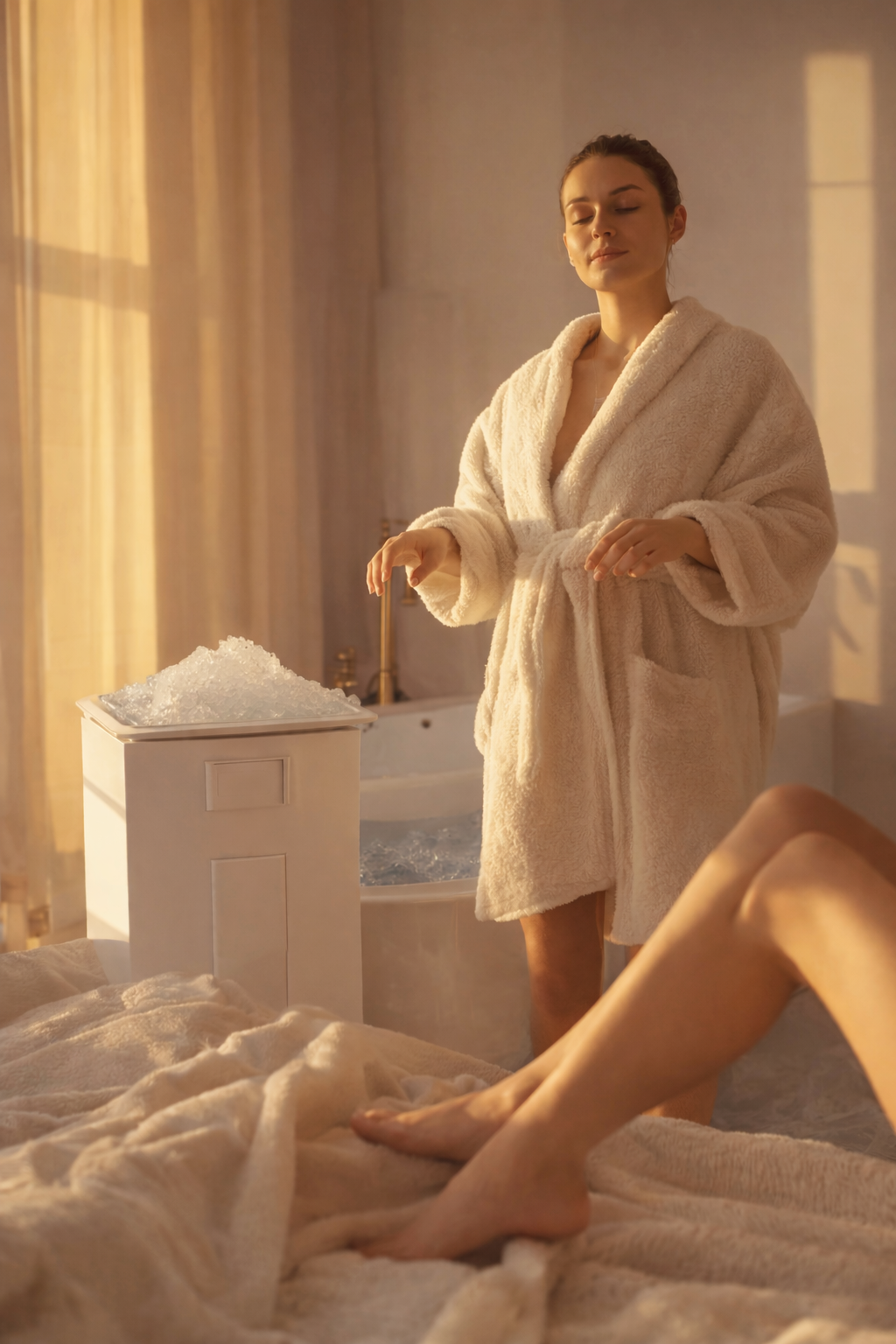
For all their convenience, home ice bath chillers are not effortless or maintenance-free. Beginners should be aware of challenges that aren’t always covered in marketing materials or quick-start videos.
- Equipment Noise and Energy Use: Ice bath chillers produce a consistent low hum during operation, similar to a mini-fridge or portable air conditioner. For some setups, this can be disruptive, especially in quiet or multipurpose rooms. Expect a modest increase in utility bills as well.
- Cleaning and Sanitation: Cold water slows, but does not prevent, bacteria and mold growth. Expect visible buildup (biofilm, grime) if proper filtering and chemical treatment are skipped. Missing routine cleaning can also lead to odor and machine breakdown.
- Space and Setup Needs: Dedicated space (often bathtub-plus size) and access to drainage are necessary. Units are heavy when full and can be difficult to move. Outdoor units are subject to additional weather and electrical risks.
- Beginner Abandonment: Long-term research on consumer use rates is lacking, but anecdotal reports and forums frequently mention underuse or abandonment after novelty fades—often due to cleaning hassles, water changes, or unrealistic expectations.
- Protocol Confusion: There’s no single “right” way to use an ice bath; study protocols differ widely. Overdoing frequency, temperature, or session time does not guarantee better results and may increase risk. Marketers often overstate rapid benefits.
| Feature/Challenge | Home Ice Bath Chiller | Manual DIY Ice Bath |
|---|---|---|
| Temperature Consistency | Temperature Consistency (set-and-forget) | Variable (depends on ice supply/ambient temp) |
| Setup & Cleaning | Requires routine maintenance, chemical treatment, and filter cleaning | Simple to set up but must be cleaned/drained after each session |
| Noise | Low to moderate (compressor sound) | Silent |
| Running Costs | Electricity + cleaning chemicals | Ice purchases (significant if multiple weekly sessions) |
| Abandonment/Dropoff | Unknown; cleaning and routine cited as barriers | High if buying and lugging ice is inconvenient |
Thinking through your space, cleaning schedule, tolerance for cold, and willingness to learn as you go will help you decide if a home ice bath chiller system fits your routine—or if a simpler method would be more sustainable. Set realistic goals, be patient with results, and remember that steady, moderate practice generally outweighs extremes.
For a broader perspective on setup options and safety, you may also find our resource on choosing a home ice bath chiller helpful.
Conclusion
Making an ice bath for beginners a part of your at-home wellness routine can provide structure, potential stress relief, and a personal challenge if approached thoughtfully. Ice bath chiller systems offer unique advantages—consistency, convenience, and cleanliness—but also bring real needs for space, attention, and ongoing care. Results will vary, and the most satisfying outcomes tend to come from regular, moderate practice rather than chasing extremes.
As with any wellness investment, compare models, reflect on your lifestyle, and consult independent ice bath chiller reviews and scientific evidence before purchasing. Always prioritize safety and sustainability over speed or intensity. For further reading, see the full 2024 CWI systematic review.
FAQ
What is a safe starting temperature for home ice baths?
For most beginners, 12°C to 15°C (53°F to 59°F) is a safe range. Setting the chiller colder increases discomfort and risk.
How long should a beginner stay in the ice bath?
Start with 1–3 minute sessions and gradually work up. There is no proven “best” session length; longer is not always better.
How often can I use a home ice bath chiller?
2–3 times per week is a practical starting point. No studies confirm an exact optimal frequency, so listen to your body.
How do I keep my ice bath chiller hygienic?
Change water every 1–2 weeks and clean the tub and chiller with mild disinfectant. Use the built-in filter and follow the manufacturer’s guidelines to prevent mold and bacteria growth.
Who should avoid at-home ice baths?
Individuals with heart conditions, poor circulation, or cold sensitivity should consult a healthcare provider before starting. Children and frail adults should avoid cold water immersion without direct supervision.