

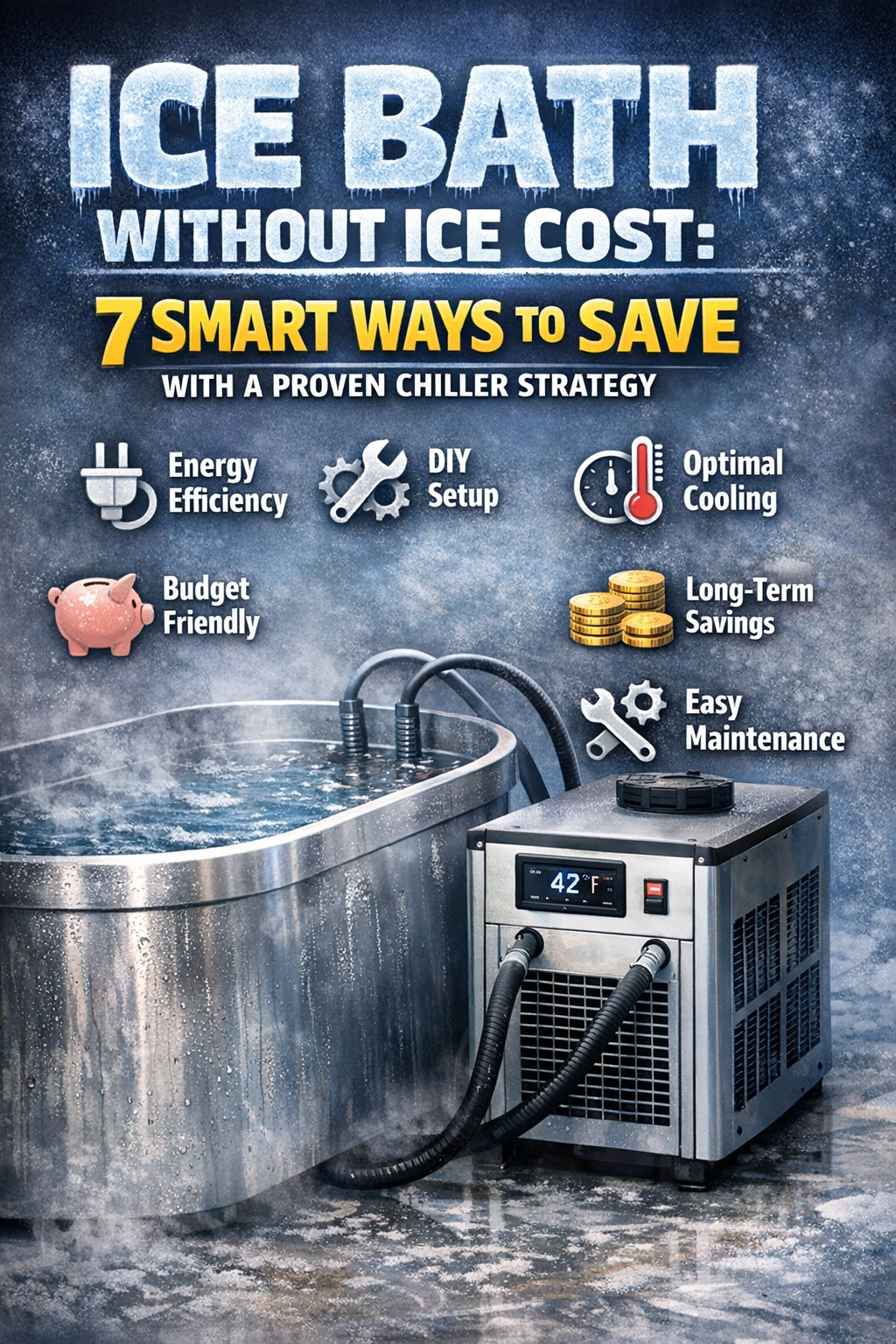
Ice bath without ice cost is a crucial question for anyone considering a premium home recovery routine. Whether you’re optimizing wellness at home or exploring advanced cold immersion for the first time, understanding the true financial and practical differences between ice chillers and buying bags of ice is essential for smart, sustainable decisions.
Key Takeaways
- One clear insight about how home ice bath chillers work in real-world conditions.
- One important consideration beginners should understand before choosing or using a chiller.
- One realistic expectation about results, consistency, or maintenance.
- The Core Concept: What Does ‘Ice Bath Without Ice Cost’ Really Mean?
- Step-by-Step Home Use Guide
- Advanced Analysis & Common Pitfalls
- Conclusion
- FAQ
The Core Concept: What Does ‘Ice Bath Without Ice Cost’ Really Mean?
When people ask about the ice bath without ice cost, they want to know if investing in a dedicated home chiller is worth it compared to simply dumping ice into a tub. This matters for home wellness because the costs and daily usability of your recovery routine depend on how you cool your water.
Traditional ice baths involve filling a tub and repeatedly buying or making ice. It’s simple at first, but for frequent users, ice costs quickly add up—sometimes to over $200 per month or more if you plunge daily. The water also gets warm much faster in warm weather or uninsulated tubs, making sessions less effective and adding to the cost and effort.
Home ice bath chillers change this by actively cooling your water to a precise target temperature—usually between 37°F and 50°F—without any added ice. Chillers use electricity and integrated filtration to maintain steady, cold water for days or even weeks with basic cleaning, but they come with their own upfront and ongoing costs.
For beginners, the biggest difference is that a chiller system replaces recurring trips for ice with ongoing electricity, filtration, and maintenance costs—and a higher upfront price. If you use your tub every day, a chiller can pay for itself in a year. For occasional users, ice may be less expensive over the first few years.
In summary: For daily routines, a chiller may offer better value, cleanliness, and convenience long term. For infrequent or experimental use, manual ice is usually cheaper—but less consistent and more effort.

Step-by-Step Home Use Guide
Setting up a safe and consistent home ice bath chiller routine is straightforward when you focus on preparation, basic operation, and practical safety. Here’s a step-by-step guide for beginners:
- Preparation: Place your chiller unit and cold plunge tub on a flat, stable surface in a well-ventilated area. Ensure all electrical outlets are equipped with proper GFCI protection. Fill the tub with clean water.
- Temperature Range: Set your chiller to a comfortable but effective target. Beginners often start at 50–55°F and gradually lower the temperature as they adapt. For most, 45–50°F is challenging yet safe. Learn more in our Ice Bath Temperature Guide.
- Session Duration: Start with short dips—1–3 minutes per session. Gradually build up to a maximum of 10–12 minutes if comfortable. Never overexert, and stop immediately if you feel dizzy or numb.
- Session Frequency: Consistent use 2–4 times per week delivers reliable results, but daily use is not required for most home recovery routines. Find a rhythm that fits your needs and schedule. See our Beginner’s Guide for tailored routines.
- Basic Cleaning & Maintenance: Run the chiller’s filtration system as directed. Wipe surfaces and change water on schedule, especially if not using strong (20-micron or finer) filters. Monitor water clarity and odor. Periodically clean or replace filters and treat water based on your manufacturer’s guidelines.
Focus on regular, moderate sessions instead of only the coldest or longest plunges. This approach reduces the risk of injury and helps you maintain a healthy, sustainable recovery habit over time.
💡 Pro Tip: Wear neoprene socks and gloves for more comfort as you adjust to lower temperatures—this reduces distraction and helps you ease in safely, especially during your first few weeks.🔥 Hacks & Tricks: Run your chiller during off-peak electricity hours when possible, and insulate your tub with a fitted cover to save on power and keep water colder between uses. For a cleaner plunge, gently rinse off before each session.

Advanced Analysis & Common Pitfalls
Most marketing emphasizes the convenience and lower cost of home chillers, but real-world use reveals several key drawbacks and traps, especially for beginners. Here’s what to watch for and how the numbers compare:
| Aspect | Manual Ice Bath | Home Chiller System |
|---|---|---|
| Upfront Cost | $0–$200 (basic tub or barrel) | $1,000–$4,500 (chiller + tub) |
| Recurring Costs (Daily Use) | $120–$300/mo for ice ($1,440–$3,600/yr) | $18–$65/mo (electricity, maintenance) |
| Recurring Costs (2–3x/Week Use) | $30–$75/mo for ice ($360–$900/yr) | $18–$65/mo (still applies) |
| Noise | Silent (except filling tub) | Hum or compressor sound; premium models quieter |
| Cleaning & Maintenance | Frequent water change, limited filtration | Filter cleaning, water treatment, periodic sanitizing |
| Break-Even Timeline (Daily Use) | N/A | 6–12 months |
| Break-Even (Infrequent Use) | N/A | 2–3+ years |
| Temperature Stability | Ice melts quickly; fluctuates in warm climates | Highly stable, set-and-forget with insulation |
| Space & Power Needs | Tub only, no power | Larger footprint, needs a safe power source |
Common Pitfalls for Beginners
- Overestimating Cost Savings: The “ice bath without ice” promise saves money only for daily plungers. For occasional use, you may spend more (upfront, plus power) than using ice.
- Forgetting Ongoing Costs: Chillers have monthly costs ($18–$65) for electricity, filtration, water treatment, and filter replacement [Source]. These are permanent expenses—not just one-time.
- Maintenance Fatigue: Water quality and filtration need regular attention. Beginners often overlook cleaning routines, leading to cloudy or smelly water. Proper filtration is a must for safe sessions[Source].
- Energy Cost Surprises: Real electricity costs depend on climate and region. Rates can double in certain states [Source].
- Noise & Space: Chillers are not silent—some produce noticeable hum, and not all are suited for bedrooms or small apartments. Premium chillers are quieter, but all require a safe outlet and adequate ventilation [Source].
- Abandonment Risk: No current studies track how many beginners stop using chillers due to hassle, noise, or maintenance. However, experts note that lack of water care motivation leads some to abandon their plunge routine or use their tubs less frequently over time.
For a deeper dive on setup, see how to keep your cold plunge cold without ice and setup tips. If you’re interested in the engineering, check out how an ice bath chiller works.
Summary: Home chillers offer stable cold water and better convenience for serious routines—but they are not maintenance-free, noiseless, or cheap for every use case. Carefully weigh your expected usage, space, and budget before committing.
Conclusion
The actual ice bath without ice cost depends on your usage frequency, comfort with ongoing maintenance, and need for convenience. For committed daily users, a chiller can be a wise investment after a year. For beginners or casual plungers, ice baths with bags of ice may be more realistic and cost-effective short term. We recommend reflecting honestly on your habits and researching further before choosing your ideal recovery setup. Explore temperature guides and beginner routines to maximize your experience safely.
FAQ
Is a home ice bath chiller safe for beginners?
Yes, when used as directed. Always use GFCI outlets, follow manufacturer guidelines, and avoid staying in too long or setting temperatures below your adaptation level. Beginners should start at higher temperatures and shorter times.
What is the ideal temperature for beginner home use?
Most experts suggest starting at 50–55°F and gradually lowering the temperature as you adapt. Lower settings are not necessary for wellness benefits and can be uncomfortable or unsafe for inexperienced users.
How often should you use a home ice bath chiller?
2–4 sessions per week is typical for most beginners. Daily use is optional and not required for noticeable results.
How do you keep water clean and safe in a chiller system?
Run the filtration as recommended, change water regularly, use approved chemicals, and always rinse before entering the tub. Monitor for cloudiness or odor and clean the filter on schedule.
Who should avoid home ice bath chillers?
Anyone with heart, circulatory, or certain chronic health conditions should consult a healthcare provider before starting cold immersion therapy. Beginners should never plunge alone and should listen to their body during each session.