

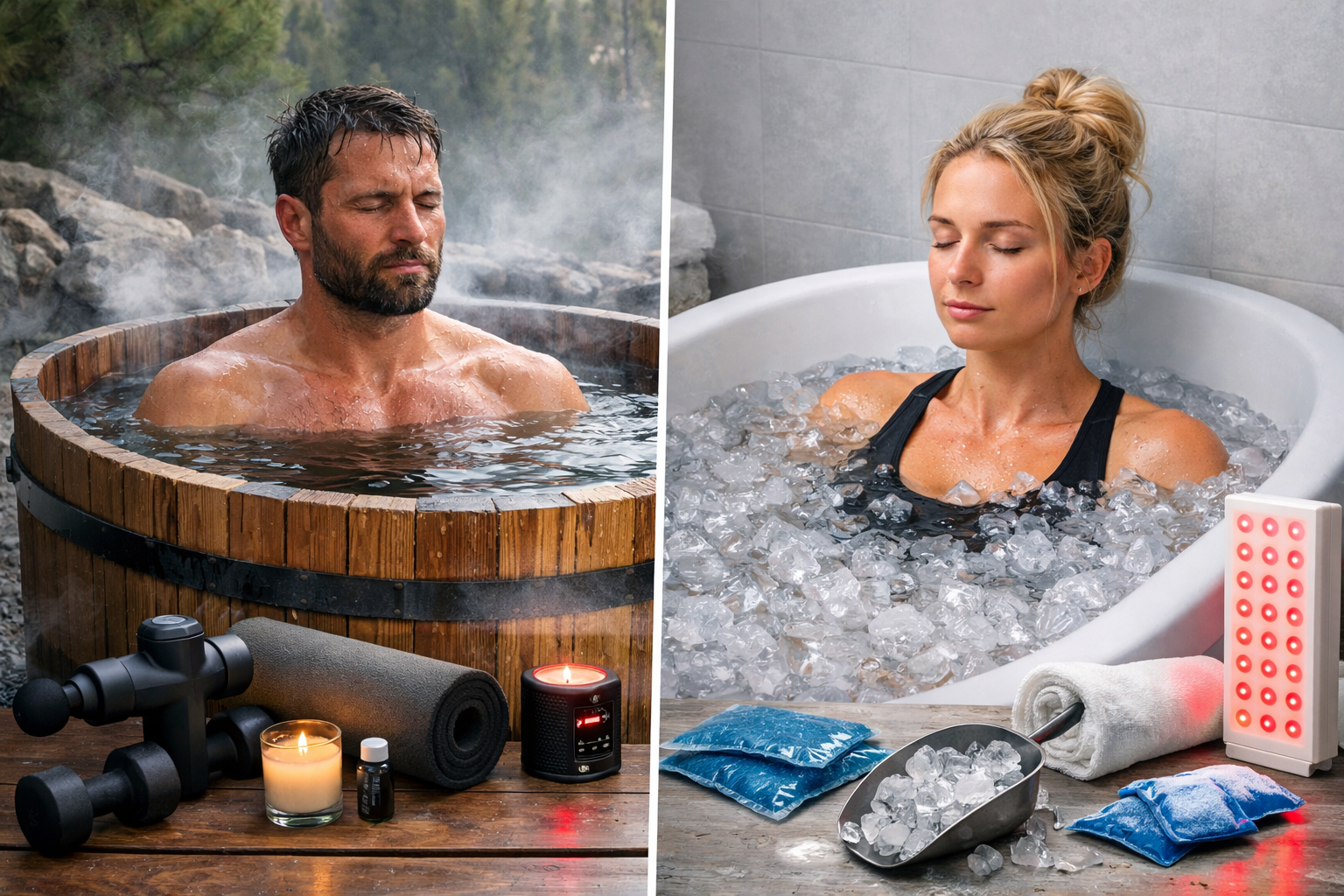
cold plunge vs ice bath is a question that matters for anyone building a premium at-home wellness routine, especially if you want effective cold therapy without daily hassle. Understanding the practical differences, limitations, and daily realities of home ice bath chillers is essential before choosing how you’ll recover.
Key Takeaways
- Home ice bath chillers maintain steady, consistent temperatures without the mess of melting ice, making cold immersion more convenient for regular use.
- Beginners should carefully consider their tolerance to cold and prepare a safe setup to avoid discomfort or safety risks during early sessions.
- Results are gradual and subtle—don’t expect dramatic or permanent changes in metabolism or fat loss from brief cold plunges, but do expect easier routines and reliable temperature control with a chiller.
- The Core Concept: What’s the Difference in Home Use?
- Step-by-Step Home Use Guide
- Advanced Analysis & Common Pitfalls
- Conclusion
- FAQ
The Core Concept: What’s the Difference in Home Use?
The phrase cold plunge vs ice bath describes the choice between two main types of home cold water immersion: traditional ice baths and modern cold plunge chillers. While both aim to lower water temperature for recovery and revitalization, their practical differences are crucial for home users.
Traditional ice baths require a standard tub or container filled manually with water and dozens of pounds of store-bought or homemade ice. This leads to unpredictable and rapidly changing water temperatures as ice melts. Prep and cleanup are messy, and getting the temperature right can be a guessing game.
Cold plunge chillers are purpose-built systems with integrated water chillers that keep water consistently cold at your chosen temperature—no daily ice runs, just accurate and repeatable settings. Start-up is more expensive but saves time and effort for those wanting a stable wellness habit.
Why does this matter? Scientific studies show no significant long-term difference in recovery benefits between the two methods, but the chiller’s stability and ease can encourage regular, safer use—especially important for beginners focused on forming a habit. (See Frontiers in Physiology)
In simplest terms: ice baths are convenient for one-off sessions but can become impractical fast. Cold plunge chillers cost more but provide the precision, consistency, and daily readiness that make regular at-home recovery possible.
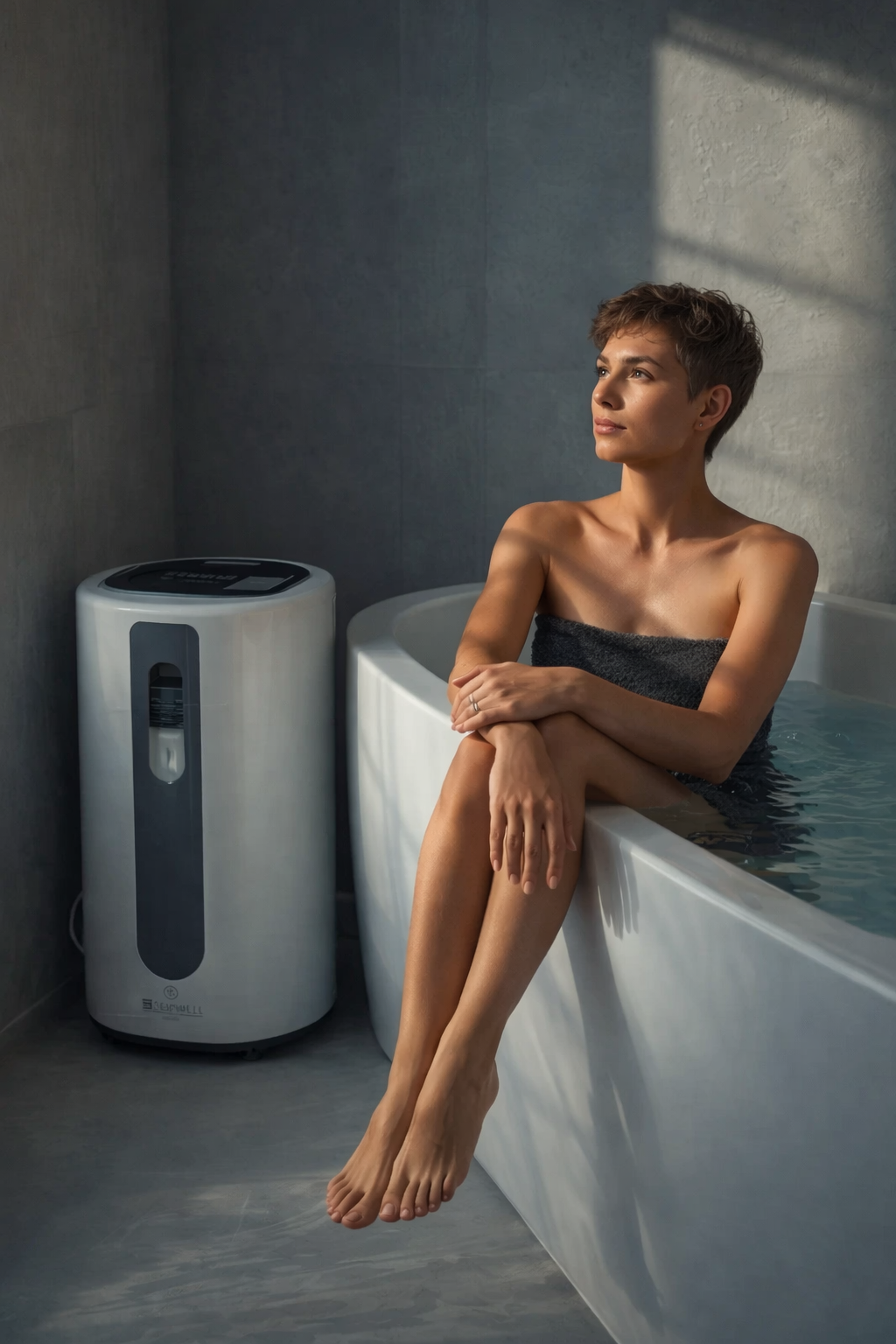
For beginners, this means your biggest decision is between up-front cost and lasting convenience—if you want regular sessions without hassle, a quality chiller may be worth the investment.
Step-by-Step Home Use Guide
Getting started with a home ice bath chiller is surprisingly straightforward, but safety, consistency, and realistic expectations are key. Here’s a proven routine for beginners to intermediate users seeking recovery and wellness—not extreme adaptation.
1. Set Up Your Chiller Safely
- Place your chiller and plunge tub on a flat, water-safe surface with proper drainage. Keep electrical connections dry and secure. If unsure, have an electrician check your setup.
- Fill your tub with clean water, following manufacturer capacity guidelines.
2. Adjust Temperature Thoughtfully
- The ideal range for beginners is 10°C to 15°C (50°F to 59°F). Start at the warmer end—lower temperatures are not proven better for results and can be uncomfortable or unsafe.
- Allow the chiller time to reach set temperature. Confirm with a thermometer if needed.
3. Session Duration Guidelines
- Begin with brief exposures: 1–2 minutes is sufficient for most. Gradually work up to 5–10 minutes only if you tolerate it well. Research shows more is rarely better for recovery (see expert analysis).
4. Frequency: Quality Over Quantity
- 2–4 sessions per week is realistic for most new users. Progress only if it feels right; daily plunges are unnecessary and may reduce enjoyment or adherence (see our frequency guide).
5. Cleaning Basics
- Replace water at least once every 1–2 weeks, or more often if used heavily. Wipe down surfaces and follow chiller and filter maintenance instructions.
- Consider sanitation options (filters, UV, or natural agents) for ongoing cleanliness—see your chiller’s manual for safe choices.
Remember: it’s better to stay consistent with moderate, well-tolerated sessions than to push for extremes. This builds the foundation for long-term recovery habits.
If you need a more detailed at-home routine, check out our beginner-to-advanced beginner’s guide to ice baths for safe, proven tips.
Advanced Analysis & Common Pitfalls
Choosing between a cold plunge chiller and traditional ice bath isn’t just about up-front spending. Real-world buyers often discover hidden frustrations or limitations after several months of use. Here’s what to realistically expect:
1. Noise and Energy Draw
Most chillers create some noise comparable to a small air conditioner. Placement in a garage or well-ventilated space may help. While energy draw is modest for most quality units, running 24/7 for ultra-low temps increases electricity cost.
2. Cleaning and Maintenance
Chillers are easier for quick setup but still require regular cleaning, Filter changes, and occasional deep cleans to prevent water issues. Manual ice baths require zero mechanical care but can be messier and harder to keep clean.
3. Space and Upfront Investment
A chiller and plunge tub require roughly the space of a bathtub-plus-mini-fridge. Expect $2,000–$15,000 for a premium system. In contrast, a plastic tub and ice cost less up front, but ongoing ice and preparation may add up over time. See our cost breakdown for more detail.
4. Consistency vs Abandonment
There’s no data yet showing why beginners stop, but expert consensus is clear: people often abandon manual ice baths due to hassle and inconvenience. Chillers help by making sessions quicker, easier, and more repeatable, which are essential for building a true habit. (See Inergize Health analysis)
| Feature | Ice Bath (Manual) | Cold Plunge Chiller |
|---|---|---|
| Temperature Control | Poor—changes quickly as ice melts | Excellent—set and hold any temp 3–15°C |
| Preparation Effort | High—buy ice, fill tub every session | Low—flip switch, ready any time |
| Noise Level | Silent (no chiller) | Low–Moderate (chiller hum) |
| Maintenance | Rinse/clean tub, manage drainage | Filter changes, surface cleaning, water care |
| Cost Over 1 Year | Medium–High (regular ice, time, effort) | High upfront, lower recurring cost |
| Suitability for Daily Use | Low—becomes tiresome fast | High—consistent, ready, less friction |
Overall, a home ice bath chiller reduces the daily friction of cold immersion. But it’s only worthwhile if you’ll use it regularly, keep it clean, and understand that recovery benefits are subtle and best seen over time—not overnight or with extreme exposure. For more on routine and recovery, visit our evidence-based recovery guide or detailed chiller setup walkthrough.
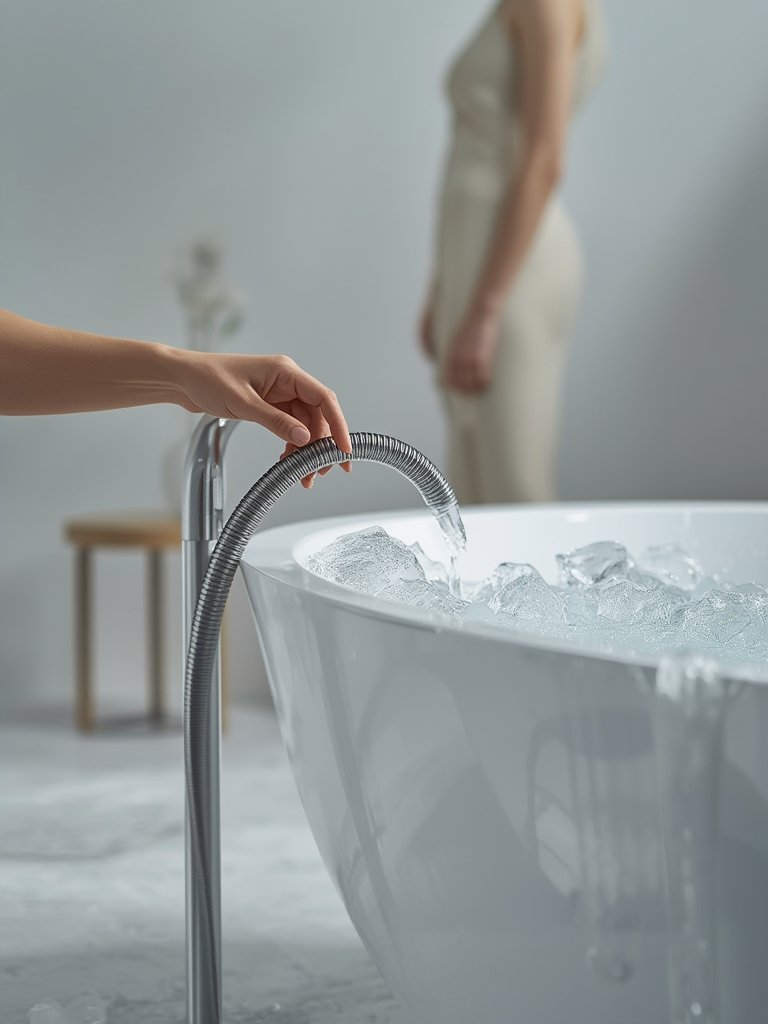
If you’re short on space, dislike routine maintenance, or prefer a rare “event” instead of a regular recovery ritual, a manual ice bath may still suit your needs. Cold plunge chillers are best for those seeking an easy, repeatable daily or weekly habit.
Conclusion
The choice of cold plunge vs ice bath ultimately comes down to lifestyle, convenience, frequency, and comfort with up-front investment. Research shows both can reduce soreness with safe, regular use, but chillers offer greater control, consistency, and ease for those intent on building an at-home wellness routine. Realistic expectations, maintenance, and gradual habit-building are the keys to long-term success.
For most home users new to cold therapy, starting cautiously, focusing on comfort, and comparing the daily realities will help you select the best approach. Explore comparison guides, review credible research, and reflect on what will keep you returning session after session.
FAQ
How cold should a home ice bath chiller be set for beginners?
Begin with water temperatures between 10°C and 15°C (50°F to 59°F). It’s safer and more comfortable to start at the higher end and adjust only if you tolerate cold well over time.
How frequently should I use a cold plunge chiller for the best results?
Most beginners benefit from 2–4 sessions per week. Listen to your body and avoid overdoing it as daily plunges are rarely necessary for recovery and may lower enthusiasm for long-term use.
What safety precautions do I need to take with a home ice bath chiller?
Always keep electrical parts dry, check all connections before use, exit immediately if you feel dizzy or extremely cold, and never use the chiller alone if you’re new to cold exposure.
What ongoing cleaning and maintenance does a chiller require?
Clean the tub every 1–2 weeks, replace or sanitize water regularly, and check or change filters per the manufacturer’s instructions. Some chillers offer UV or ozone sanitation as optional features.
Who should avoid using home ice bath chillers?
Anyone with cardiovascular or uncontrolled chronic health conditions should consult their doctor before using cold immersion systems. Beginners with low cold tolerance should start slow and monitor their comfort closely.