

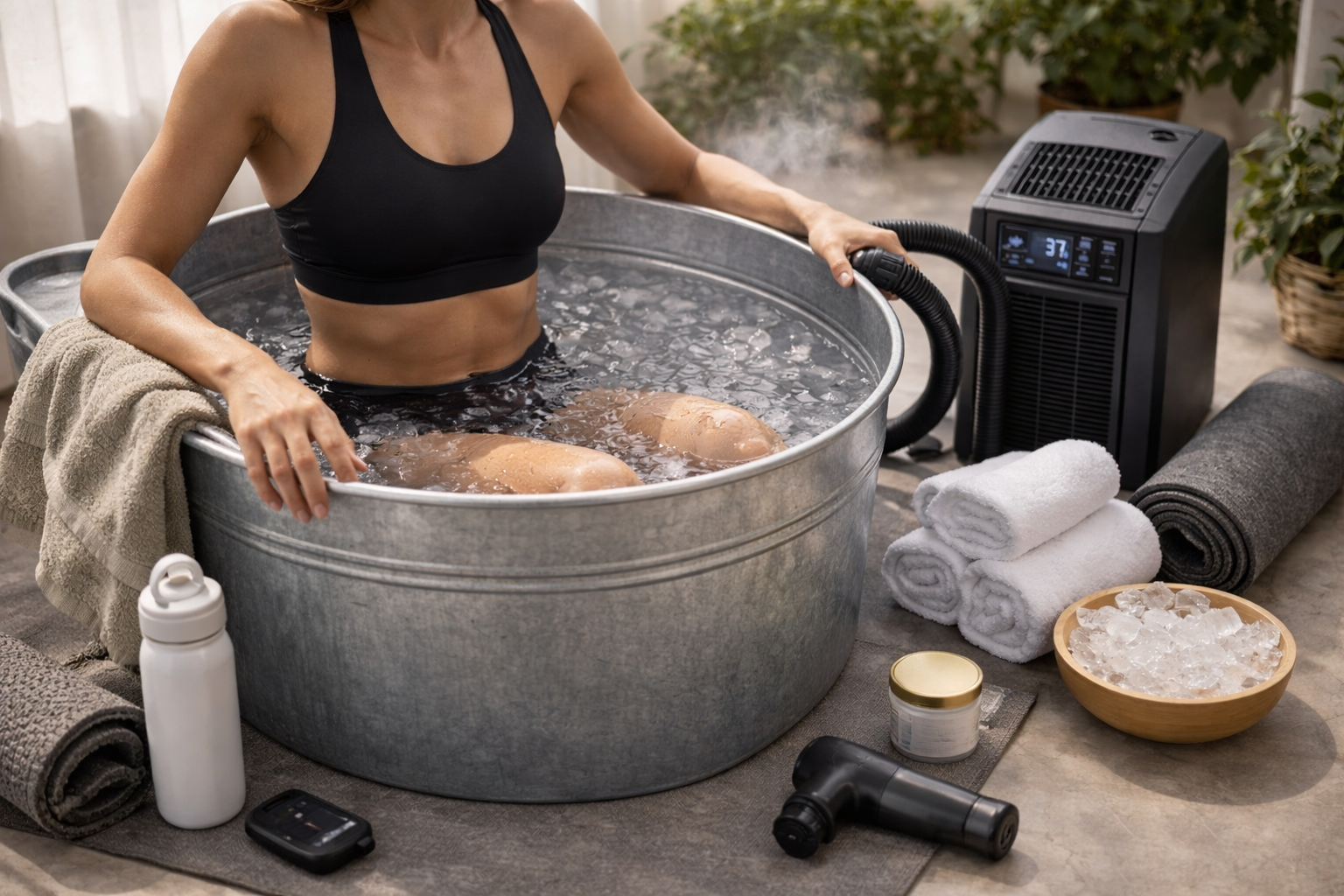
Best ice bath routine at home routines are rapidly becoming cornerstones of premium wellness for recovery-focused individuals, but realistic expectations and safe practices are crucial when using a home chiller system. Understanding what makes an effective, safe routine can help beginners harness potential recovery benefits while avoiding common pitfalls and frustrations.
Key Takeaways
- Consumer-grade home ice bath chillers maintain cold water at consistent temperatures, supporting precise routines that manual ice often cannot reliably deliver.
- Beginners should know that starting with shorter, supervised sessions at moderate temperatures is safer than attempting extreme protocols seen on social media.
- Consistent results depend on regular cleaning, proper temperature control, and realistic session frequency—ongoing care and setup diligence are necessary for sustained use.
- The Core Concept: What Is the Best Ice Bath Routine at Home?
- Step-by-Step Home Use Guide
- Advanced Analysis & Common Pitfalls
- Conclusion
- FAQ Section
The Core Concept: What Is the Best Ice Bath Routine at Home?
The best ice bath routine at home involves a safe, research-based method of using a dedicated chiller system to maintain your water between 11 and 15°C (52 to 60°F) for short, controlled sessions. This protocol aims to help muscle recovery after exercise, reduce soreness, and promote a sense of well-being—all within boundaries set by sports medicine research and mainstream health agencies.
Home ice bath chillers are engineered to automate the chilling process, keeping water within a defined temperature range—unlike filling a bathtub with bags of ice, which is inconsistent and often impractical. This allows users to precisely regulate their exposure if they follow established guidelines.
According to the American College of Sports Medicine (ACSM), optimal recovery routines for healthy adults involve either a single immersion for 11 to 15 minutes at 11-15°C, or two 5-minute immersions at 10°C (50°F) with a break in between. Risks increase with longer or colder plunges, especially without supervision.
In summary, for beginners, the core idea is simple: use a reliable chiller to manage your water temperature, keep sessions short, and stick to evidence-backed protocols. This encourages recovery while minimizing unnecessary risks.
Step-by-Step Home Use Guide
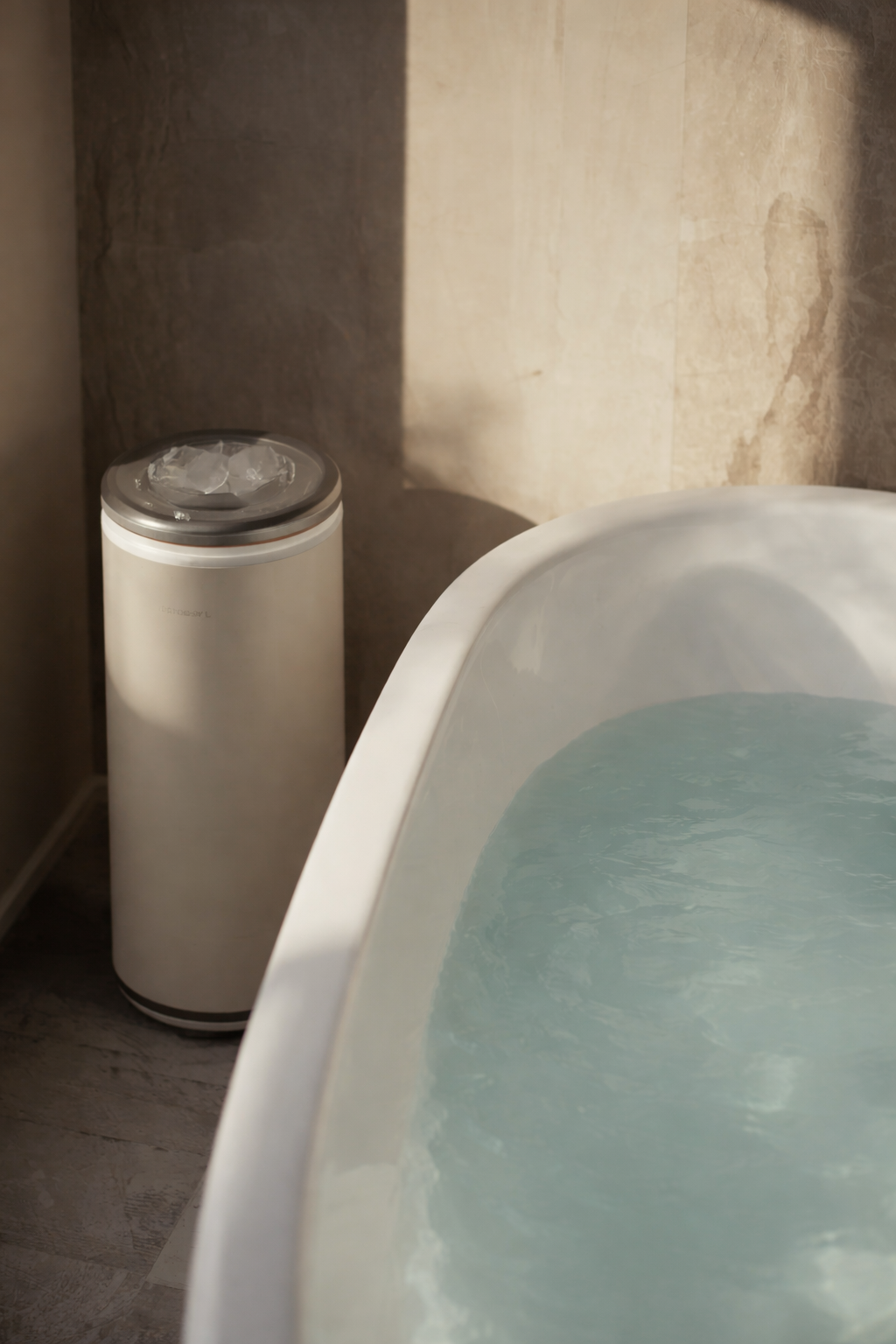
Building a safe and effective home ice bath routine with your chiller is straightforward when you follow a few expert-backed steps. This roadmap balances safety, comfort, and practicality for consistent results.
1. Preparing Your Space & Equipment
- Set up your home chiller system according to the manufacturer’s instructions, ensuring proper placement near a grounded power source, on a water-resistant floor, and with adequate drainage.
- Fill the tub with clean, fresh water. Check filtration and pumps for correct operation.
2. Selecting Your Starting Temperature
- For beginners, set the chiller to the upper end of the recommended range—13-15°C (55-60°F).
- If new to cold therapy, start higher and work down over several sessions; lower temperatures (closer to 11°C/52°F) are only for experienced users without contraindications.
ACSM and UNSW advisories both stress the importance of not dropping below 10°C unless under expert supervision.
3. Safe Session Duration and Frequency
- Begin with short immersions—just 2 to 5 minutes per session.
- Gradually work towards 10 to 15 minutes only if tolerated. Most home users will benefit from 5 to 10 minute sessions, two to three times per week after exercise.
- Never use alone; always have someone nearby the first few times or if you have any health risks.
Popular health blogs may promote longer sessions or colder plunges, but agencies like UNSW advise strict time limits and gradual adaptation (UNSW Health Advisory).
4. Entering and Exiting Safely
- Step in slowly, pausing to acclimate as you lower yourself to waist or chest depth. Focus on steady breathing to minimize the cold shock response.
- Exit the tub carefully—surfaces and your body can be slippery or numb.
- After each session, warm up gently with a towel, room-temperature air, or light movement. Avoid direct hot showers immediately afterward to allow your body to recover naturally.
5. Cleaning & Water Maintenance Basics
- Change or filter your water frequently—at least once per week if using daily, or as directed by your chiller manufacturer.
- Wipe down surfaces and check for visible debris, dirt, or cloudiness.
- Disinfect the tub with appropriate products every few weeks to prevent bacterial growth, especially in warm climates.
Regular maintenance improves both your comfort and safety. See our guide for keeping your water cold and clean without endless ice purchases.
By mastering these steps, beginners can adopt a home ice bath routine that fits their recovery goals while managing risks sensibly.
💡 Pro Tip: Always track the water temperature yourself—built-in thermometers can drift, and using an external, waterproof digital thermometer gives more peace of mind for day-to-day use.🔥 Hacks & Tricks: Develop a pre-dip ritual—set out towels, have warm clothes ready, and schedule sessions right after your regular workouts to make the habit stick long-term with less mental friction.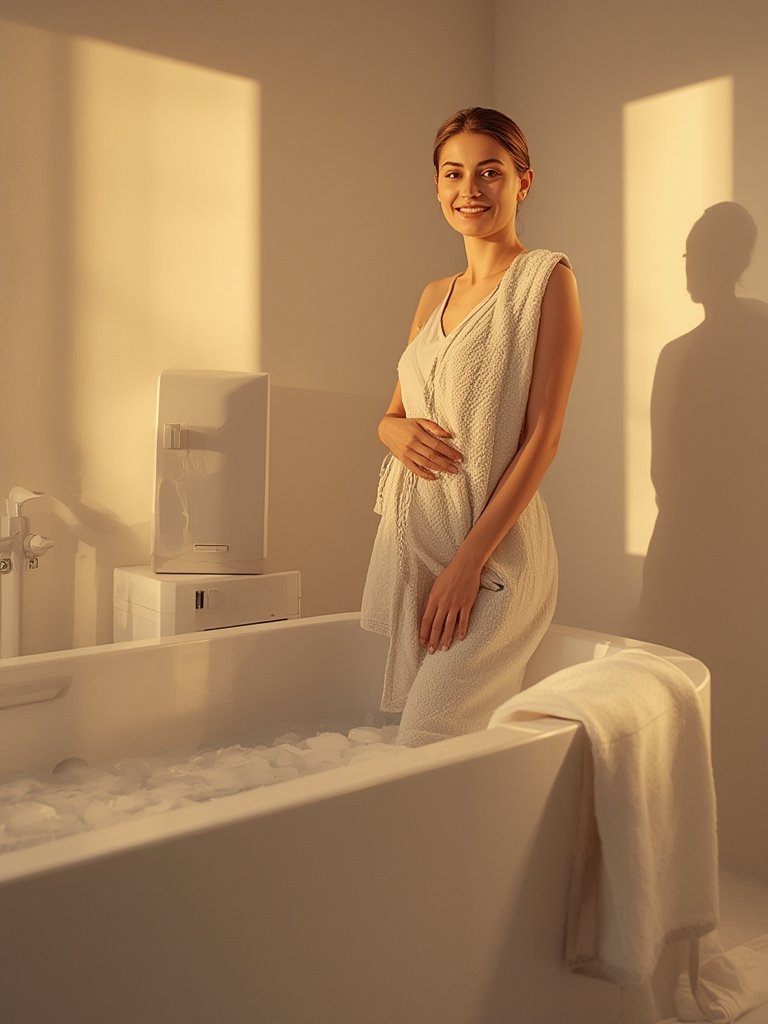
Advanced Analysis & Common Pitfalls
While many users enjoy the convenience of a home ice bath chiller, several real-world drawbacks and sources of frustration are often overlooked at the beginner stage. Understanding these issues sets realistic expectations and can prevent discouragement or wasted investment.
Practical Drawbacks for Realistic Home Use
- Noise: Chillers use compressors and pumps that can be as loud as a small air conditioner. This may limit where you can operate the unit in your home.
- Energy Use: Chillers need continual power to maintain low water temperatures, especially in warmer climates or uninsulated rooms. Actual electricity consumption varies by model, but some users report notable increases in utility bills. For power-saving guidance, see the energy use of ice bath chiller guide.
- Cleaning Frequency: Colder water slows bacteria but does not eliminate the need for regular cleaning, especially with frequent use or if multiple people use the same setup.
- Space Requirements: Even portable ice bath setups take up more floor area and water capacity than most beginners expect. Installation on balconies or in small bathrooms may not always be safe or practical. Learn more in the portable ice bath setup guide.
- Routine Abandonment: While specific dropout statistics are not available, new users often discontinue routines because they start too aggressively, find upkeep too demanding, or lack immediate results. Starting gradually and keeping routines simple fosters better long-term adherence. For practical tips, visit the ice bath for beginners step-by-step guide.
Common Mistakes and How to Avoid Them
| Common Pitfall | Impact | How to Avoid |
|---|---|---|
| Setting temperature below 10°C | Risk of cold shock, loss of consciousness | Follow ACSM and UNSW guidelines and use 11–15°C for most home routines (ACSM, UNSW) |
| Extended sessions (over 15 minutes) | Hypothermia, afterdrop risks | Keep sessions within 3–10 minutes for most, limit advanced protocols to supervised settings |
| Infrequent cleaning | Bacterial growth, skin irritation | Establish a set cleaning schedule and adhere to it consistently |
| Lack of backup safety support | Unnoticed accidents, especially for those with cardiovascular risks | Never plunge alone and consult a doctor if you have health concerns |
Summary for Beginners
Home ice bath chillers can be a valuable wellness tool, but they require time, safe habits, and regular maintenance. Evaluate your living space, available time for care, and willingness to start slow before investing. Prioritize safety and routine above quick fixes or extreme challenges.
Conclusion
Establishing the best ice bath routine at home with a dedicated chiller system is a practical way to support your recovery and overall wellness, provided you keep sessions consistent, safe, and within expert-recommended parameters. Always prioritize gradual adaptation, regular cleaning, and realistic expectations concerning time and temperature. For many, starting slow and focusing on a sustainable process is the real key to premium wellness results. Continue researching and comparing before you commit to a setup, and revisit expert advice as your needs or routines evolve around the best ice bath routine at home for your lifestyle.
FAQ Section
What is the safest water temperature for a home ice bath chiller?
The safest range for most healthy adults is 11 to 15°C (52 to 60°F), as recommended by ACSM. Start higher and only reduce temperature if comfortable and medically cleared.
How often should I clean and change the water in my home ice bath?
Clean or filter water at least weekly for frequent use, and disinfect the tub with appropriate products every few weeks to prevent bacterial growth.
How long should beginners stay in the ice bath each session?
Start with 2 to 5 minute immersions. Only increase duration up to 10 minutes if comfortable and without adverse effects. Do not exceed 15 minutes.
Who should avoid using an ice bath chiller at home?
Anyone with a history of cold injury, cardiovascular disease, uncontrolled hypertension, or respiratory issues should consult a doctor before attempting cold immersion.
Can I use a home ice bath chiller alone?
It is best to have someone nearby when starting out, especially if you have health concerns. Avoid using ice baths alone until you are experienced and confident in your response.