

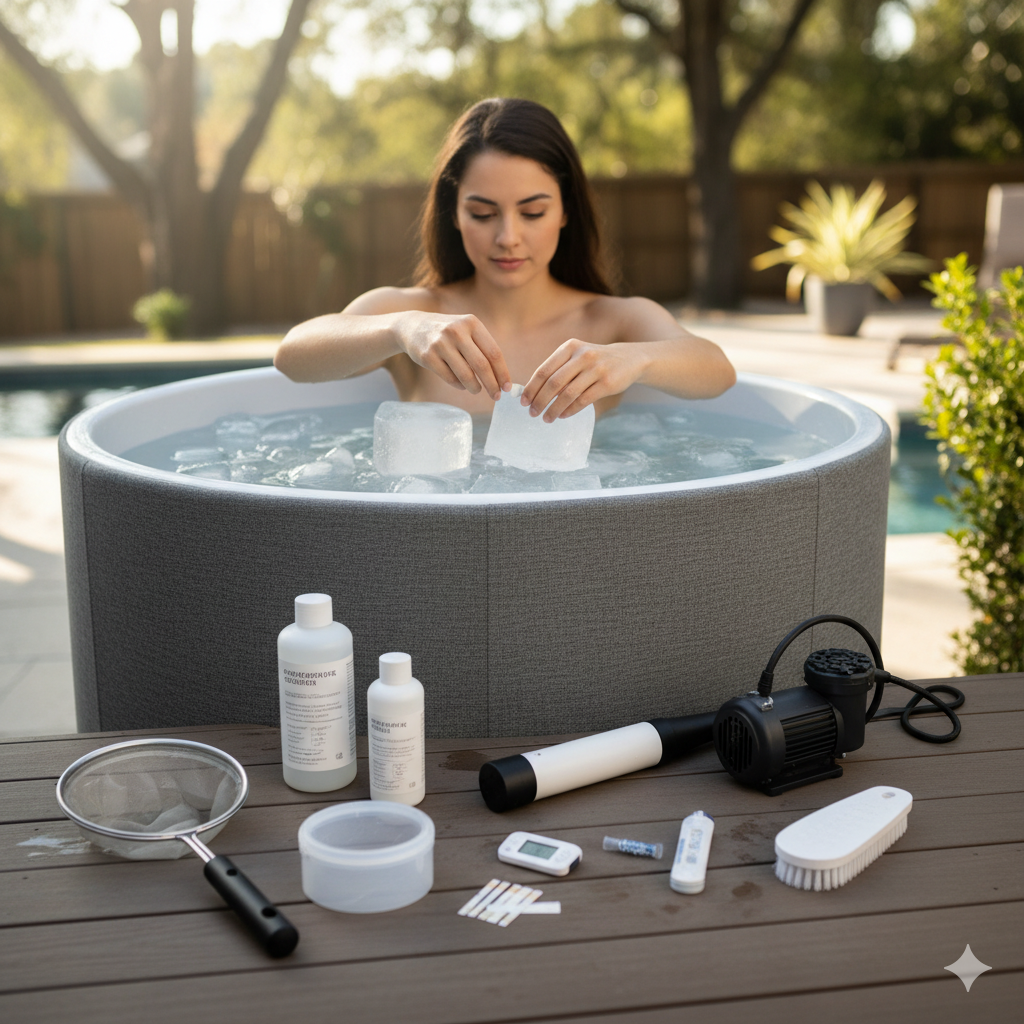
Ice bath water maintenance is essential for anyone using a home ice bath chiller as part of a premium wellness or recovery routine. Clean, clear, and safely chilled water not only supports a refreshing plunge but also helps prevent hygiene issues common in at-home setups. Unlike commercial spas, home users often manage smaller tubs, variable water quality, and unique challenges—so mastering maintenance, not just temperature, is crucial for long-term results.
Key Takeaways
- Modern home ice bath chillers circulate and maintain cold water but require separate filtration and sanitation to keep water safe for repeated use.
- Beginners should understand that filtration alone is not enough—ozone or UV sanitation is necessary for clean, hygienic plunges at home.
- Expect to check, clean, and treat water at least weekly to maintain consistency and prevent abandonment of the routine.
- What Is Ice Bath Water Maintenance?
- Step-by-Step Home Use Guide
- Advanced Analysis & Common Pitfalls
- Conclusion
- FAQ
What Is Ice Bath Water Maintenance?
Ice bath water maintenance means keeping your cold plunge water clean, clear, and safe over time—especially when using a home chiller system versus filling with new ice and water each session. Good water care reduces the buildup of bacteria, debris, and unpleasant odors, helping maintain a premium wellness experience.
Unlike dropping ice in a tub for one-off use, a home chiller chills and circulates the same water for many days. This recirculation saves you money, hassle, and time—but only if you commit to regular upkeep:
- Filtration: Removes visible debris and particles (use a pleated polyester 50-micron filter, not basic sponge or carbon filters).
- Sanitation: Kills bacteria and viruses, typically using ozone with a Venturi injector or a UV clarifier—not just chemical disinfectants.
- Regular Cleaning: Prevents residue, biofilm, or unclean surfaces that can form even if the water looks clear.
Without careful maintenance, stagnant and recirculating water risks bacterial growth and rapid drop-off in quality. Most chillers do not filter or sanitize water by default—you must add separate components to do this safely.
For beginners, this means that choosing an ice bath chiller for convenience still requires honest attention to water care. Expect to check your system at least weekly, with quick cleaning and periodic filter swaps as a normal part of the process.
Step-by-Step Home Use Guide
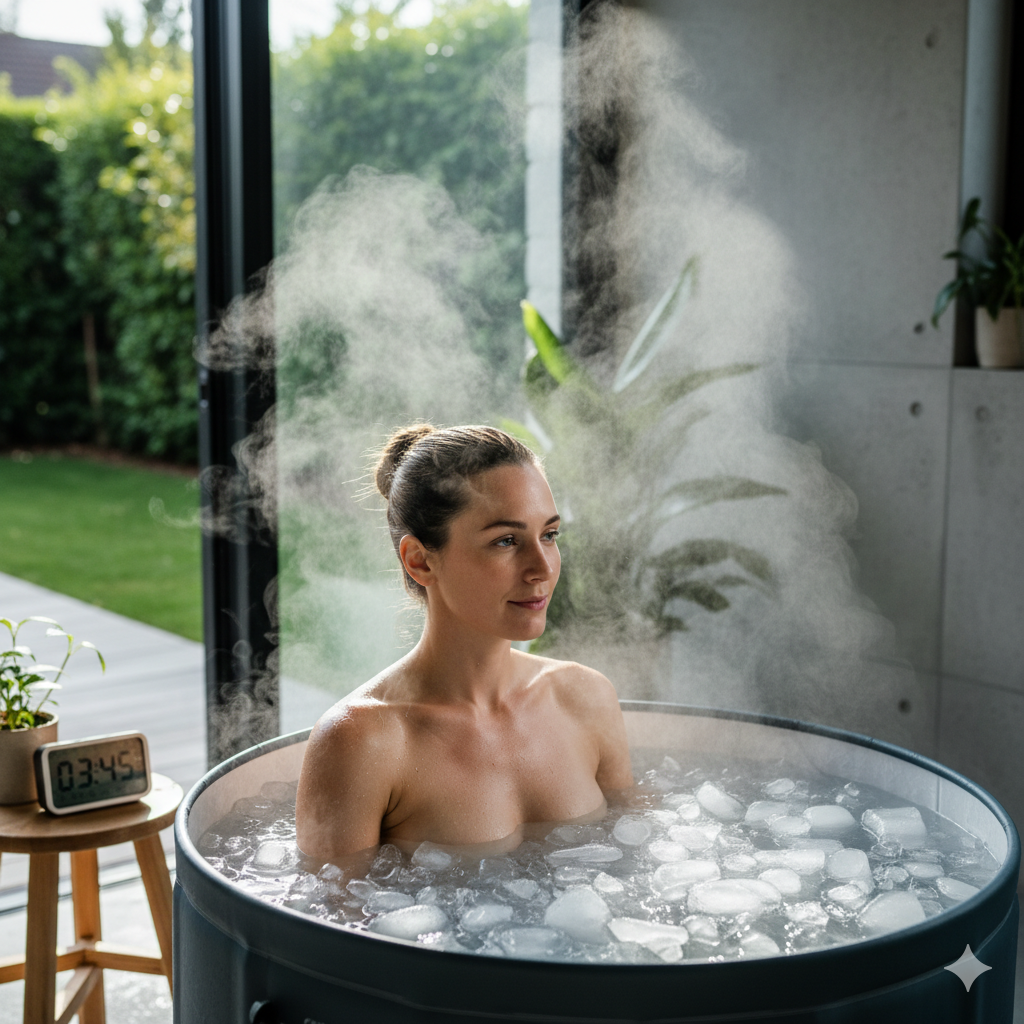
Starting with a home chiller system is simple, but success depends on building safe, sustainable habits. Below is a practical step-by-step guide for beginners:
- Preparation:
- Choose a well-ventilated, waterproof space with access to a GFCI outlet to reduce electrical risk.
- Install a 50-micron pleated polyester filter in a filter housing with a built-in bypass valve for easier cleaning and swaps. See example builds here.
- Plan for additional sanitation—either a UV clarifier or an ozone injector in the circulation line. Do not rely on filtration alone.
- Temperature Range:
- Set the chiller to 10–15°C (50–59°F) for typical wellness or recovery sessions. Beginners often start around 12–15°C for comfort, lowering as tolerance builds.
- Always check water temperature before entering. Review safe temperature ranges here.
- Session Duration & Frequency:
- Begin with 1–3 minute sessions, progressing to 5–10 minutes as you adapt.
- 2–3 cold plunges per week are sufficient for most. Avoid daily plunges unless you have prior experience and your skin is tolerating the exposure.
- For each session, pause pump circulation during entry/exit for safety.
- After use, restart pump and sanitation systems for ongoing cleaning.
- Get a full beginner routine here.
- Basic Water Care:
- Run pump and sanitation (UV or ozone) whenever not in use. Interrupt only while bathing.
- Check filter pressure and flow weekly. Rinse or swap filter cartridges if flow drops or debris clogs arise.
- Test water clarity and odor. If water looks cloudy or smells, change it immediately—even if under two weeks.
- Wipe down tub, plumbing, and accessories every 2 weeks with a mild non-scented cleaning solution before refilling.
- See a practical care walkthrough here.
- Weekly/Fortnightly Deep Clean:
- Plan a full water change every 1–2 weeks depending on use volume and clarity—even with continuous filtration and sanitation.
- Sanitize system components. Rinse and check filter O-rings for seals before restarting.
For best results, schedule short maintenance breaks into your routine. Consistency leads to clear water and minimal disruption—making your investment in a home chiller system worthwhile over the long term.

Advanced Analysis & Common Pitfalls
Even with the right setup, beginners often underestimate the complexity and diligence needed for ice bath water maintenance at home. Here are realistic performance factors and recurring mistakes from user experiences and research:
Common Drawbacks & Limitations
- Noise: Pumps and chillers must run most hours to ensure clean, circulating water. Expect a steady hum—consider placement in garages or insulated spaces if noise is disruptive.
- Energy Use: Chillers are not low-power devices. Most households reduce costs by scheduling cycles with plug timers instead of running nonstop.
- Water Change Frequency: Even with robust filtration and ozone/UV, expect bi-weekly water changes. Cloudiness or odor means changing water sooner.
- Space & Setup Constraints: Systems require plumbing (at least 3/4 inch connections), drainage solutions, and weather protection in colder regions. Some filter housings are bulky.
- Filter Clogging: Using incorrect filter types—string-wound, carbon, polypropylene—causes rapid blockages and frustration. Always use pleated polyester 50-micron filters.
- Sanitation Oversights: Many assume filtration is sufficient. In reality, sanitation with ozone or UV is essential to neutralize bacteria.
Most Frequent Beginner Pitfalls
- Relying on filtration alone (skipping a true sanitizer).
- Ignoring small leaks—especially after new filter install due to misaligned O-rings.
- Underestimating maintenance effort, leading to skipped cleaning weeks and eventual tub abandonment.
- Trying trial-and-error with random filter types rather than ones proven for circulatory home ice baths.
- Leaving water in place far longer than suggested, trusting clear appearance over actual hygiene.
| Maintenance Factor | Best Practice | Common Mistake |
|---|---|---|
| Filtration | Pleated polyester 50-micron | String-wound, carbon, poly-web filters clog fast |
| Sanitation | Ozone Venturi or UV clarifier | Skipping entirely, relying on filtration |
| Water Change | Every 1–2 weeks or immediately if cloudy/odorous | Stretching between changes too long |
| Pump Use | Run nearly all the time, pause during use | Leaving off for long periods; causes stagnation |
| Filter Cartridge Install | Check/rinse before install, align O-rings | Missing O-ring checks, causing leaks |
Before investing, consider whether you are prepared for regular (but not difficult) ongoing water maintenance alongside the wellness benefits. Those who build a weekly habit find home cold plunges more sustainable and enjoyable long term.
Conclusion
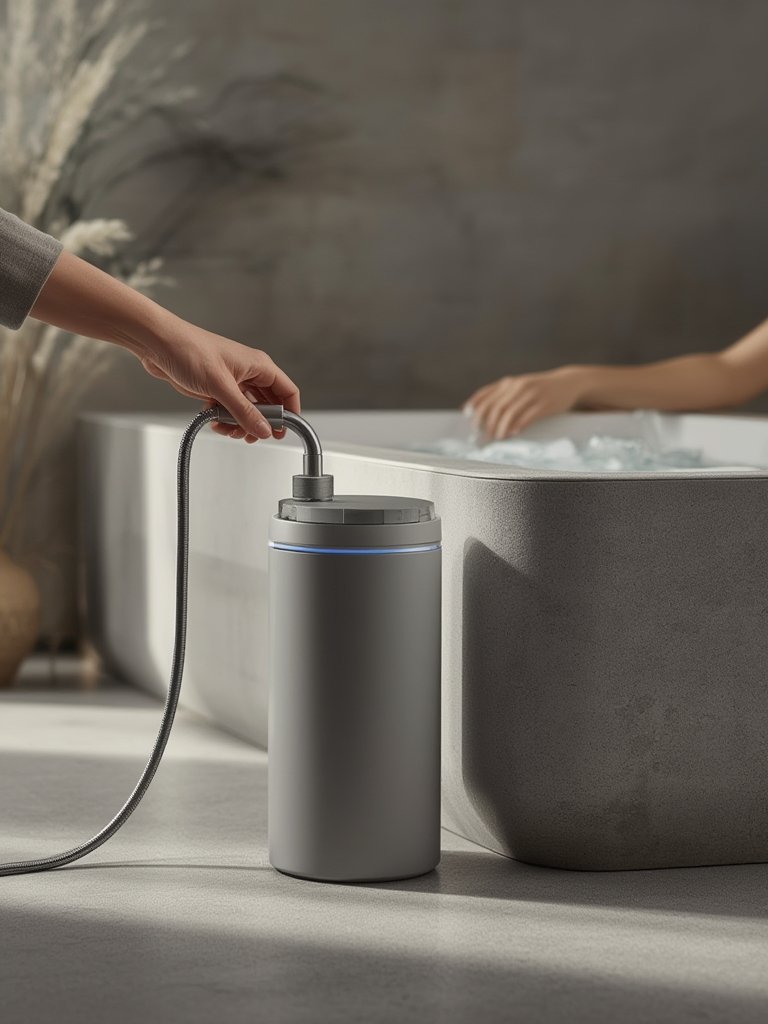
Premium ice bath chiller systems make regular cold therapy achievable at home, but effective ice bath water maintenance is what sets a safe, long-lasting setup apart from a short-lived project. Filtration and sanitation, done together, allow you to enjoy crisp plunges with minimal fuss. If you are considering a home chiller, take time to plan your care routine and choose components rated for this unique use. Review common mistakes and decision factors here. Before committing, reflect honestly on your willingness to maintain, clean, and optimize for the cleanest, most consistent experience. Learn more or compare systems before making a purchase that fits your lifestyle.
FAQ
Is it safe to leave water in a home ice bath chiller for two weeks?
With continuous filtration and ozone or UV sanitation, water can safely last up to two weeks in most setups. Always monitor for odor or cloudiness, and change sooner if you notice issues.
What water temperature should I use for a beginner ice bath at home?
A temperature of 12–15°C (54–59°F) is typical for beginners, providing both comfort and cold-immersion benefits. Adjust lower only as your tolerance grows.
How often should I clean or change the filter in my chiller system?
Check filters weekly for flow and debris. Pleated polyester 50-micron filters last longest but still need rinsing or changing a few times per month depending on use.
Do I need chemicals to keep home ice bath water clean?
No, you can use ozone or UV sanitation to neutralize bacteria without chemicals. Chlorine tablets are an option, but not essential if you use effective non-chemical methods.
Who should consider a home ice bath chiller system?
Anyone seeking regular cold exposure for wellness or recovery routines—especially those wanting to avoid buying ice—can benefit. Be ready to perform light weekly care and follow safety guidelines.