

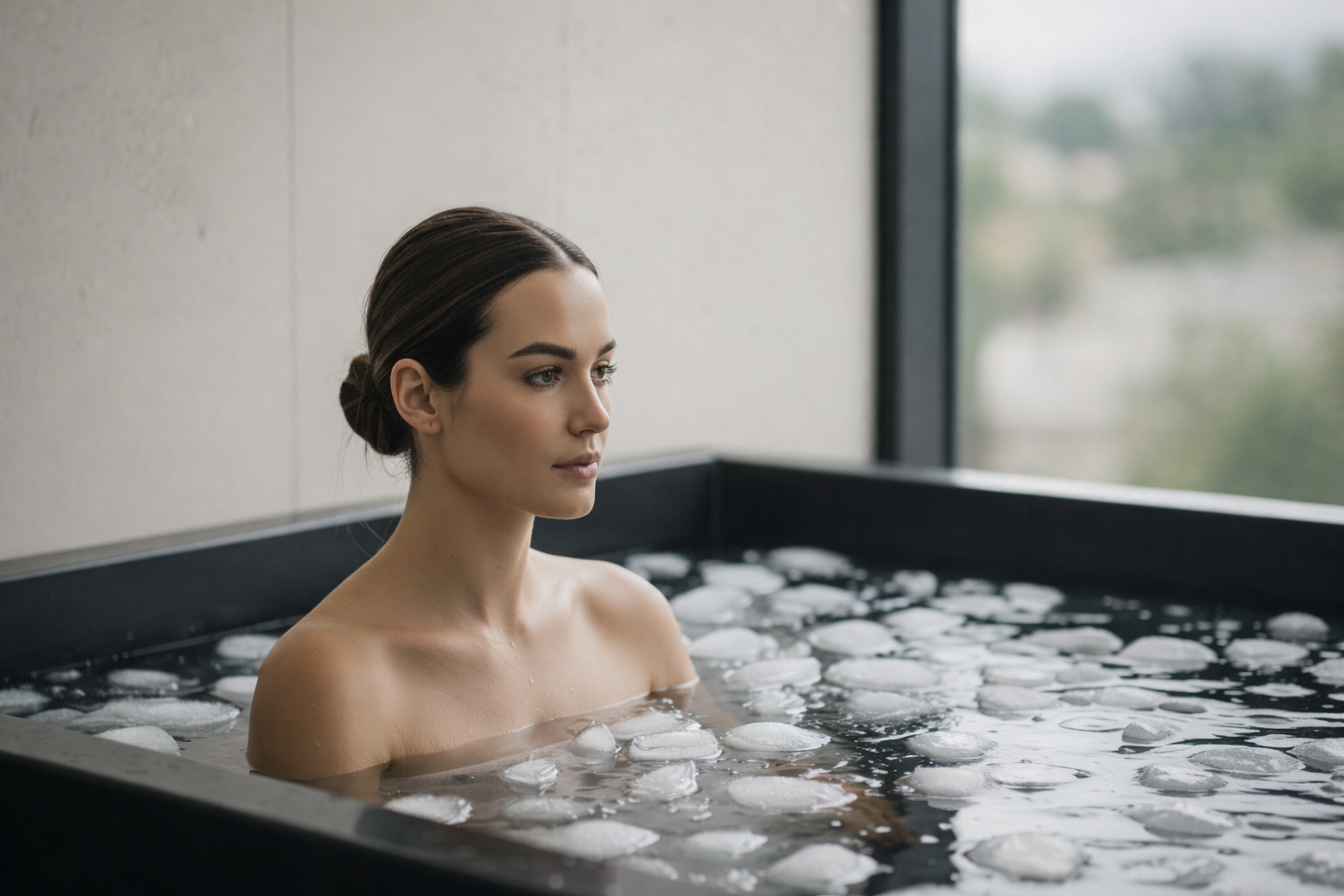
Best budget cold plunge system is one of the most common searches for people looking to start premium wellness and recovery routines at home without a significant investment. Selecting a practical, effective chiller system—rather than constantly buying ice—offers precise temperature control and consistent cold-immersion, but it’s important to understand the true tradeoffs, setup realities, and regular care involved with budget-friendly equipment. This guide cuts through hype so you know exactly what to expect and how to safely set up a cold plunge for honest, lasting results.
Key Takeaways
- Most home cold plunge chillers for beginners require three or more hours to reach target low temperatures and rely on insulation for stable operation.
- Understanding chiller limitations, power requirements, and cleaning schedules prevents common points of frustration and quitting.
- Expect modest energy use and weekly water care to maintain safe, consistent use—results depend on setup, environment, and routine.
- Understanding the Best Budget Cold Plunge System
- Step-by-Step Home Use Guide
- Advanced Analysis and Common Pitfalls
- Conclusion
- FAQ
Understanding the Best Budget Cold Plunge System
The best budget cold plunge system is an insulated tub paired with an electric chiller designed to cool water to precise, low temperatures (typically between 37°F and 50°F) for cold-immersion recovery at home. Unlike filling a bathtub or trough with ice—which is labor-intensive and expensive—these setups offer repeatable results with less mess and more control. Budget models (generally under $6,000) include units like Sun Home Cold Plunge Pro or Desert Plunge, which cool about 100–110 gallons of water on a regular 120V outlet but may require several hours to get the water cold, especially in warm environments.
Iced plunge chillers circulate and chill water with a built-in pump and filter system, helping you avoid rapid temperature fluctuations and manual refills. Insulated designs are vital; uninsulated or poorly sealed tubs lose cold quickly, which adds to chiller workload and power costs, and may turn sessions into a chore. Entry-level chillers rarely create true ice cubes at 32°F, despite some marketing claims—they often run at 37–41°F for safety and reliability as seen in independent system reviews (source).
For premium home wellness routines, the real benefit is convenience, consistency, and cost predictability compared to buying or storing bags of ice. But with budget models, cooling speeds and absolute low temperatures are limited by chiller horsepower, power draw, and ambient heat.
For beginners, this means: a quality budget system delivers reliable cold-water immersion with minimal mess and low day-to-day cost, but does not offer instant ice-cold dips or commercial spa power.
Step-by-Step Home Use Guide
Here’s a beginner-friendly, step-by-step method for using a budget home cold plunge chiller safely and consistently:
1. Find the right spot
Set up your chiller and plunge tub on solid, level ground with proper drainage and within reach of a standard 120V GFCI-protected outlet (required in wet locations for safety per NEC guidelines). Ensure your area can handle the weight of a filled tub (commonly over 1,000 pounds with water and user).
2. Fill and start chilling
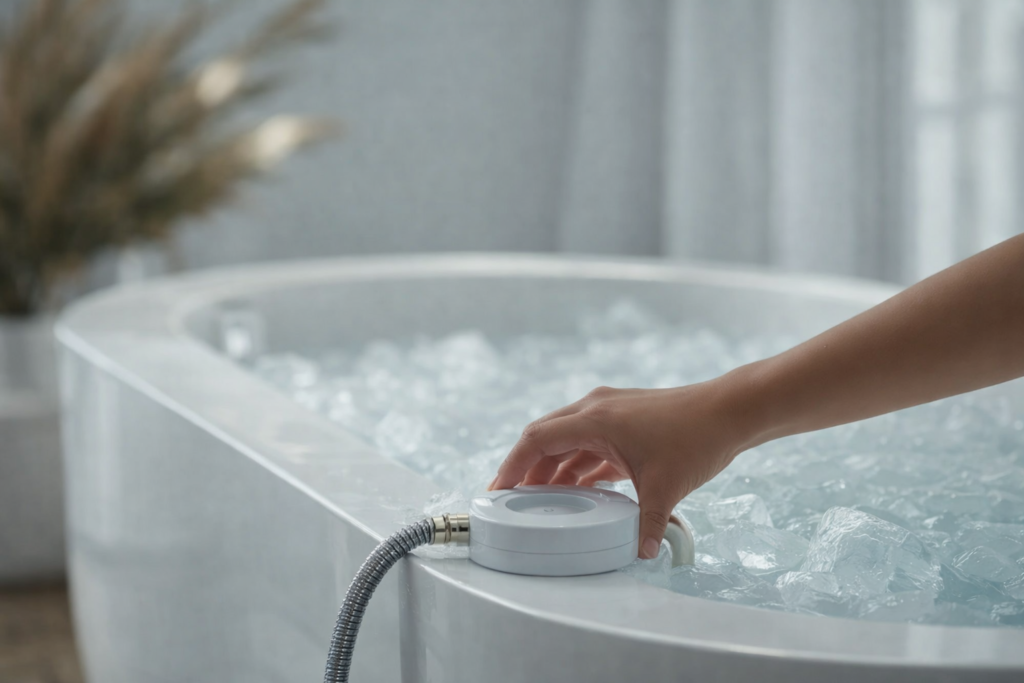
Fill the tub with clean tap water to the manufacturer’s recommended level (typically 100–110 gallons). Plug in the chiller, set the digital thermostat between 38°F and 50°F—most users, especially beginners, target 45°F to 50°F to start. Allow at least 3 hours (often up to 6) for the initial cool-down, depending on room temperature and chiller power. Insulated lids help hold the cold.
3. Safe session durations and frequency
Once chilled, test water with a reliable thermometer. For safety, beginners should start with 1–2 minute immersions, gradually increasing to 5–10 minutes over weeks, never forcing beyond personal comfort. Two to four sessions per week offer benefits, with daily use possible if water quality is maintained. For more info, see our ice bath for beginners guide.
4. Cleanliness and care
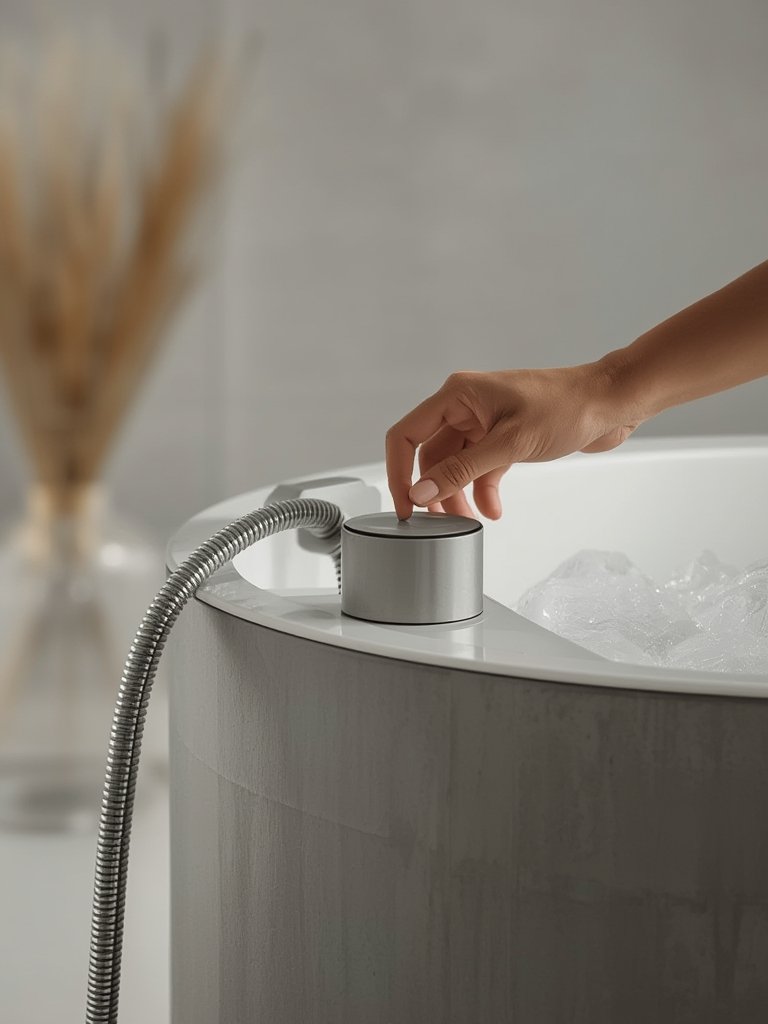
Most chillers include 20-micron filters weekly and water pumps for circulation. Check and rinse these filters weekly. Perform a partial water change or add appropriate water treatment (such as chlorine or specialized spa sanitizer) every week. Fully drain and scrub the tub at least monthly, or if water becomes cloudy or odorous. Smartphone app controls on some models can notify you of filter status and cleaning needs.
5. Monitor usage and safety
Always have someone nearby during your first cold plunge sessions. Avoid using the plunge after exercise until your heart rate normalizes. Never submerge your head or stay in if you feel lightheaded. For more temperature and timing advice, visit our ice bath temperature guide.
By focusing on small, steady routines and realistic cleaning, you’ll maximize results without overwhelming maintenance, creating a dependable at-home recovery ritual.
💡 Pro Tip: For best comfort and safety, pre-warm a towel and set it next to your plunge tub—immediate warmth after cold immersion makes cooldowns safer and encourages consistent practice, especially in winter.🔥 Hacks & Tricks: Keep a tight-fitting, insulated lid on your plunge tub between uses—this speeds up cooling, reduces energy bills, and greatly slows evaporation or contamination compared to leaving the water exposed.
Advanced Analysis and Common Pitfalls
While budget cold plunge chillers can enable a premium wellness routine at home, beginners often encounter real-world challenges that are rarely discussed in marketing materials. Here’s what to expect, and how to avoid disappointment:
Cooling Speed and Temperature Limits
Budget chillers under $6,000 (with 0.6–0.8 HP compressors) take 3+ hours to reach low-40°F or high-30°F ranges in typical 100-gallon tubs (source). Hot ambient conditions, or sun exposure, can stretch this even longer. Claims of “instant ice-cold dips” are marketing, not reality (source).
Noise and Power Use
Most entry-level systems run quietly compared to window AC units but will emit low-level compressor noise. When chilling, energy use is similar to a compact fridge—a modest power draw if insulation is solid, but higher if lids are left off or the chiller is undersized for outdoor heat (source). Cycling is normal; expect chiller to run less often once the water is cold.
Common Causes of Frustration and Stopping
Forum and analysis summaries highlight several user frustrations:
- Using uninsulated tubs, which lose cold rapidly and require constant chilling or ice refills
- Buying too-small chillers for outdoor setups, which fail to keep water cold in the heat of summer
- Expecting instant chill or “true ice bath” levels at 32°F, when most budget models max out at 37–41°F—especially in warm settings
- Underestimating the need for regular cleaning or water care, leading to stops due to mold, odor, or unclear water
Regular Maintenance Realities
Weekly filter checks, chemical or sanitizer additions, and full draining at least monthly is required. Even with a chiller, letting water stagnate leads to bacteria or mold growth. See our water maintenance guide for more specifics.
Comparison Table of Budget Cold Plunge Chillers
| Feature | Typical Budget Chiller | Manual Ice Method |
|---|---|---|
| Initial Cooldown Time | 3–6 hours | Immediate (with large ice purchase, costly) |
| Running Temperature Range | 37–45°F (sometimes 33°F claims for premium) | Varies—hard to maintain, quick warming |
| Consistency | High, if insulated and properly sized | Low, requires frequent ice topping |
| Maintenance | Weekly filter/chemical, monthly drain | Drain and manual scrub after each use |
| Upfront Cost | $2,000–$6,000 | Low (tub or stock tank only) |
| Ongoing Cost | Low (electricity, water care) | High (ice purchases, water changes) |
Honest Summary for Beginners
Entry-level cold plunge chillers offer consistent temperatures, less mess, and lower ongoing cost than manual-ice setups, but require patience for initial chilling, weekly water quality checks, and some compressor noise. Users who value routine, setup simplicity, and predictable recovery will benefit most. Those expecting an “instant spa experience” or zero maintenance may lose interest. For more mistakes to avoid, read ice bath mistakes to avoid.
Conclusion
The best budget cold plunge system enables a reliable, customizable home recovery experience for wellness-minded users—as long as you approach the process informed and patient. Cold plungers at this price point require a realistic understanding of cooling times, temperature consistency, and ongoing water care. Avoid common pitfalls by focusing on insulation, selecting the right power for your climate, and setting a maintenance routine that fits your lifestyle. Ready to compare models or plan your next steps? Explore more guides on setups, energy use, or read our reviews for a smoother cold immersion journey.
FAQ
Are home ice bath chiller systems safe to use regularly?
Yes, when set up with proper electrical protection and used as directed, budget ice bath chillers are safe for regular use. Beginners should consult a doctor if they have health conditions, use a GFCI outlet, and never plunge alone or beyond their comfort zone.
How cold do budget chillers actually get, and how fast?
Most budget systems reach between 37°F and 41°F, taking at least 3 to 6 hours for an initial cool-down in a 100-gallon tub. True 32°F operation with ice formation is rare; claims of instant freezing temperatures are not supported by independent testing.
How often do I need to clean or change the water in my cold plunge tub?
Check and rinse your filter weekly, add water treatment as recommended, and fully drain and clean the tub at least monthly. If the water gets cloudy or develops an odor, drain and clean immediately.
Is a cold plunge chiller better than just using ice and a tub?
Ice bath chillers deliver consistent cold water with less day-to-day expense and effort than buying ice, but require weekly maintenance and cannot achieve instant feeze. For regular use, chillers offer more convenience and predictability.
Who should not use a home ice bath chiller system?
People with certain heart, circulation, or neurological conditions, and those pregnant or with open wounds, should avoid cold plunge routines unless approved by a healthcare provider. Always start slow and monitor your body’s response.