

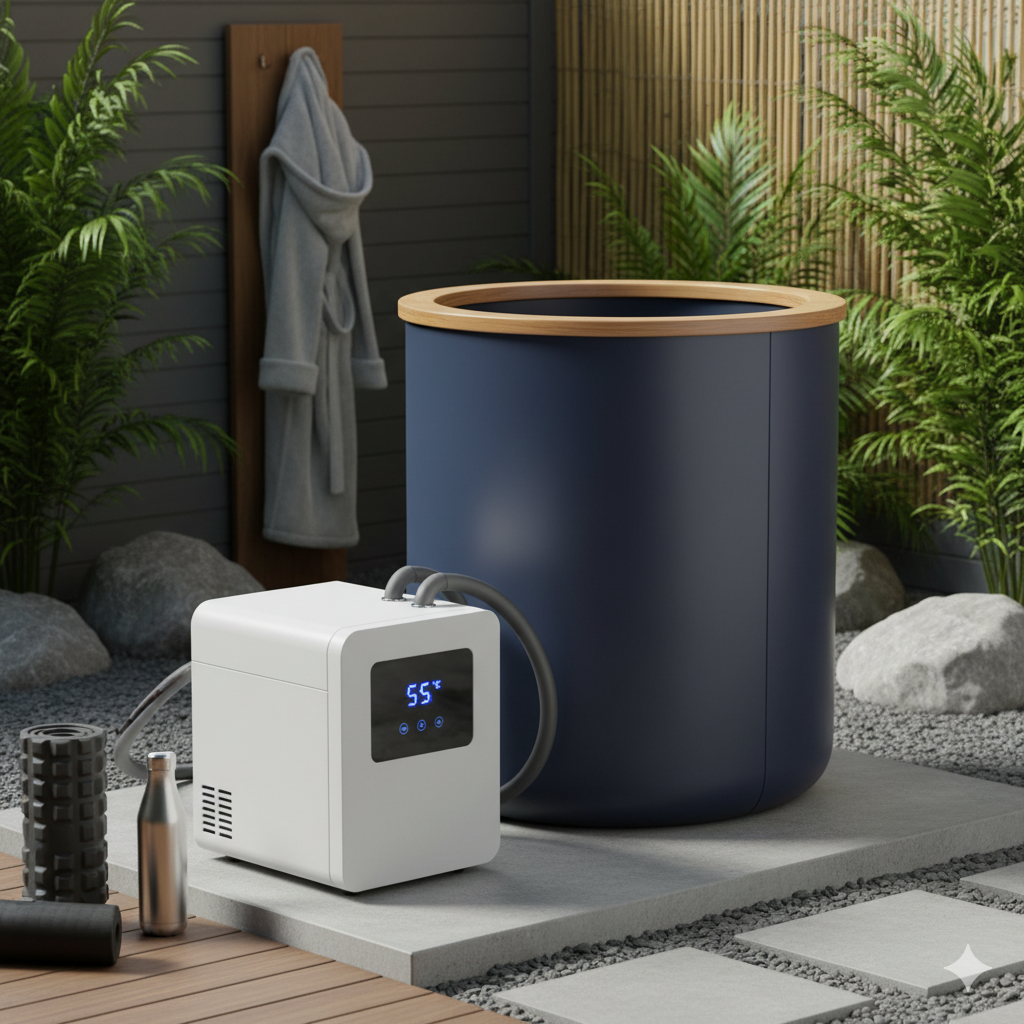
Best cold plunge chiller for beginners is one of the most common searches from home wellness enthusiasts seeking a safe, simple, and reliable way to start cold immersion without the hassle of dumping bags of ice into a tub. Setting up a premium ice bath chiller system at home means you want control, consistency, and a realistic understanding of what these systems can (and cannot) deliver—especially if you’re exploring cold therapy for muscle recovery, energy, or mental clarity.
Key Takeaways
- One clear insight about how home ice bath chillers work in real-world conditions.
- One important consideration beginners should understand before choosing or using a chiller.
- One realistic expectation about results, consistency, or maintenance.
- What Is a Cold Plunge Chiller and Why Does It Matter?
- Step-by-Step Home Use Guide
- Advanced Analysis & Common Pitfalls
- Conclusion
- FAQ
What Is a Cold Plunge Chiller and Why Does It Matter?
A cold plunge chiller is a purpose-built device that cools water to a targeted cold temperature (usually between 37°F and 50°F) and maintains this range for consistent home ice baths—no constant refilling with ice required. For beginners, the best cold plunge chiller is one that reliably keeps water cold with minimal manual effort, is easy to set up and care for, and offers features supporting safety at home.
Unlike filling a bathtub or barrel with ice from the freezer or store, a chiller uses a compressor and advanced insulation to cool and circulate water automatically. Entry-level systems on the US market (like Hydragun Supertub or Polar Monkeys Brainpod) claim to reach 37°F, with premium models going a few degrees lower—but real cooling speed and minimum temperature can vary depending on tub size, insulation, and room conditions [source].
Choosing a chiller over manual ice means you can have an ice bath ready nearly whenever you want, saving time, reducing mess, and achieving more stable temperatures for your recovery routine. However, chillers do require upfront investment, basic maintenance, and honest understanding of their limits.
For beginners, this means less frustration and more consistency, but also realistic expectations: performance will depend on your setup and how regularly you look after the system.
Step-by-Step Home Use Guide
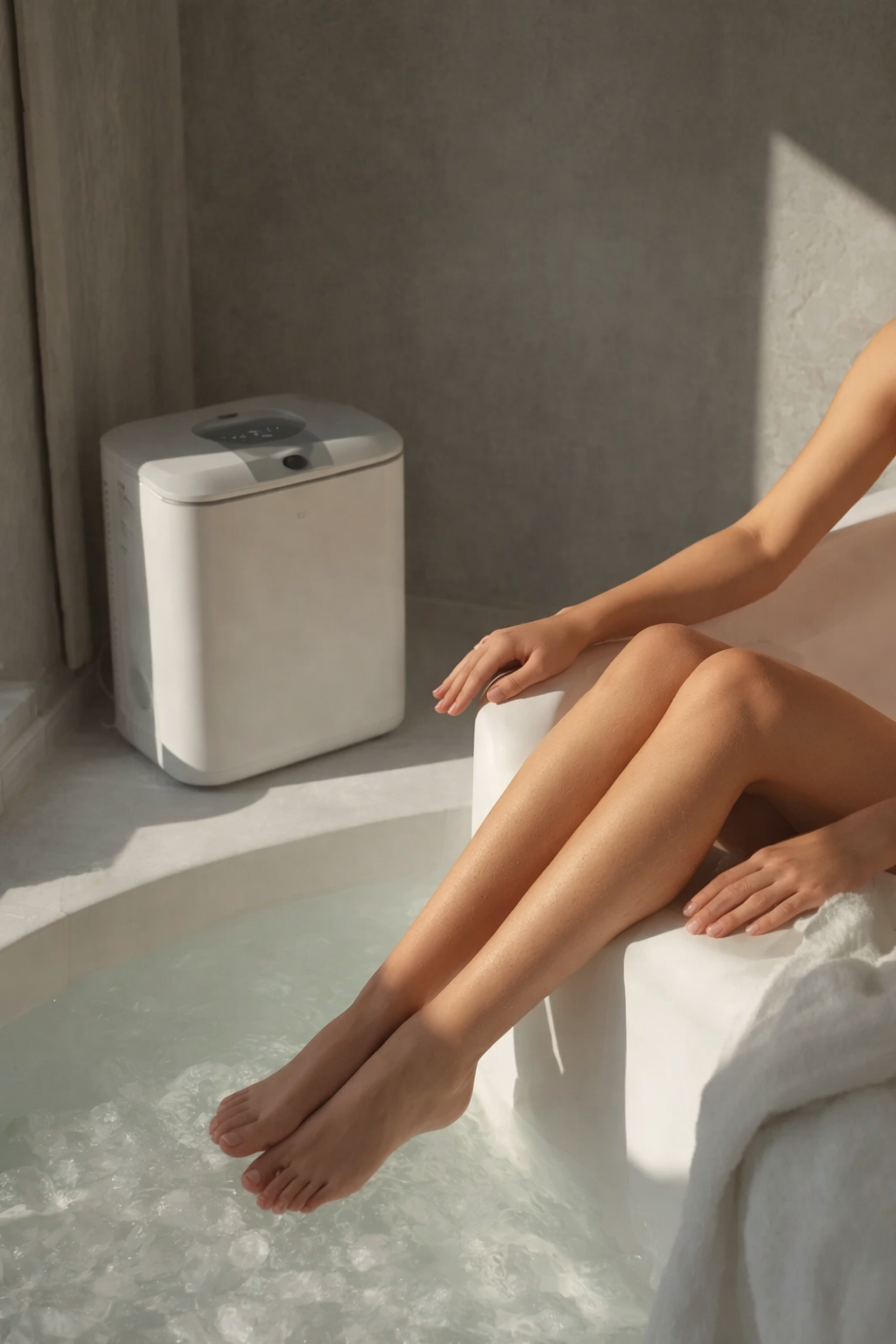
Starting with a best ice bath chillers isn’t complicated, but a few basics matter for safety and results. Here’s a beginner-friendly, proven routine:
- Prepare Your Space: Place your chiller and tub on a stable, level surface. Ensure access to a grounded power outlet. Allow room for ventilation and avoid outdoor placement unless the unit is rated for weather exposure.
- Fill With Clean, Fresh Water: Use a hose or bucket. Most chillers work best with standard tap water and recommend changing water every 2–4 weeks, depending on use.
- Set Your Temperature: Beginners often start around 50°F and gradually work down to the lower 40s. Entry-level chillers typically reach a minimum of 37°F, but ambient temperature and insulation can affect this [review evidence].
- Session Duration: Start with short soaks of 1–3 minutes, never exceeding 10–12 minutes. Listen to your body and exit if you feel numbness or discomfort.
- Session Frequency: Most beginners use ice baths 2–3 times per week. More is not always better.
- Basic Cleaning: Rinse the tub regularly. Wipe down contact surfaces after each session. Run built-in filtration or ozone cycles as recommended by the manufacturer.
- Monitor Water Quality: Check clarity, odor, and any residue. Change water on schedule and inspect filters as needed. Refer to this ice bath water maintenance guide for detailed hygiene routines.
Stick to gradual adaptation, regular cleaning, and simple routines. Never force yourself into temperatures or durations that feel unsafe.
Advanced Analysis & Common Pitfalls
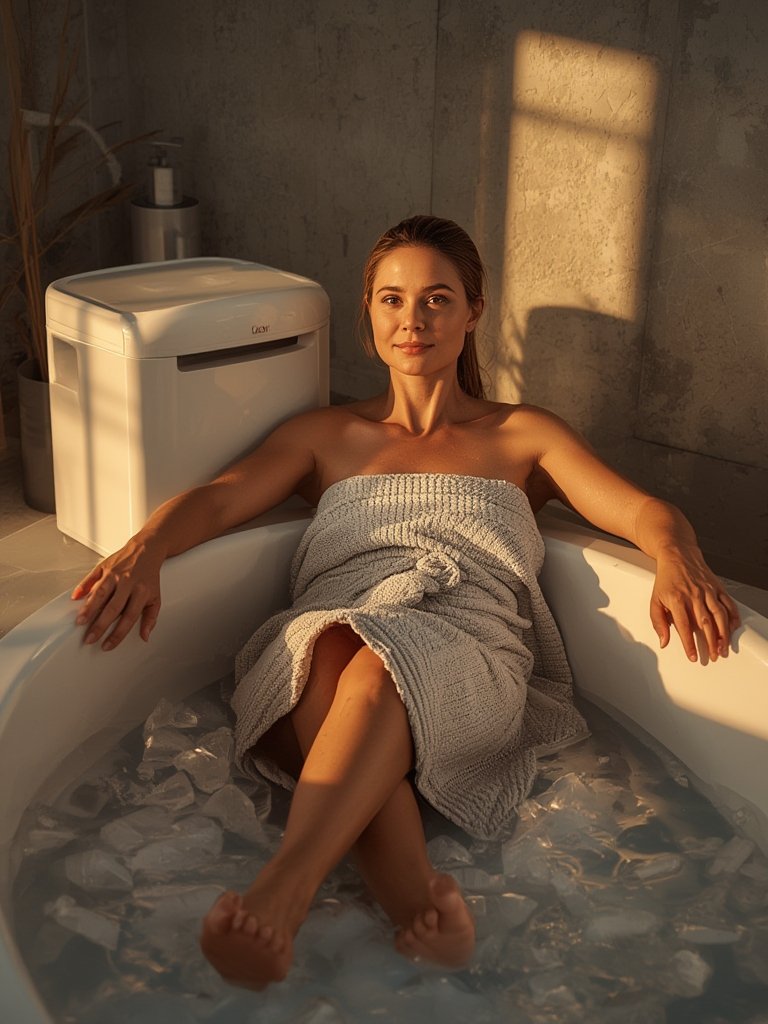
While home ice bath chillers modernize recovery, new users often overlook a range of practical issues. Here’s a neutral look at what really matters—drawn from expert market reviews and evidence:
- Temperature Control: Entry-level and mid-range chillers (0.8 to 1 horsepower) may require several hours to cool water below 40°F in real home conditions—even if advertising suggests faster times. Higher-powered models cool a bit quicker, but both performance and achievable minimums depend on water volume and ambient space [review evidence].
- Noise Levels: Most modern chillers operate at a modest hum, but selecting a model with quality insulation matters if you’re sensitive to sound—especially for indoor spaces.
- Energy Use and Cost: Home chillers are more efficient than improvised “ice dumping” over the long term, due to better insulation and automated cooling [market report]. That said, initial outlay is higher, and electricity use depends on frequency and setup. For measured analysis, see the ice bath without ice cost guide.
- Sanitation and Water Safety: Most beginner models use built-in filtration and optional ozone sanitation. Skipping maintenance or ignoring filter changes leads to cloudy water or unpleasant odors. Premium models boast multi-stage filtration for frequent users [market report]. Maintenance routines are explained in detail in our water maintenance guide.
- Setup and Space: Chillers like the Hydragun Supertub are portable (under 80 pounds) and usable indoors or outdoors, but always consider ventilation and distance to outlets [review].
- Abandonment and Misunderstood Effort: While hard data is limited, the most common reasons for dropping out are daily setup frustration (if you skip cleaning), unrealistic expectations about instant cold, and neglecting maintenance. Basic routine and honest expectations help beginners make ice bathing a lasting habit.
| Feature | Ice Bath Chiller | Manual Ice Method |
|---|---|---|
| Temperature Control | Precise, consistent (typically 37–50°F) | Variable, hard to maintain |
| Setup Effort | Minimal after initial install | Heavy lifting, refilling ice each use |
| Ongoing Cost | Electricity & filter replacement | Frequent ice purchase cost |
| Water Sanitation | Filtration & ozone (on most models) | Requires full drain & refill each use |
| Suitability for Regular Use | Excellent for routines | Cumbersome if used often |
Ultimately, starting cold therapy at home with a chiller is about layering habits—temperature stability helps consistency, but basic cleaning and honest pacing are essential for safety and sustainability. If you’re committed to building a weekly routine and prefer less daily hassle over time, a chiller is likely a good fit.
Conclusion
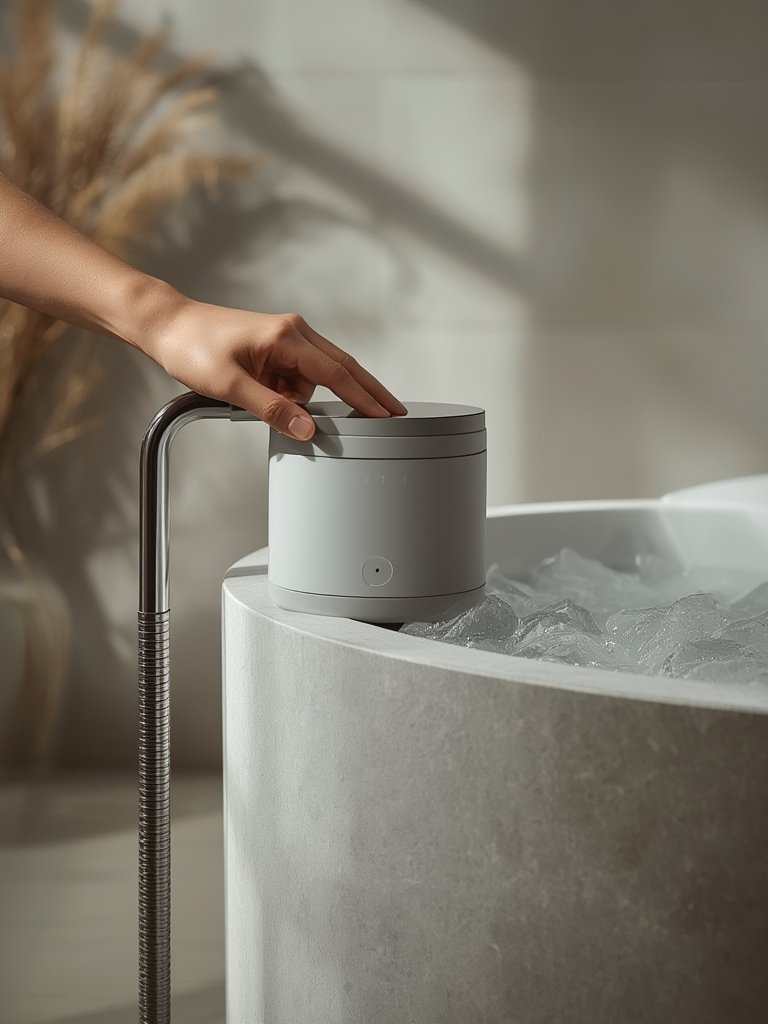
Choosing the best cold plunge chiller for beginners involves practical reflection—balancing upfront investment against long-term control, consistency, and the comfort of home recovery. Manual ice methods work for the occasional plunge, but a dedicated chiller removes most of the setup chaos and gives you safer, on-demand cold with simple habits. Still, no chiller is truly maintenance-free, and results depend on your routine. Take time to compare models, consider your space and commitment, and review care routines before investing in a home system.
If you’re ready to explore further, you’ll find useful comparisons in our guides to the best ice bath chillers under 1000 and premium home use options.
FAQ
Are home ice bath chillers safe for all beginners?
Most healthy adults can safely use a properly installed chiller if they start with moderate temperatures and short sessions. Always check with your doctor if you have cardiovascular or circulation conditions, or if you’re unsure about cold exposure.
What temperature should beginners set on their chiller?
Begin with 50°F to 55°F and adjust lower as you build comfort. There’s no need to rush into colder water. Consistency matters more than extreme cold.
How often should I clean my ice bath chiller and water?
Wipe down the tub after each use, rinse weekly, and run filtration cycles as recommended by the manufacturer. Plan to replace the water every 2–4 weeks for home use, or sooner if use is heavy or clarity changes.
How long and how frequently should beginners use an ice bath?
Most beginners start with 1–3 minute sessions, 2 to 3 times per week. Always listen to your body and increase only as you become comfortable with the routine.
Do chillers use a lot of electricity compared to using ice?
Chillers use moderate power, usually less than a standard space heater, depending on model and frequency. They can be more cost effective in the long run compared to regularly buying large amounts of ice. See our energy use guide for more details.