

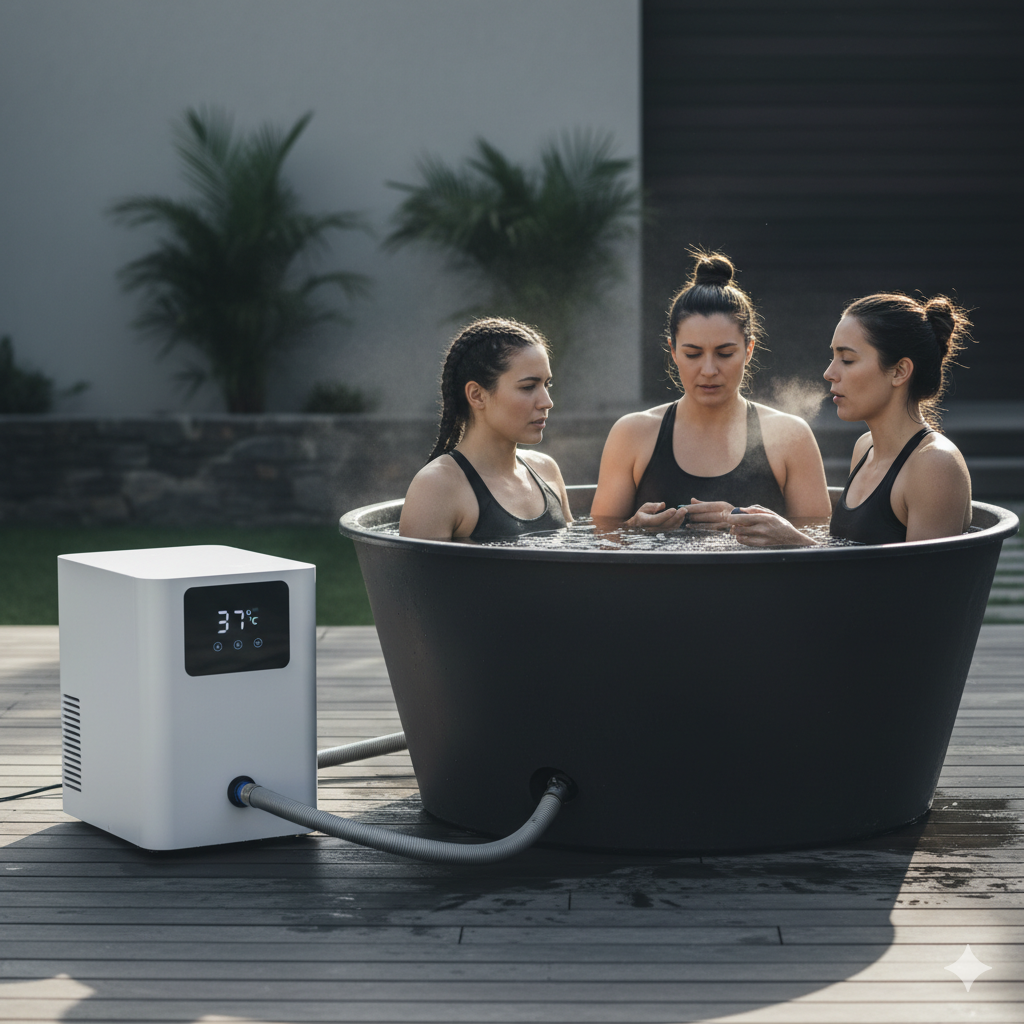
Best ice bath chiller under 1000 is a practical entry point for premium wellness seekers who want reliable cold immersion at home without the ongoing ice cost. Choosing the right affordable chiller means balancing setup simplicity, realistic cooling performance, and year-round safety in your personal recovery space. This guide gives you honest, fact-checked insights—what works, what’s missing, and what you must know before you buy or build your first chiller routine.
Key Takeaways
- One clear insight about how home ice bath chillers work in real-world conditions.
- One important consideration beginners should understand before choosing or using a chiller.
- One realistic expectation about results, consistency, or maintenance.
The Core Concept
“Best ice bath chiller under 1000” refers to budget-friendly home water chillers designed to bring and keep your tub water cold—often in the 39–59°F (4–15°C) range—without you buying or hauling large loads of ice each week. For home wellness enthusiasts, these chillers are an alternative to reusable ice bags or high-maintenance DIY bucket methods. The machine cools and circulates your water, providing repeatable sessions and a consistent recovery experience.
Unlike dropping in ice, a dedicated chiller maintains your set temperature over hours or days with less manual work. Basic models under $1000 typically include hoses, a pump, connections, and a basic filtration option. Your bath or tub must be compatible with the chiller lines, and you’ll need space and an appropriate electrical source.
While manual ice approaches create an initial shock, they are unpredictable and expensive long-term. Chillers lower the effort required, allowing you to focus more on routine and well-being, rather than logistics or cleanup.
For beginners, this means greater consistency—with a realistic level of setup and simple ongoing care.

Step-by-Step Home Use Guide
Ready to use a home ice bath chiller? Here is a calm, practical setup flow—safe for beginners and easy to adapt as you gain confidence and routine:
- Pick a tub and Location
- Pick a tub that fits you comfortably and can connect to your budget chiller’s inlet and outlet hoses.
- Leave at least 3 feet of space around the chiller for ventilation and safety. Avoid wet, confined, or direct-sun locations.
- Initial Assembly and Water Fill
- Wrap threaded chiller connections three times clockwise with PTFE (Teflon) tape for watertight joints.
- Always position gaskets and O-rings before tightening hoses. Hand-tighten only—never use wrenches or over-tighten.
- Install and fill the filter housing (if included) halfway with water before upright installation.
- Use clean, filtered water for best results and less maintenance down the road.
- Electrical Setup
- Use a GFCI electrical outlet with a dedicated breaker if recommended. Keep all plugs and boxes away from moisture.
- Set Your Target Temperature
- For beginners, 50°F–59°F (10–15°C) is challenging but safe. Advanced users may aim for as low as ~39°F (4°C), depending on the chiller’s capability.
- Note: No public third-party data documents real cooling times or lowest achievable temperatures for models under $1000. Expect modest chill strength in warm environments, especially outdoors.
- Session Duration and Frequency
- Start with short 2–4 minute sessions, 2–3 times per week. Build gradually up as comfort and recovery needs allow.
- Monitor your response and exit if you feel lightheaded or overly cold.
- Never use the chiller if you have open wounds or feel unwell. Consult your healthcare provider if unsure.
- For a detailed starter routine, see Ice Bath For Beginners.
- Basic Maintenance After Each Use
- Wipe down the tub surface and check for leaks at hose joints.
- Change/chlorinate the water every 3–4 weeks for home use, or more often in warm/dusty settings.
- Change the chiller filter every 20 sessions or as needed. Inspect pump and fittings for abnormal noises or drips.
- Clean exterior housing/fan every few weeks to prevent dust buildup blocking airflow.
- Never use soap or harsh chemicals in the system—clean with cold water only.
- For water care details, see Ice Bath Water Maintenance.
Consistency and preventive care help maintain safety and performance. Never skip checking gaskets, water level, or filter condition.
💡 Pro Tip: Keep spare gaskets and a new filter on hand—these small parts cause most leaks and flow issues, and fast swaps mean less downtime for your routine.🔥 Hacks & Tricks: Use a handheld thermometer and log your water temps after each session. Patterns help you spot chiller performance dips early and fine-tune session timing to match your comfort and climate.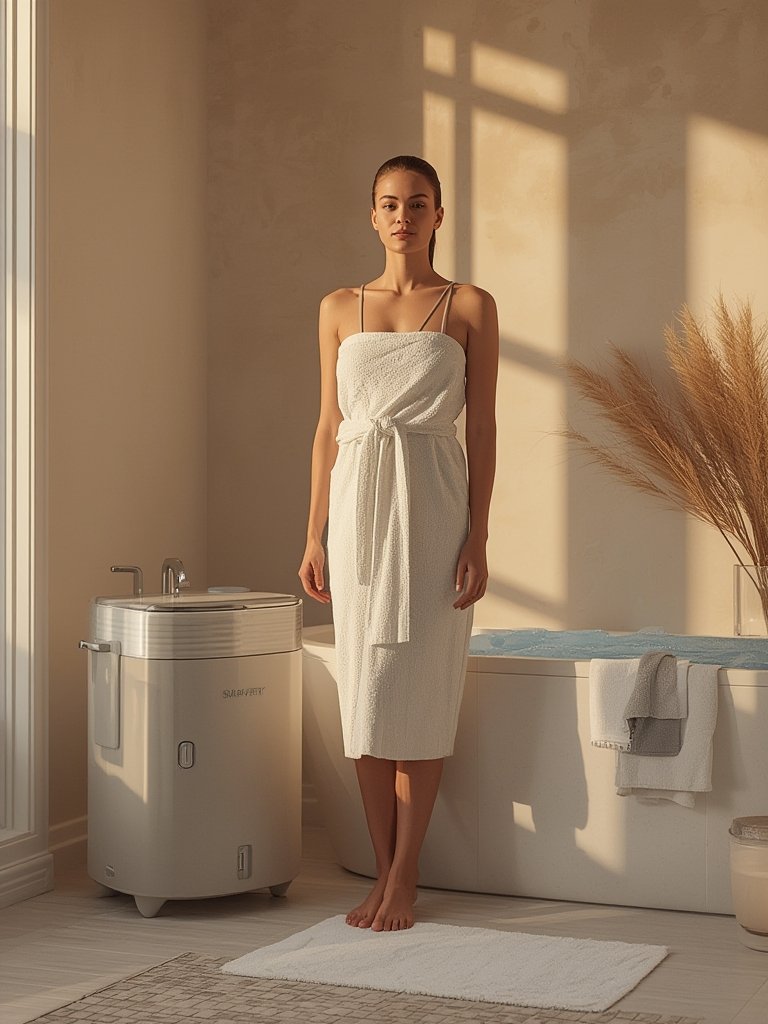
Advanced Analysis & Common Pitfalls
Budget home chillers deliver value, but come with trade-offs and responsibilities that are easy to overlook at the start. Below, you’ll find verified manufacturer guidance and transparent notes about where real-world data is missing or limited.
Noise and Energy Use
Entry-level chillers can be noisy due to pump and fan operation. Manufacturer guides mention that unusual noise signals filter issues, but no decibel ratings are publicly shared. Expect hum comparable to a compact freezer or window AC unit. For energy use, no independent testing is available, but most models require their own electrical circuit and run best if kept free from dust/debris—blocked airflow raises both noise and power draw.
For a practical look at chiller energy habits, see Energy Use Of Ice Bath Chiller.
Cleaning, Maintenance, and Abandonment Traps
Regular water care and filter replacement are non-negotiable for safe, sanitary sessions. Neglect leads to cloudy water, odors, pump strain, and—eventually—complex deep cleaning or chiller breakdown. Stagnant water mandates a full hot-water purge, and failure to winterize can destroy plumbing (damage not covered by warranty).
Most beginner frustration comes from skipped filter changes, overtightening (cracked fittings), or running the unit dry (burned pumps). Always follow setup steps and inspect before each session. For more setup mistakes to avoid, check Ice Bath Mistakes To Avoid.
Warranty, Longevity, and Real Limitations
Standard warranties for chillers under $1000 cover 1 year (Hydro Systems), but not freezing, water chemistry problems, or most user errors. Manufacturers require you to use OEM filters and avoid household soaps. Multi-year durability, failure rates, and long-term cost-of-ownership data are not available at this price point. Expect ongoing consumable and basic repair costs (~$50/year minimum for filters and gaskets).
Comparison Table: Manual Ice vs. Chiller (Sub-$1000)
| Aspect | Manual Ice Method | Budget Chiller |
|---|---|---|
| Initial Cost | Low (~$50–$200) | Medium (~$700–$1000) |
| Ongoing Cost | High (ice purchases) | Medium (electricity, filters) |
| Setup Time | 10–30 min / session | 10–20 min (once) |
| Consistency | Variable | Reliable (when maintained) |
| Sanitation Burden | Drain after each use | Regular monitoring/filter change |
| Biggest Risk | Slippery floors, temp spikes | Leaks, pump damage, poor water care |
Common Abandonment Reasons
- Underestimating cleaning time or supply needs
- Clogged filters or ignored pumps (leading to reduced flow or pump failure)
- Incorrect gasket or O-ring placement (leaks and water damage)
- Wrong outlet or improper electrical setup
- Trying to use outdoors in freezing weather without proper winterization
There is no aggregate data on rates of abandonment, but every major manufacturer’s troubleshooting documentation highlights these preventable mistakes.
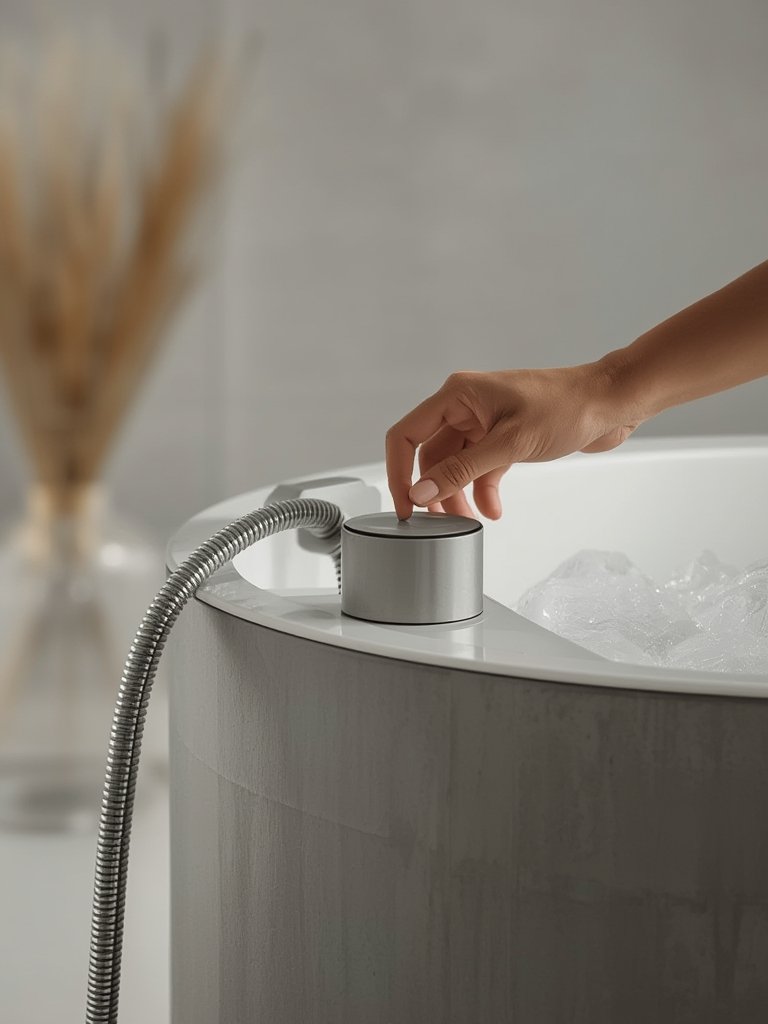
The right home chiller under $1000 is a worthy upgrade for those seeking routine wellness—if you’re prepared for safe installation, regular water/filter maintenance, and understand its performance limits. Consider your space, your willingness to follow water protocols, and your comfort with basic DIY care before investing.
Conclusion
Home wellness enthusiasts searching for the best ice bath chiller under 1000 get a blend of convenience, consistency, and maintenance responsibility. While these systems simplify cold plunging and cost less to run than manual ice, you must manage their water care, routine filter changes, and periodic hardware checks. Accept that cleaning, caution, and sometimes moderate noise are part of the process—especially at budget tiers. If you value steady results and can commit to regular upkeep, a budget-friendly chiller can anchor your at-home recovery routine. Compare, reflect, and seek updated user reviews before you order for long-term wellness satisfaction.
FAQ
Is a budget ice bath chiller safe for home use?
Budget chillers are generally safe when installed with proper electrical precautions, regular filter changes, and maintenance. Always read the manufacturer’s guide before use and never run with dry internals or faulty connections.
What is the safest starting temperature for beginners?
Begin with water temperatures between 50°F and 59°F (10–15°C). Lower temperatures increase cold shock risk. Build comfort and tolerance gradually over multiple sessions.
How often should I clean or maintain a home chiller?
Wipe surfaces and check for leaks after every use. Change the filter every 20 plunges or sooner if water clarity drops. Replace all water every 3–4 weeks and routinely wipe down the exterior and fan housing.
Can I use a chiller outdoors year-round?
Most budget chillers should not be exposed to freezing weather unless properly drained and winterized. Plumbing or chiller damage from freezing is usually not covered under warranty.
Who should not use a home ice bath chiller?
Individuals with heart conditions, uncontrolled blood pressure, or certain chronic illnesses should speak to their healthcare provider before starting cold immersion. Cold exposure is not suitable for children without medical supervision.