

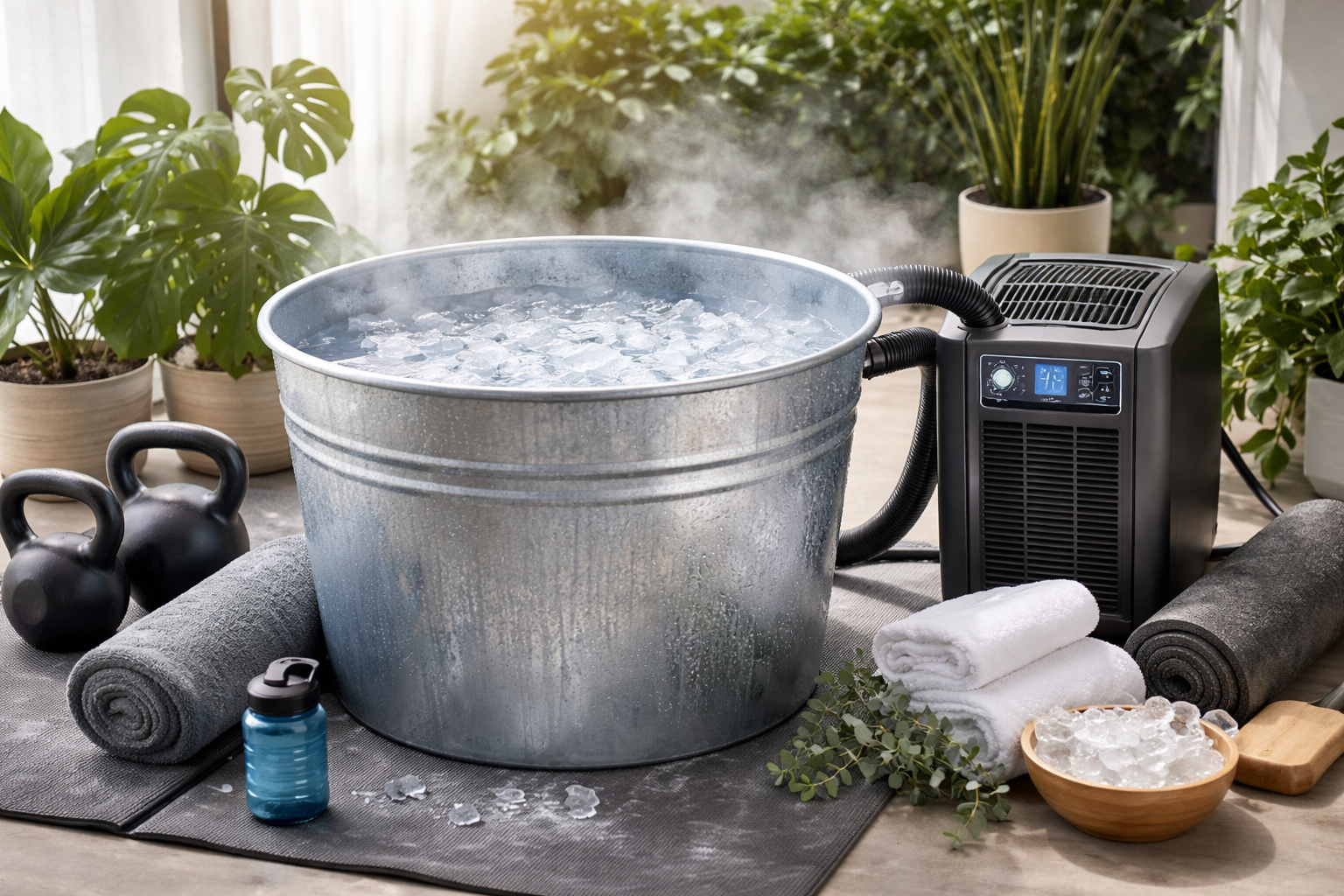
Energy use of ice bath chiller is one of the most important factors to evaluate when considering a premium at-home recovery setup. For anyone building consistent wellness routines, understanding how much electricity a home ice bath chiller uses—plus what that means for real monthly bills, installation, and practical use—can help you make a more confident and realistic decision. This guide provides calm, evidence-based answers for new and intermediate buyers based on measured lab data, industry sources, and real home recovery results.
Key Takeaways
- Home ice bath chillers consume far less electricity than running at full power all day, thanks to controlled cooling cycles.
- Beginner users should check their home’s electrical circuit capacity and consider local energy rates before installing a chiller.
- Regular cleaning and maintenance are essential to keep daily energy use, temperature consistency, and results predictable over time.
- Understanding Energy Use of Ice Bath Chiller (The Core Concept)
- Step-by-Step Home Use Guide
- Advanced Analysis & Common Pitfalls
- Conclusion
- FAQ
Understanding Energy Use of Ice Bath Chiller (The Core Concept)
Energy use of ice bath chiller systems refers to the actual amount of electricity your device draws during routine operation. In simple terms, this is measured in kilowatt-hours (kWh), and your monthly electricity bill reflects both how power-hungry the chiller is and how often you use it.
Unlike pouring bags of ice into a tub, a dedicated home chiller pulls heat out of water using a compressor (much like an air conditioner or fridge). Most home units consume between 500 and 1,000 watts while actively cooling, but they cycle on and off rather than running all day at maximum. On average, daily use typically means 3–6 kWh for mid-sized chillers, or about $20–$60 per month for most US households.
The main difference between a chiller and old-school ice is stability and convenience. A chiller maintains your target temperature, so you don’t have to shop for ice, but it requires a modest, predictable energy input. This ongoing use is far lower than many people expect and significantly less than the cost of buying ice for every session.
For beginners: the real-world energy use of a home chiller is far lower than the sticker wattage suggests—and staying consistent with cleaning and monitoring is what keeps it that way.
Step-by-Step Home Use Guide
This step-by-step process will help you safely and efficiently use your home ice bath chiller as a beginner or intermediate user. Following these fundamental routines keeps your sessions safe, comfortable, and energy-wise.
1. Preparing Your Setup
- Ensure you have a dedicated, grounded power socket (typically 120V, 10–15 amps for most models).
- Position the chiller with good space for ventilation and away from direct sunlight.
- Fill your tub with clean water to the recommended level—avoid overfilling, which strains the system.
2. Setting Temperature
- Program your target temperature, typically 10–15°C (50–59°F) for beginners. Advanced users may adjust lower, but always start conservatively.
- Let the chiller run its initial cooling phase (usually 2–5 hours for full-size baths); initial power draw will be higher during this phase.
3. Session Timing & Frequency
- Begin with short, 2–5 minute sessions. Gradually build up as your body adjusts.
- Most users target 2–4 sessions per week. Listen to your body and never force daily sessions unnecessarily.
4. Safety & Entry
- Enter the tub slowly. Have a towel and dry clothes ready for after your session.
- If you feel dizzy or out of breath, exit immediately and warm up.
5. Cleaning & Maintenance
- Clean your tub and change the water frequently to prevent buildup and keep the system energy-efficient.
- Wipe down exterior and check that inlets and outlets are free from debris after each use.
Beginner tip: safe and consistent home use is about creating repeatable habits—not chasing ultra-cold extremes or session records.
💡 Pro Tip: Set your chiller to cool water gradually overnight or during off-peak hours—this reduces compressor stress, lowers your energy rates, and means your tub is always ready for a morning plunge.🔥 Hacks & Tricks: Place your chiller and tub in a shaded, ventilated area away from heat sources. Good placement can cut monthly electricity costs by up to 30%, especially in warmer weather.
Advanced Analysis & Common Pitfalls
Even with premium, well-made chillers, there are predictable challenges and misunderstandings that catch many new users off guard. Knowing these in advance helps you budget, plan your setup, and prevent frustration.
Fact: Home Ice Bath Chillers Use Active Cooling Cycles
Most home chillers only run the compressor when water temperature rises above your set point, then rest. Real-world monthly consumption averages 150–225 kWh for medium and large units—much less than if run at maximum power continuously, and typically well under $60/month. Many beginners assume costs will “skyrocket,” but in practice they are far less than buying ice for each plunge.
Common Practical Issues & Pitfalls
- Noise: All chillers create some operational sound. While lab decibel data is not always disclosed, most models are similar to a mini-fridge or portable AC. If you are very sensitive to sound, don’t install in a bedroom or quiet yoga space.
- Heat Output: The compressor expels warm air as it runs, so install in a ventilated space. Unventilated areas get warm, raising electricity use and slowing cooling (see this guide).
- Cleaning Effort: Inconsistent water or filter maintenance reduces energy efficiency and can lead to hygiene problems. Weekly cleaning is a realistic baseline for most households.
- Underestimating Space: Many tubs and chillers need more room than expected for safe airflow and access to plugs and drainage. Measure your area before purchasing.
- Installation Errors: Using incorrect outlets or extension cords can cause shutdowns or overloads. Always follow the manufacturer’s electrical recommendations.
Comparison Table: Ice Bath Chiller vs. Manual Ice
| Feature | Chiller System | Manual Ice |
|---|---|---|
| Electricity Cost (monthly, typical use) | $20–$60 (see data) | $80–$180+ (ice purchase) |
| Convenience | temperature always ready | Prep each session |
| Noise/Heat Output | Moderate noise; needs ventilation | Silent; no heat |
| Space Needed | Tub plus compressor footprint | Just tub/basin |
| Cleaning Frequency | Weekly recommended | Change water after most uses |
Beginner Cautions and Expectations
No device is “set and forget”—successful users stay on top of cleaning and regularly check for signs of buildup or inefficient cooling. Actual abandonment rates are not well documented in public sources, but anecdotal reports suggest most issues stem from unrealistic maintenance expectations or surprise at space/noise levels. Review common mistakes to avoid for peace of mind.
Summary for new users: If you have a dedicated space, can clean regularly, and understand your energy budget, a chiller can make cold immersion practical and consistent—but it is not a “zero effort” upgrade.
Conclusion
Today’s home ice bath chillers are more energy-efficient and practical than ever, making at-home recovery routines accessible without constant ice runs. Choosing the right system means understanding real-world energy use of ice bath chiller technology, your own usage habits, and the setup and maintenance required. Monthly electricity costs are typically modest, but planning installation, ventilation, and ongoing cleaning is essential for consistent results. If you’re considering a cold plunge chiller, compare models, measure your space, and reflect on how much effort you want to put into maintenance versus convenience. For further insights, explore our full cost breakdown here.
FAQ
Is it safe to install an ice bath chiller in a typical home outlet?
Most modern chillers are designed for standard 120V outlets drawing under 10–12 amps. Confirm your home’s circuit can handle the load and always use grounded sockets as recommended in the manual.
What is the best water temperature for beginners?
Start with a target water temperature between 10–15°C (50–59°F). Allow your body time to adapt before lowering the temperature further.
How often should I clean my ice bath chiller and tub?
Weekly cleaning and frequent water changes are recommended for most home users. Check for visible buildup and monitor system performance—cleaning keeps the chiller running efficiently and safely.
How many times per week should I use an ice bath at home?
For most people, 2–4 sessions per week is enough for routine recovery. Daily use is possible but not usually necessary—prioritize consistency over frequency.
Who should avoid using an ice bath chiller?
Anyone with circulatory issues, serious heart conditions, or who is pregnant should consult a healthcare provider before using cold plunges—chillers are not universally suitable.