

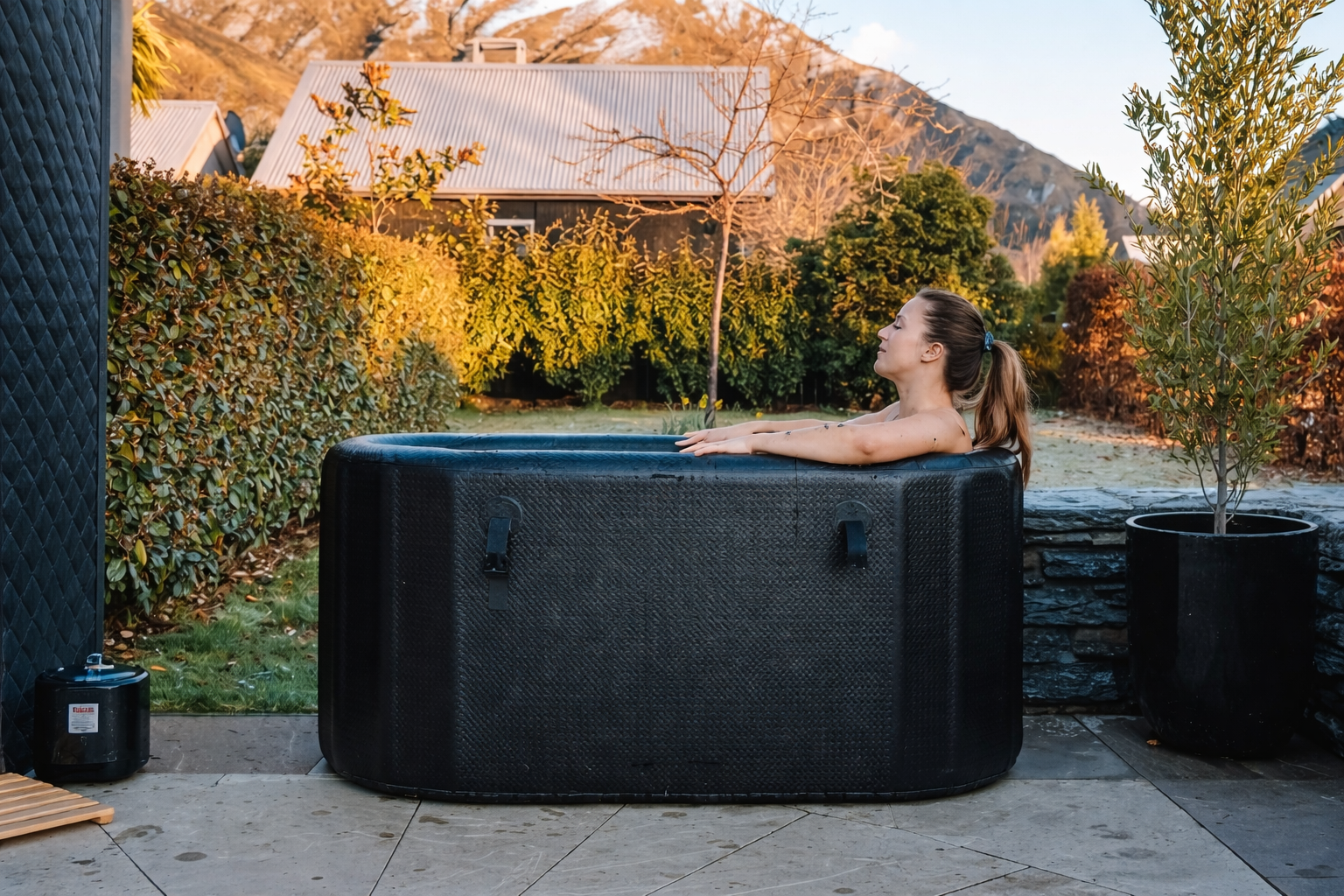
How does an ice bath chiller work is one of the most common questions for anyone considering premium at-home wellness and recovery. Reliable cold plunging relies on equipment that can deliver consistent, safe cold water without the unpredictable effort and mess of dumping ice bags into a tub. For beginners and intermediate users exploring home ice bath chiller systems, understanding how these chillers operate—and what it actually takes to use and maintain one—makes all the difference in choosing the right path for recovery.
Key Takeaways
- Home ice bath chillers use a closed-loop refrigeration cycle to consistently maintain low water temperatures between 3–10°C (37–50°F).
- Beginners should prepare for regular maintenance, including cleaning filters and checking for leaks, to ensure safe and reliable operation.
- Expect some setup effort, ongoing monitoring, and noise—these systems are not fully “set and forget.”
The Core Concept
At its simplest, “how does an ice bath chiller work” means understanding how these devices deliver cold water, on demand, for home recovery rituals. Unlike filling your tub with ice, a dedicated ice bath chiller is designed to repeatedly cool and circulate water to a precise low temperature using modern refrigeration technology.
An ice bath chiller moves water from your tub or plunge through a filtration system and tightly controlled cooling components. The water is cooled as it passes through the evaporator, where a refrigerant absorbs heat. Then, the chilled water is returned to your tub. The process cycles continuously, keeping water consistently cold and ready for use—no melting ice, no guessing about temperatures, just steady, reliable cooling. This closed-loop cycle is similar to what keeps a home refrigerator cold, but designed for larger volumes of water and repeat use within a range safe for the body.
Compared to manual methods, chillers eliminate many variables—no more running for ice bags, manually stirring, or struggling with inconsistent results. For anyone serious about at-home recovery, this means less hassle and a quicker, smoother setup each time.
In short, choosing a chiller is about replacing unpredictability with control—but beginners should expect to learn about basic maintenance, water hygiene, and safe use to get the most consistent results.

Step-by-Step Home Use Guide
Using a cold plunge tub ice bath chiller is more approachable than you might think, especially if you follow a clear and careful process focused on safety, consistency, and hygiene. Here is a step-by-step guide for smooth, confident use:
1. Preparation
- Set up your cold plunge tub in a well-ventilated area, ensuring it sits on a stable surface with access to water drainage.
- Fill the tub with cold, filtered hose water to the recommended level—usually enough to submerge your shoulders.
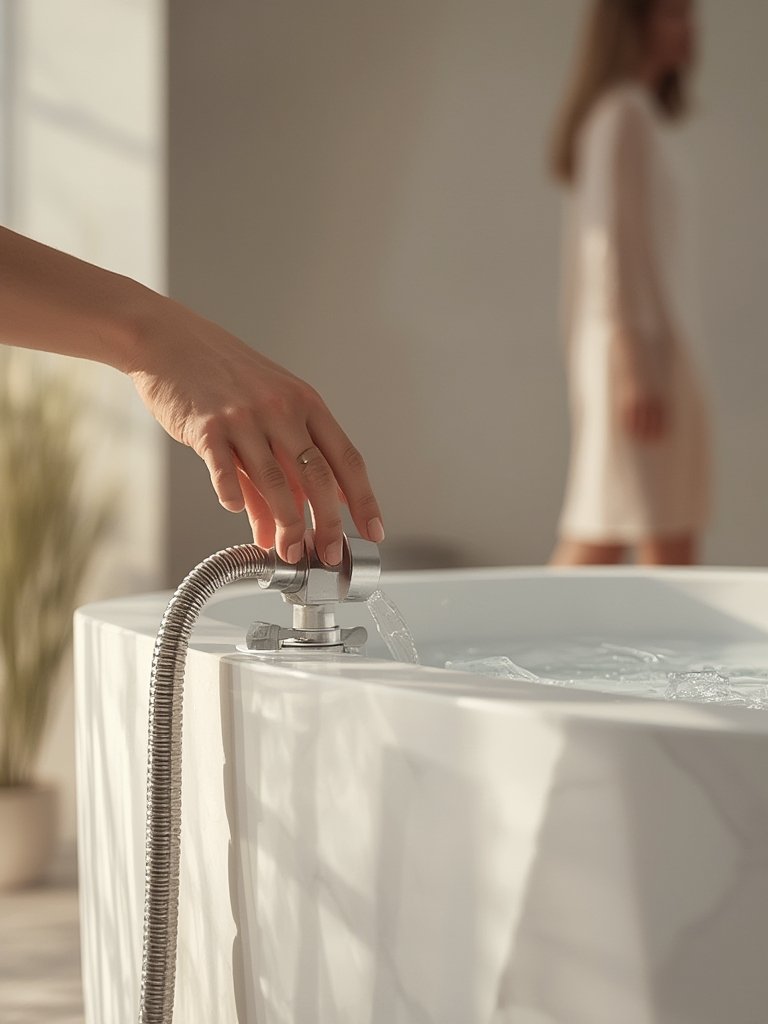
- Connect the chiller’s inlet and outlet hoses securely, double-check for firm, watertight connections, and confirm electrical safety (including proper GFCI outlets if advised).
2. Initial Cooling
- Power on the chiller system and set your desired temperature, commonly between 3–10°C (37–50°F) for cold exposure.
- Allow the chiller to run for the initial cool-down. Depending on ambient conditions and water volume, this may take 1–3 hours or more.
3. Using Your Ice Bath
- Test the water temperature before entering. Beginners often start at the higher end of the range or adjust to comfort and safety.
- Limit sessions to 2–5 minutes for your first exposures, building up slowly as you become accustomed to the cold.
- Never use a cold tub alone, and pause if you experience dizziness, numbness, or discomfort. Keep a towel and warm clothing nearby for rewarming after exiting.
4. Maintaining Cleanliness
- After each use, skim out any floating debris. Clean and change the water regularly as recommended by the manufacturer—usually every 1–2 weeks for frequent use.
- Rinse or replace filters as needed to prevent clogs and keep the chiller running efficiently (neglecting this may cause breakdowns).
- Wipe down tub surfaces and inspect hoses and fittings for leaks or cracks after every few sessions.
5. Frequency for Consistent Recovery
- Most users start with 2–4 sessions per week. Recovery and comfort should guide your routine, not just intensity.
- Monitor how your body responds and stay flexible—consistency matters more than duration for long-term success.
For beginners, a good routine means starting simple, prioritizing safety, and respecting your body’s limits. Regular cleaning and basic checks will help protect your investment and ensure sanitation.
💡 Pro Tip: Place a digital aquarium thermometer in the tub to monitor water temperature visually before every plunge—this helps you track consistency and avoid accidental overcooling.🔥 Hacks & Tricks: Add a weekly calendar reminder for filter checks and hose inspections. A simple “maintenance Sunday” habit can prevent many early equipment failures.

Advanced Analysis & Common Pitfalls
Many first-time users start with high expectations, only to find that a home ice bath chiller requires attention to detail and ongoing care. Here’s a closer look at the real factors that shape your experience:
Noise & Energy Use
Most home chillers use rotary compressors and small pumps, which can generate moderate white-noise humming while running—especially in enclosed or echo-prone spaces. While brands promise energy efficiency and cooling power down to 3–10°C, little independent testing is published to confirm precise noise or power consumption in the typical home. If you value a silent environment or need to plunge in small indoor spaces, weigh this aspect carefully.
Cleaning & Filter Checks
Neglecting filter maintenance is the most common cause of system issues. Dirty filters block water flow, reduce cooling performance, and strain the pump. Surface debris should be skimmed after every use, and filters rinsed or replaced per manual guidance. Also, empty condensation trays or drains regularly to prevent water buildup around the unit.
Common Reasons for Frustration or Abandonment
- Water leaks from loose hose connections or cracked parts
- System shutdowns from overheating (often caused by blocked ventilation or clogged filters)
- Ice buildup when the unit is set below recommended temperatures or left running with reduced flow
- Space and noise don’t match user lifestyles or expectations
Most beginners underestimate the regular commitment needed for cleaning, draining or refilling, and inspection. These ongoing tasks can become tedious if overlooked or if the user expects the experience to be entirely “hands-off.”
| Factor | Reality | What to Watch for |
|---|---|---|
| Cooling Power | Most units reach 3–10°C, but speed varies by volume and ambient temperature. | Allow for several hours on first use; maintain chiller between uses for best results. |
| Noise | Moderate compressor hum, noticeable indoors. | Install on sound-dampening mats or in non-sleeping areas. |
| Maintenance | Weekly filter checks, frequent surface cleaning, regular water changes. | Set reminders; keep extra filters on hand; avoid skipping drain/clean cycles. |
| Space Needs | Requires dedicated floor space with access to power, air flow, and drainage. | Measure before you buy; ensure proper ventilation so the unit does not overheat. |
Being aware of these issues before you buy can help prevent frustration and ensure successful long-term use. If you want a fully “maintenance-free” solution, a chiller may not match your expectations, but if you are ready to create a habit and follow a few simple checks, the system can be reliable and effective for home recovery.
For broader context, you can deepen your understanding of how cold tubs work or review detailed operating principles described by manufacturers such as Koncool and Springvive.
For maintenance best practices, see the practical ice bath chiller guide.
If you are just learning about the benefits or practical setup of home cold plunging, consider this beginner’s guide to home cold plunge.
Conclusion
Understanding the step-by-step functioning of premium home ice bath chillers helps set realistic expectations for daily use, comfort, and upkeep. While chillers offer consistent cold water for recovery, they do require thoughtful setup, regular cleaning, and basic mechanical checks. By asking “how does an ice bath chiller work” and paying attention to honest limitations and routines, you can make a more informed decision and enjoy the advantages of cold exposure recovery with fewer surprises. Always compare models, consider your available time for care, and take the next step with informed research.
FAQ Section
Are home ice bath chillers safe for beginners?
Yes, when used according to manufacturer instructions and basic safety guidelines. Always check the water temperature, never use a chiller alone, and limit session length as you build tolerance.
What is the best temperature to use for a home ice bath chiller?
Most users set their chiller between 3–10°C (37–50°F). Beginners typically start closer to 10°C and adjust as they get used to the cold.
How often should I clean or change the water?
Plan to skim debris after each use and change the water every 1–2 weeks, or as recommended for your setup. Also, check and clean filters regularly for safe and effective operation.
How loud are ice bath chillers?
Most create a moderate humming sound when running, similar to a small air conditioner or dehumidifier. Consider your space and tolerance before installing indoors.
Who should avoid using an ice bath chiller at home?
Anyone with cardiovascular conditions, poor circulation, or concerns about cold exposure should consult a healthcare provider before beginning ice bath routines.