


home ice bath chiller frequency guide is essential knowledge for anyone building a safe and sustainable recovery routine with a premium home ice bath chiller system. For wellness-focused users, understanding how often and how long to use your cold plunge—without overdoing it—ensures not just optimal recovery but also protects your investment and your well-being. This guide brings clear, evidence-based advice with realistic expectations for results, maintenance, and overall experience in a modern home setup.
Key Takeaways
- Home ice bath chillers keep water at a steady cold temperature without daily ice runs, but require regular basic cleaning for safe results.
- Beginners should start slow with shorter, warmer sessions and gradually adjust frequency as tolerated—rushing the process raises safety and comfort risks.
- Consistency and realistic expectations—not marathon long plunges—give sustainable wellness benefits. Maintenance and noise are real factors to weigh.
- The Core Concept: What Is an Ice Bath Frequency Guide?
- Step-by-Step Home Use Guide
- Advanced Analysis & Common Pitfalls
- Conclusion
- FAQ
The Core Concept: What Is an Ice Bath Frequency Guide?
An ice bath frequency guide outlines how often, how long, and at what temperatures you should use a home ice bath chiller for safe and effective recovery. In premium home wellness settings, this guidance is especially important—not only for maximizing benefits but also to avoid unwanted side effects or wasted effort.
Unlike filling bathtubs with bags of ice, a dedicated ice bath chiller offers controlled cooling, filtration, and consistent temperatures between 50° to 59°F (10° to 15°C) at the push of a button. This makes routines more sustainable, but also raises new questions about session timing, hygiene, setup, and ongoing care—topics not always addressed by basic athletic recovery advice.
For beginners, getting the frequency right is less about pushing limits and more about building a routine that is realistic and repeatable at home. That’s where an evidence-based frequency guide is essential.
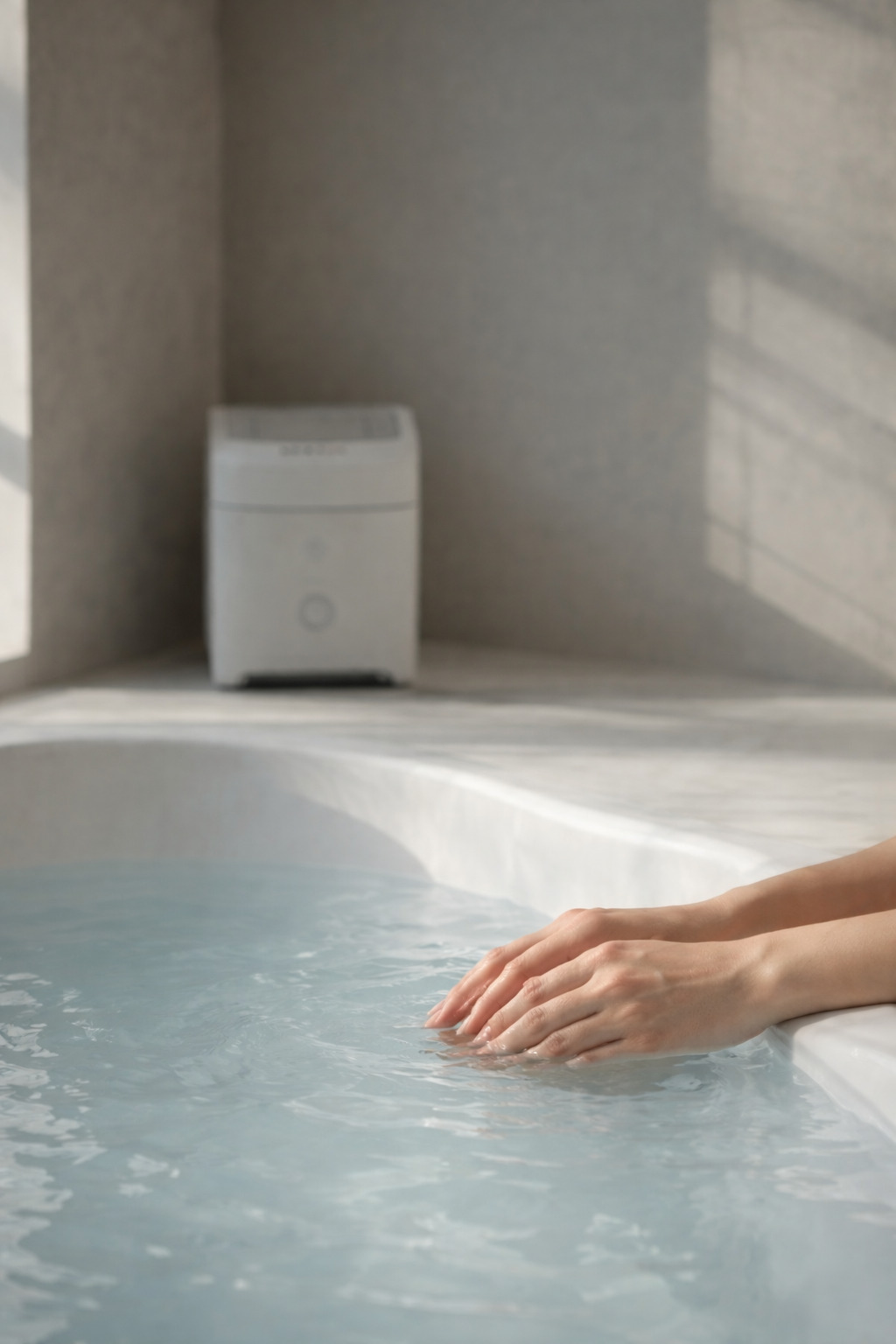
In plain terms: If you’re new to ice bath chillers, start modestly—both in how cold and how often. Prioritize safety, comfort, and long-term sustainability over chasing dramatic results.
Step-by-Step Home Use Guide
Building a resilient and effective home recovery routine with an ice bath chiller means having practical, stepwise instructions. Below is a beginner-focused guide to safe and realistic use:
- Preparation: Make sure your chiller’s tub is clean and the water is filtered. If you’re new, ask someone to be nearby for safety during your first few sessions.
- Temperature Range: For safety and comfort, set the water to 59°F (15°C) for your first session. Over weeks, as you adjust, aim for the target range of 50–59°F (10–15°C), but avoid dropping below 50°F for most users.
More on safe temperature strategy: Ice Bath Temperature Guide. - Session Duration: Start with 1–5 minute plunges. As you gain confidence over several sessions, aim for 5–10 minutes, with a research-backed maximum session length of 15 minutes. There is no extra benefit from longer exposures and risks increase past 15 minutes.
For optimal recovery, use the shortest exposure that feels effective. - Frequency: For beginners, once weekly is enough. As your body adapts, you can progress to 2–3 times per week.
Consistent 2–3 times weekly use supports recovery, but daily cold plunging may reduce muscle growth if done immediately after strength workouts.
Details for safe frequency: Nike: Ice Bath Recovery Frequency - Post-Session: Dry off and warm up slowly. Avoid immediate hot showers. Allow your core temperature to normalize before using heat.
- Basic Cleaning: Clean your tub weekly and change the water every 1–2 weeks. Use the chiller’s recommended filter and sanitizer to minimize bacteria or biofilm build-up. For detailed cleaning routines, see: Ice Bath Chiller Without Ice.
Begin each session slowly and do not exceed your comfort limits—slower adaptation yields better safety and long-term benefits.
To recap: cold plunge chillers are most effective when you start conservatively, ramp up only as you adapt, and commit to regular—but not excessive—use. Consistency and care matter more than bravado.
Advanced Analysis & Common Pitfalls
While ice bath chillers simplify the process compared to old-school ice bags, real-world feedback reveals several hidden hurdles and beginner pitfalls. Before you invest, consider these key issues:
| Aspect | Home Ice Bath Chiller | Manual Ice Bath |
|---|---|---|
| Temperature Consistency | Precise (50–59°F), set-and-forget | Variable, dependent on ice melting |
| Maintenance Routine | Regular filter changes, weekly cleaning, potential for biofilm buildup if neglected | Drain-and-wash after every use; less filtration concern |
| Noise & Energy | Noise & Energy | Silent (but melting ice can make a mess) |
| Convenience | Much faster and more convenient once set up | Labor-intensive (hauling ice, prepping water each session) |
| User Abandonment | Sometimes due to maintenance fatigue or noise sensitivity | High if ice supply becomes unsustainable |
Real-world limitations:
- Maintenance Burden: Most chillers need a weekly clean, regular filter swaps, and monthly deep cleaning. Skipping this can lead to water cloudiness or unwanted odors.
- Noise: Even premium models emit sound when cooling—plan room placement accordingly if you value quiet spaces.
- Energy Use: Chillers do consume electricity, though more efficiently than running multiple ice machines or freezers.
- Space & Setup: Allow ample space for the tub, chiller unit, and access to electrical outlets. Ensure your home’s wiring meets standard safety requirements, as outlined in the unit’s manual.
More build and safety tips: How Does an Ice Bath Chiller Work - Dropout Reasons: Many beginners stop regular use if cleaning feels daunting, the noise is distracting, or if setup disrupts their routine. Motivation can wane without a sustainable cadence. Read more about common errors: Ice Bath Mistakes To Avoid
Before committing to a home ice bath chiller, carefully assess how much time and attention you can realistically dedicate to upkeep and where you will place the unit. This honest review helps prevent regret or wasted money.
If your lifestyle allows for regular cleaning and a bit of noise, a dedicated chiller system can make cold plunging practical—but it is not “maintenance free” or silent. Start slow, monitor your comfort, and adapt based on lived experience.
Conclusion
Choosing the right ice bath frequency guide is about balancing safety, personal comfort, and real-world habits—not chasing extremes. Evidence-based routines, combined with a realistic understanding of equipment maintenance and home fit, lead to better long-term results and continued use. Consider your needs, your environment, and your willingness for regular maintenance before buying. For a deeper dive on routines and costs, see Ice Bath Without Ice Cost: Save With a Proven Chiller Strategy. Always consult additional authoritative sources and compare user experiences before deciding what works best for your home recovery goals.
FAQ
How often should a beginner use a home ice bath chiller?
Start with one session per week and gradually increase to 2–3 times weekly as you adapt. For most, this provides safe and sustainable benefits.
What temperature is safe for a home ice bath?
The safe temperature range is 50–59°F (10–15°C). Most people should start at the higher end and only go colder as tolerated over weeks.
How long should I stay in an ice bath at home?
Begin with 1–5 minute sessions. As your body adapts, you can progress towards 5–10 minutes. Never exceed 15 minutes per session.
How do I maintain and clean a home ice bath chiller?
Change water every 1–2 weeks, clean the tub weekly, and follow your chiller’s instructions for filter and sanitizer use. Routine cleaning keeps water clear and safe.
Who should avoid using home ice bath chillers?
People with cardiovascular conditions, nerve disorders, or diabetes with neuropathy should consult a clinician before starting. Do not use alone the first time for safety.