

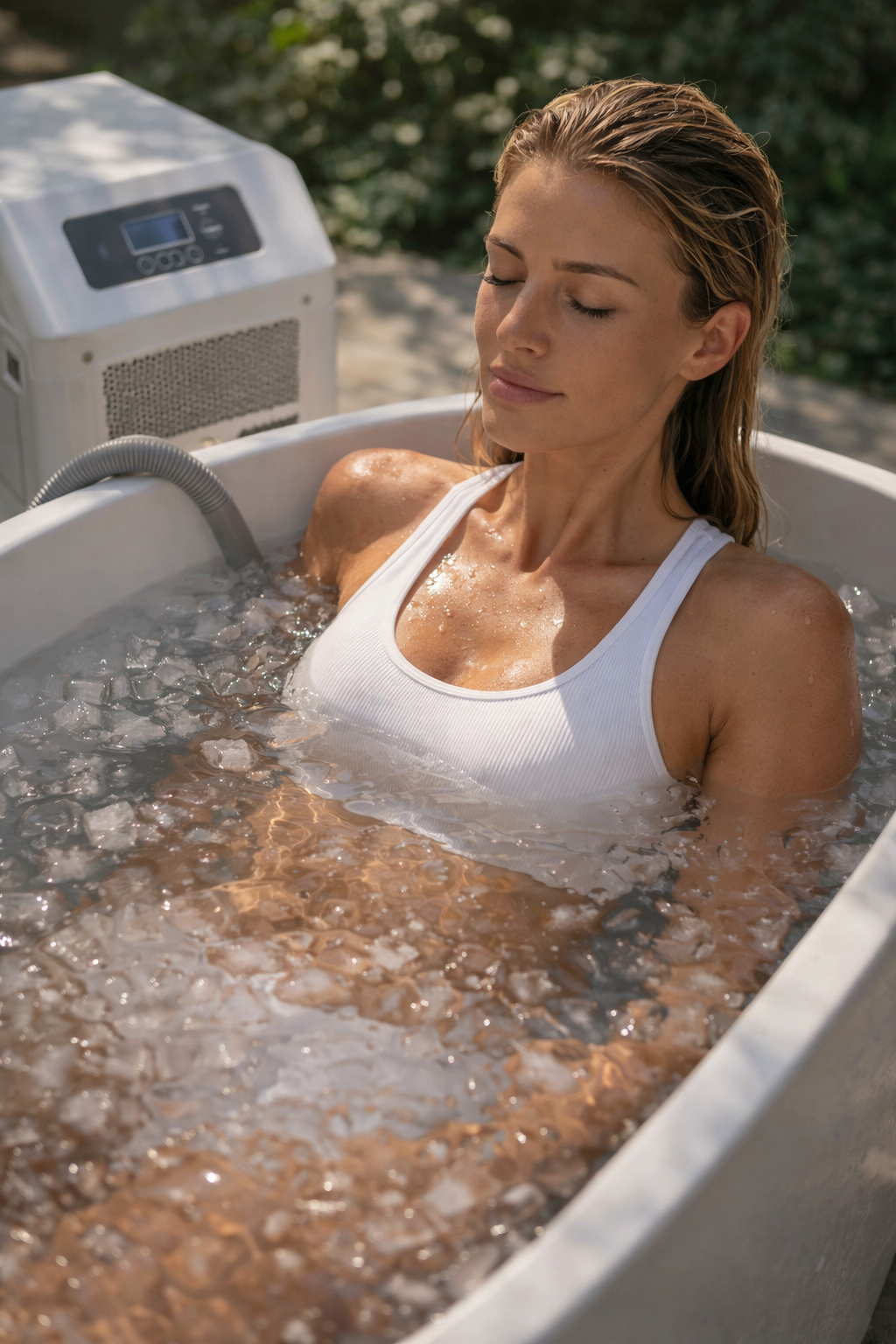
Ice bath mistakes to avoid are a major concern for anyone exploring premium home wellness routines using ice bath chillers. With more people investing in at-home recovery, misunderstandings about proper setup, safe use, and maintenance can lead to frustration, wasted time, and unnecessary costs. This guide delivers clear, honest advice for beginners and intermediates considering a home ice bath chiller, helping you minimize risks and maximize recovery benefits with confidence.
Key Takeaways
- Home ice bath chillers keep water cold consistently, but require more space and planning than most people expect.
- Proper insulation and realistic temperature targets are vital for energy savings, safety, and satisfaction—skip these and your costs rise fast.
- routine cleaning and filter checks are essential; skipping maintenance shortens chiller life and reduces water quality quickly.
- The Core Concept: Ice Bath Mistakes To Avoid
- Step-by-Step Home Use Guide
- Advanced Analysis & Common Pitfalls
- Conclusion
- FAQ
The Core Concept: Ice Bath Mistakes To Avoid
Ice bath mistakes to avoid refers to the most common errors people make when setting up and using home ice bath chillers. Unlike traditional ice baths, where you rely on bags or cubes of ice to cool water for one-off plunges, a dedicated home ice bath chiller maintains cold water at your preferred recovery temperature automatically. However, the convenience comes with its own learning curve.
The main difference is control and consistency: ice bath chillers cool and circulate the water with specific temperature settings, serving repeated sessions without daily trips for ice. But buying and using these chillers is not as simple as filling a tub and plugging it in. Many beginners underestimate the need for insulation, electrical planning, cleaning, and safe operation.
This matters because common mistakes—like ignoring filter maintenance, pushing the chiller too hard in uninsulated tubs, or using unsafe electrical setups—can lead to costly breakdowns or even safety hazards. For those seeking premium at-home recovery, skipping these practical details often leads to a frustrating experience rather than smooth, cold-therapy success.
For beginners, understanding these core concepts helps you avoid disappointment with energy costs, water quality, or setup headaches.
Step-by-Step Home Use Guide
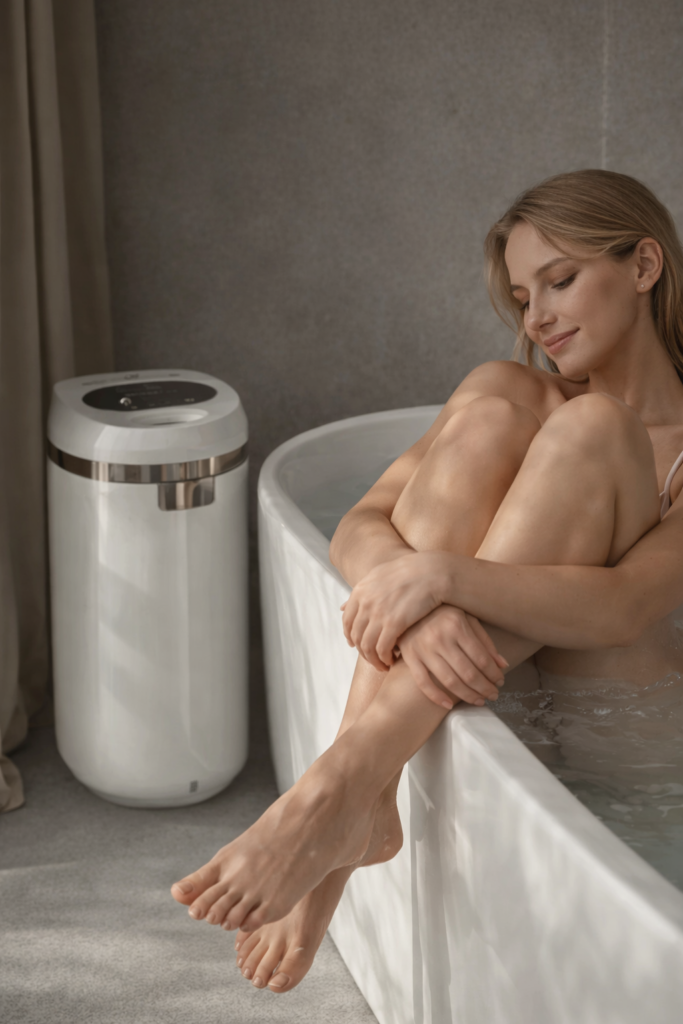
Using a home ice bath chiller safely and effectively is straightforward when you follow a proven sequence. Here’s a practical, step-by-step guide to optimize benefits while minimizing risks and maintenance headaches:
Step 1: Plan and Prepare Your Space
- Choose a space with more room than the chiller’s box lists—allow at least 18–24 inches extra on all sides for tubing, filter, and movement (source).
- Ensure flooring can handle moisture and elevated weight; keep components 2–4 inches off ground to avoid water or mold build-up indoors.
- Use a dedicated, grounded electrical outlet; never share a circuit with heavy appliances like fridges (source).
Step 2: Set Up Insulation and Components Correctly
- Use a properly insulated tub or plunge. Avoid metal or plastic stock tanks without added insulation—this is the main cause of high energy bills and constant chiller operation (source).
- Install a pre-filter before the pump to trap hair, debris, and grit, protecting the pump and main filter.
- Prime the system by filling tubing and all filter housings before startup. Never run a pump dry—it can burn out fast (source).
Step 3: Set Your Temperature and Session Duration
- For beginners, aim for 50–59°F (10–15°C), staying above 46°F. Do not go colder without substantial experience (source).
- Limit sessions to 1–5 minutes at first, max 10 minutes for most people. Build up gradually; the goal is comfort and recovery, not endurance (source).
Step 4: Post-Session Circulation and Cleaning
- Run the chiller to circulate water and filters for at least 3 hours a day total. This keeps water clean and prevents “stale” water (source).
- Check flow rates weekly—if they drop below 16–20 liters/min, clean or swap the pre-filter (source).
- Drain and deep-clean your tub at least monthly, or more often in warm or sunny home locations—especially if water looks cloudy or smells off.
For a complete walkthrough on chiller setup and operation, see How Does An Ice Bath Chiller Work.
Many users find a weekly schedule works best: 2–4 plunges per week, 3–5 minutes each, with quick hot rinse and lotion after. Consistent exposure—not pushing duration or extreme cold—is what drives realistic, sustainable adaptation.
Beginner Summary: Safe, consistent use of a home ice bath chiller starts with proper setup, insulation, and cleaning. Prioritize safety, comfort, and slow progression over intensity or “toughness.”
Advanced Analysis & Common Pitfalls
Users drawn to DIY setups or entry-level chillers often encounter recurring obstacles that undermine satisfaction and long-term use. Here’s a look at the main pitfalls based on user reviews, maintenance logs, and wellness industry feedback:
1. Setup & Space Limitations
- Cramped home environments: Most underestimate the space needed for the chiller, filter, and safe walkways—squeezing everything into a closet or laundry room leads to leaks, messy tubing, and awkward use (source).
- Condensate and drainage management is often neglected indoors, causing slippery floors or even mold (source).
2. Noise and Electrical Surprises
- Most consumer ice bath chillers are as loud as an air conditioner or fridge, especially during startup (8–10 amps)—not silent (source).
- Plugging into a shared circuit with other appliances causes tripped breakers or even fire risk (source).
3. Energy Use & Insulation Errors
- Using uninsulated tubs (like stock tanks) makes even a half horsepower chiller run nearly nonstop, driving up electric bills without reaching truly cold temperatures (source).
- Heavy energy and wear usually lead to breakdowns or abandonment within the first year, especially in warm climates (source).
4. Maintenance & Water Quality Issues
- Pumps and filters clog quickly from skin, hair, or outdoor debris. Missed filter swaps often destroy pumps or chillers (source).
- Water left stagnant or with weak circulation grows cloudy and smells, requiring full draining and scrubbing. Moving water for at least 3 hours/day solves most issues.
5. Durability and “Tough Guy” Myths
- Cheaper components—plastic pump or filter housings—crack or fail under daily use, not just under “abuse.”
- Long plunges or extreme temperatures are not superior. Most experienced users stick with 3–5 minute sessions in the 50–59°F range. Risks from “toughness” over safety include shock, breathing issues, or even hypothermia (source).
Comparison Table: Beginner Expectations vs. Real-World Use
| Beginner Expectation | Real-World Reality |
|---|---|
| Fits in small spaces with no extra room needed | Requires extra space for chiller, filter, power and user comfort |
| Silent or minimal noise operation | Sounds similar to a running air conditioner, especially at startup |
| Low, predictable energy costs | Uninsulated tubs spike electric bills and run chillers constantly |
| Minimal cleaning or maintenance | Frequent filter cleaning, drainage, and surface sanitizing needed |
| Chiller lasts for years without trouble | Component wear common when maintenance ignored or insulation lacking |
For further reading on ice bath cost, see Ice Bath Without Ice Cost.
In summary, home ice bath chillers can transform recovery routines, but require practical planning and regular care. If you value efficiency, consistency, and safety—plus you can devote space and time to maintenance—an insulated home chiller setup is a sustainable fit. If your priorities are “fast and easy with no effort,” consider whether your expectations match real-world experience first.
Conclusion
Choosing a home ice bath chiller for your recovery and wellness is a powerful step—if you avoid the most common mistakes that sabotage use and satisfaction. Focus on correct setup, safe temperature limits, proper insulation, and routine cleaning. Remember, ice bath mistakes to avoid are rarely dramatic errors, but small oversights that add up over time. Compare brands, spaces, and your willingness for regular maintenance before buying. For deeper insights on safe progression and benefits, see the Ice Bath For Beginners guide and explore our Cold Plunge At Home Guide as you plan your next steps.
FAQ
What is the ideal temperature for a home ice bath chiller?
For most beginners, stay between 50–59°F (10–15°C). Going colder increases discomfort and risk. Gradually decrease temperature as you gain experience.
How often should I clean and maintain my ice bath chiller?
Rinse and clean filters weekly or when flow rate drops. Drain, scrub, and sanitize your tub every 2–4 weeks or sooner if water appears cloudy.
Are ice bath chillers safe to use in any room of the house?
Only if the area is well ventilated, can handle moisture, and has a dedicated power circuit. Avoid small spaces with poor drainage or no floor protection.
How long should each ice bath session last for a beginner?
Start with 1–3 minutes in the cold water, never exceeding 10 minutes. Gradual exposure is safer and more sustainable than pushing limits.
Who should avoid using a home ice bath chiller?
Anyone with heart, circulation, or respiratory issues should consult a doctor before cold plunging. Children, pregnant individuals, or those with health concerns should avoid unless cleared by a professional.