

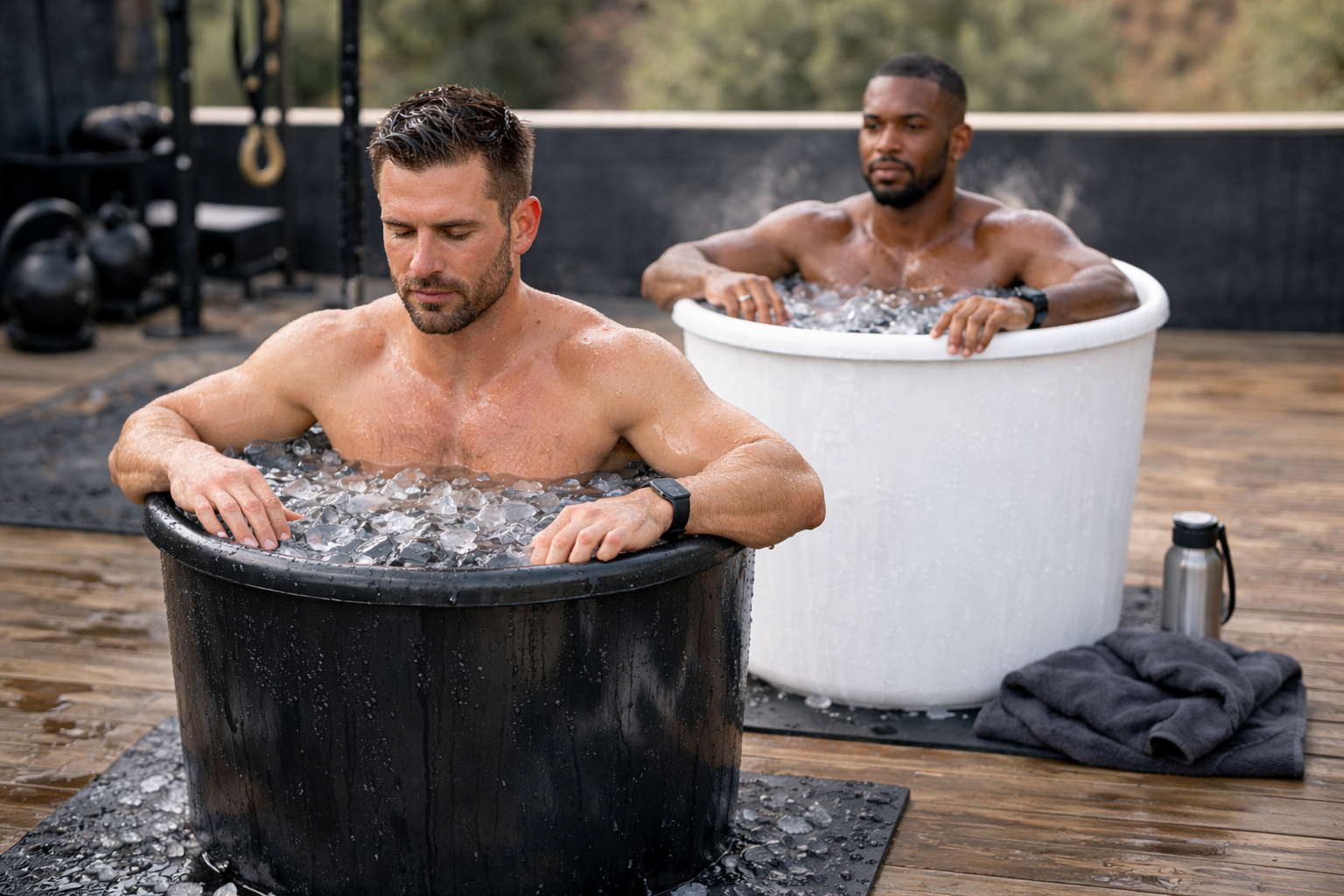
Ice bath recovery beginners is a growing topic in premium at-home wellness, offering a structured way for everyday people to support muscle recovery and reduce soreness using cold water immersion routines at home. For beginners, choosing and using a home ice bath chiller brings unique decisions, from setup to safety and maintenance, that differ from simply adding ice to a tub. This guide presents clear, honest insights from recent research, real-world use, and practical experience so you can set realistic expectations for your own recovery routine.
Key Takeaways
- Home ice bath chillers offer more precise, consistent cold temperatures than manual ice methods, making routines easier to sustain.
- Before buying a chiller, beginners should understand the importance of safe temperature and timing, not just cold intensity.
- Results and maintenance needs can vary — regular cleaning and careful scheduling are key to seeing real recovery benefits and avoiding frustration.
- What Is Ice Bath Recovery for Beginners?
- Step-by-Step Home Use Guide
- Advanced Analysis & Common Pitfalls
- Conclusion
- Frequently Asked Questions
What Is Ice Bath Recovery for Beginners?
Ice bath recovery for beginners describes a home wellness method where users immerse themselves in cold water (typically between 5 and 15°C) after exercise, aiming to ease muscle soreness and support recovery. At home, this is often achieved with an ice bath chiller—a system that cools and circulates water in a small tub or plunge pool—rather than adding bagged ice to a bathtub.
Peer-reviewed research from the last three years confirms that cold water immersion (CWI) can significantly reduce delayed onset muscle soreness (DOMS) when using moderate-temperature protocols (10–15 minutes at 11–15°C), and also support neuromuscular recovery at lower temperatures (5–10°C).1 For most beginners, these routines closely match expectations for pain relief and faster muscle recovery, although studies focus mainly on athletes and do not always address untrained users or those starting at home.2
The key difference between ice bath chillers and manual ice baths is consistency. Chillers allow precise control of water temperature and session timing, making routines more manageable, predictable, and efficient than relying on melting ice. This is especially valuable for beginners who benefit most from gradual and consistent exposure.
In short, home ice bath recovery routines let you create controlled, repeatable cold exposure sessions tailored to your comfort, supporting proven recovery science in a practical, beginner-friendly format.
Step-by-Step Home Use Guide
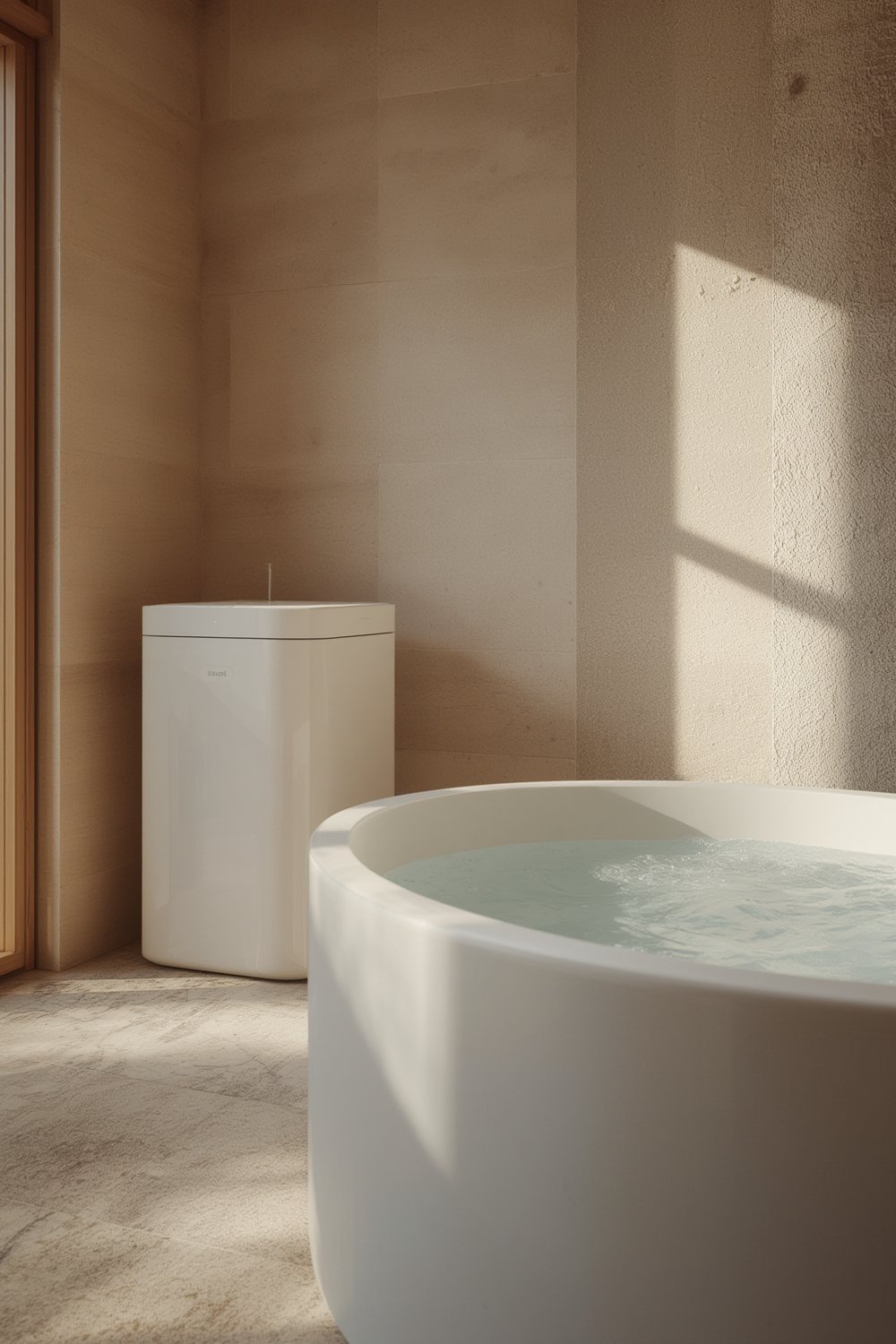
This step-by-step guide outlines how beginners can use a home ice bath chiller safely and effectively for muscle recovery:
1. Preparation
- Choose a tub or plunge pool that fits your height and allows full-body immersion up to the shoulders.
- Set up the chiller unit according to the manufacturer’s instructions, ensuring stable power and safe outdoor or indoor placement.
- Fill the tub with clean water and, if recommended, use simple water sanitation (such as a fine filter or an approved sanitizer tablet).
2. Temperature
- For beginners, start with 11–15°C (52–59°F) using the chiller’s digital controls or thermostat.
- Avoid going colder than 10°C (50°F) until you are experienced with basic sessions.
For a deeper temperature guide tailored to all experience levels, see Ice Bath Temperature Guide: 7 Essential Ways To Use Proven Recovery Strategies At Home.
3. Session Duration
- Begin with 2–3 minutes for your first few sessions to allow acclimatization.
- Work up to 10–15 minutes per session based on comfort, not just cold intensity.
Get research-backed guidance on timing at How Long Should You Stay In Ice Bath.
4. Frequency
- For recovery, 2–3 sessions per week is typical for beginners, with increased frequency possible once you’re comfortable.
- Always allow adequate time between sessions—daily is not required unless approved by a trusted professional.
For more details, read our Ice Bath Frequency Guide.
5. Basic Cleaning & Safety
- Rinse the tub and filter after each use to prevent buildup.
- Change water and perform a deeper clean every 1–2 weeks depending on use.
- Never use the chiller alone if you have concerns about cold exposure or circulatory health.
Following these basic steps helps beginners maintain a realistic, sustainable cold plunge habit—progress slowly, avoid sudden changes, and consistently prioritize safety over extreme results. Regular routines tend to work best for long-term muscle recovery and comfort.

Advanced Analysis & Common Pitfalls
While the benefits of ice bath recovery are well-supported for soreness relief and muscle performance in athletes, beginners using home ice bath chillers at home should be aware of several real-world drawbacks and common mistakes:
- Noise: Many entry-level chillers produce moderate compressor noise, which may be noticeable indoors or in quiet areas.
- Energy Use: Cold plungers and chillers can use significant power to rapidly cool and maintain low temperatures, influencing monthly electricity bills. Real operating costs vary widely by climate and usage—there is limited published data, but energy use should be checked before purchase.read more
- Cleaning Frequency: Without diligent cleaning and water maintenance, tubs can develop odors or biofilm, quickly making the experience less appealing. Home routines require more regular maintenance than most expect.
- Space Requirements: Even portable plunge tubs require floor space and stable placement near a suitable power source. Some users underestimate the space and weight of a filled bath.
- Abandonment: The initial novelty wears off, and beginners may stop using their chiller—often due to cold intolerance, schedule conflicts, cleaning annoyance, or lack of noticeable benefits. Unfortunately, there is no high-quality consumer survey quantifying these reasons.3
Below is a clear comparison of the main considerations for beginners deciding between a home ice bath chiller and manual ice/plastic tub approaches:
| Feature | Ice Bath Chiller | Manual Ice Bath (Bathtub/Plastic Tub) |
|---|---|---|
| Temperature Consistency | Precise, adjustable, holds set temp | Varies, hard to maintain target temp |
| Ease of Setup | Requires setup, can be semi-permanent, needs outlet | Quick, temporary, lower cost, but more manual effort |
| Water Quality | Has filtration/sanitizing system | Needs frequent draining and refilling |
| Operating Costs | Electricity, filter replacements, cleaning supplies | Recurring ice purchase or ice-making cost |
| Noise | Mechanical hum/compressor sound | Silent |
| Sustainability | Designed for frequent use and routines | Best for occasional/irregular sessions |
Ultimately, home ice bath chillers make it easier to maintain a structured recovery routine, but require more routine cleaning and home integration than beginners often expect. Weigh your space, schedule, and comfort with maintenance honestly before investing in a chiller unit.
Conclusion
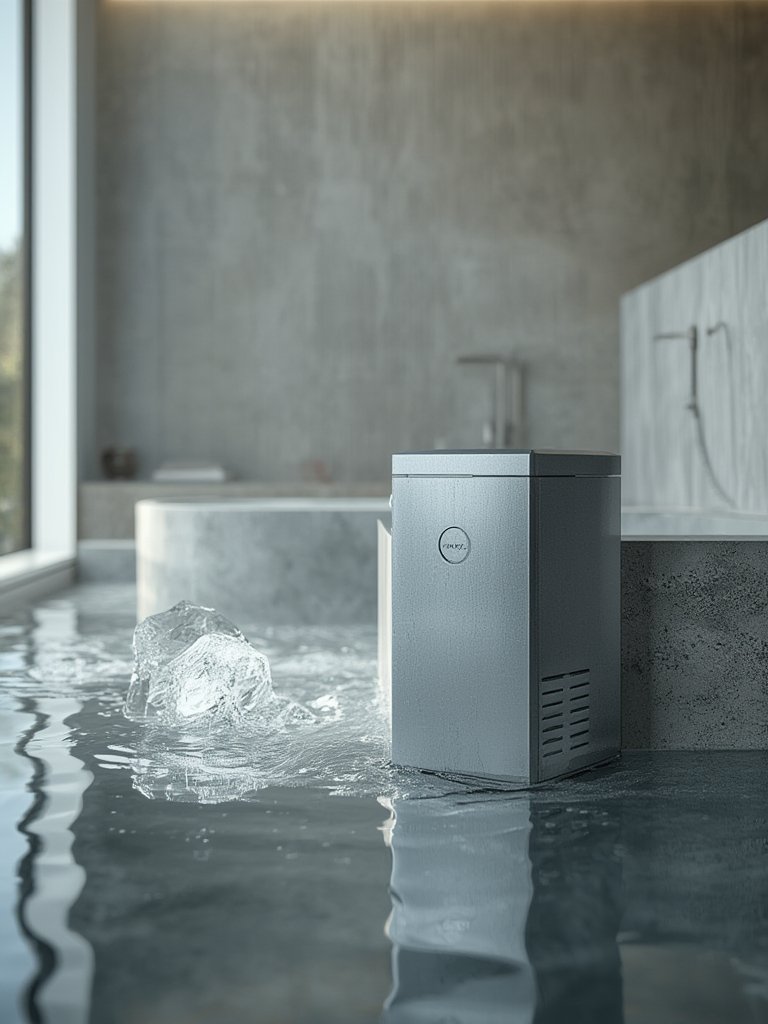
Ice bath recovery is increasingly accessible for beginners at home thanks to precise, convenient chiller technology that builds on decades of research around cold water immersion and muscle recovery. While the science is strong for soreness relief using safe protocols, real-world results depend on sustainable routines, safe temperatures, and regular cleaning—rather than chasing extreme cold or quick fixes. If you are starting out, take time to explore educational resources, compare equipment options, and consider your home setup to build a routine that fits your life and maximizes the honest benefits of ice bath recovery beginners. Always prioritize your wellness, not hype or trends.
For deeper research, practical comparison, and advanced setup tips, browse our related articles or consult an experienced wellness advisor.
Frequently Asked Questions
What is the safest starting temperature and duration for home ice bath recovery?
For most beginners, start with water between 11 and 15°C (52–59°F) and limit sessions to 2–5 minutes, building up gradually as your tolerance improves.
How often should I use an ice bath chiller for recovery?
Most beginners benefit from 2–3 sessions per week. Daily sessions are not necessary and could increase safety or comfort concerns if not monitored.
What maintenance does a home ice bath chiller require?
You need to rinse the tub and filter after each session, sanitize weekly, and change the water periodically to prevent odor or contamination.
Are ice bath chillers suitable for all homes and lifestyles?
They require dedicated floor space, access to power, and commitment to cleaning. Consider available space, schedule, and willingness to maintain before purchasing.
Is it OK to use a home ice bath chiller alone?
If you are healthy and follow safety guidelines, solo use may be reasonable, but beginners should avoid being alone until they know how their body reacts to cold exposure.
To build a safe, consistent routine, read our Ice Bath Mistakes To Avoid. Compare setup options and chiller models in Ice Bath Chiller Reviews or discover the best cold plunge chiller for beginners with further expert advice. For cleaning and water safety, see Ice Bath Water Maintenance: 7 Essential Ways To Master Proven Sanitation Practices.
Evidence from recent studies:
Frontiers in Physiology (2025),
IceBaths.com Science Review (2026),
Wiley: Cold Water Immersion Effects.