

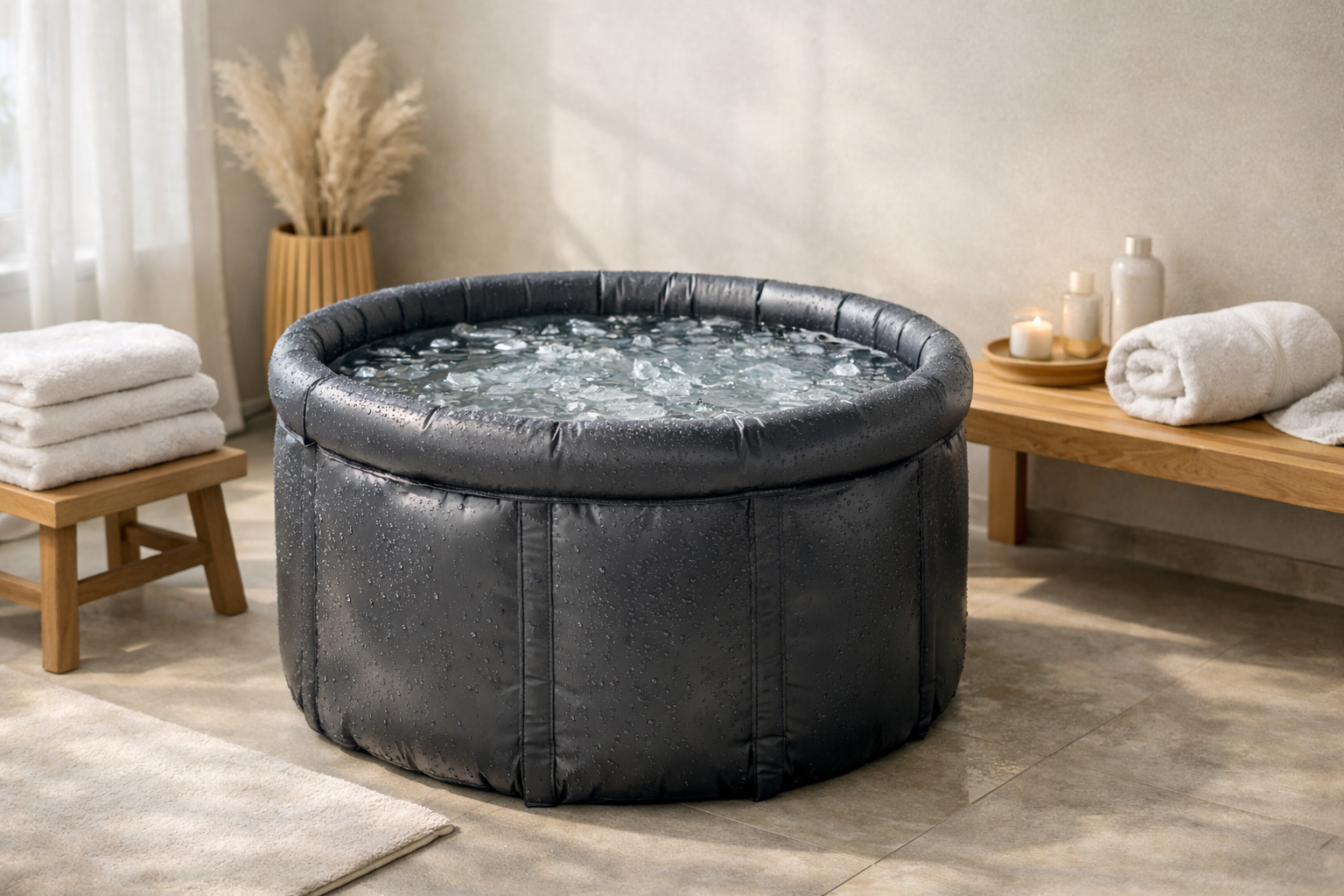
portable ice bath beginners is quickly becoming a cornerstone of premium home wellness and recovery routines, offering practical, science-informed ways to support physical and mental refreshment without leaving your home. For those entering the world of cold plunging for the first time, understanding the right equipment, temperature range, and maintenance habits makes a significant difference in both experience and outcome. This honest guide delivers straightforward advice, based on real research, to help you decide if starting a portable ice bath routine at home aligns with your wellness goals.
Key Takeaways
- Portable ice bath chillers help maintain consistent cold temperatures even in warm rooms, unlike manual ice filling.
- Beginners should prioritize safe temperature monitoring and gradual exposure to cold, not just “the coldest plunge.”
- Ongoing cleaning and water checks are needed—ice bath maintenance is simple, but not “set and forget.”
- The Core Concept: What Is a Portable Ice Bath for Beginners?
- Step-by-Step Home Use Guide
- Advanced Analysis & Common Pitfalls
- Conclusion
- FAQ
The Core Concept: What Is a Portable Ice Bath for Beginners?
A portable ice bath for beginners is a compact, often insulated tub—sometimes with an integrated chiller—designed to make controlled cold water immersion possible at home, even for those with no prior experience. The main goal is to bring wellness-focused cold therapy routines from high-end spas into your everyday space, offering more predictability and safety than using a regular bathtub or garden tub filled with ice.
Unlike classic methods that require buying and adding bags of ice, a home ice bath chiller works uses a refrigeration system to maintain desired cold temperatures—usually between 50°F and 59°F (10°C to 15°C) for beginners—without constant manual effort. This means no more guessing how much ice to buy, less mess, and far more control over water cleanliness and temperature. Leading models even come with digital thermometers, sturdy lids, and UV-resistant covers to help you maintain a stable cold environment.
For those starting out, this translates into safer, more consistent cold plunging with less guesswork, fewer supply runs, and lower risk of “overchilling” the water. You can learn more about how an ice bath chiller works and the logic behind home cold plunge setups.
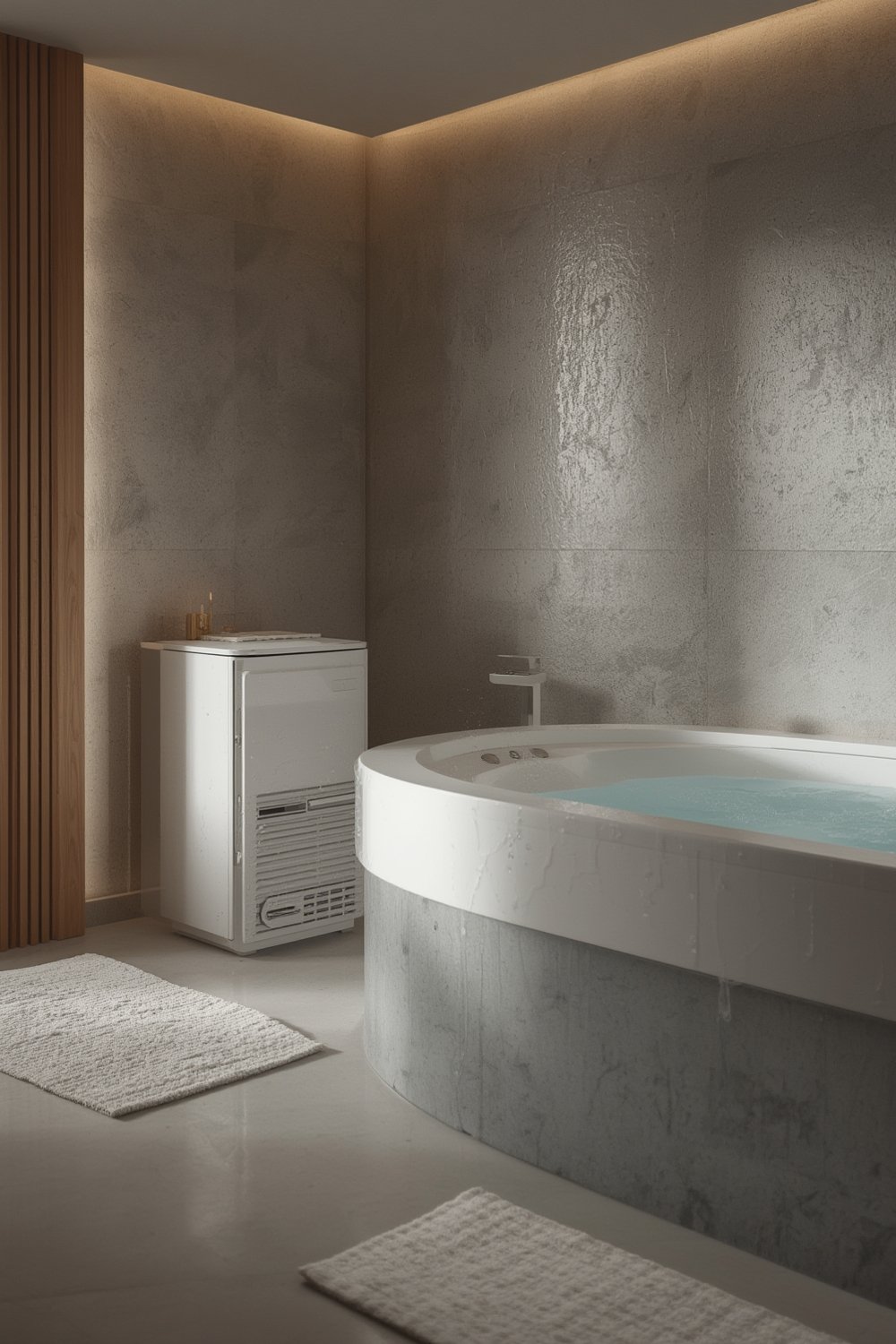
In summary, portable ice baths make safe, repeatable cold immersion much more accessible for beginners, supporting home wellness without the cost, logistical headaches, or unpredictability of traditional methods.
Step-by-Step Home Use Guide
Starting a portable ice bath routine at home may feel daunting, but a clear, research-backed approach helps you get maximum benefit while minimizing risk and frustration. Here is a step-by-step plan, calibrated for beginners:
- Preparation: Clean your tub before first use to remove residues that can affect temperature or sanitation. Fill with clean, cold tap water. If your chiller allows, pre-chill the water to around 59°F (15°C) or slightly warmer for your first sessions.
- Temperature Check: Use the built-in thermometer or a reliable water thermometer to monitor the temperature precisely. For beginners, target 57°F to 59°F (14°C to 15°C). Do not aim lower at first, as this increases safety risks (source).
- Session Duration: Start with 2 to 3 minutes, monitoring how you feel at all times. Even short sessions are valuable for adaptation. Gradually increase only if you feel steady and are not shivering or numb.
- Session Frequency: Two to three times per week is often sufficient for recovery or mental refreshment routines. Recovery demands and personal tolerance will guide your eventual habit.
- Cleaning & Water Maintenance: After each use, close the lid and keep the tub shaded. Remove debris promptly. Fully drain and clean the tub weekly, or more often if water appears cloudy or has an odor. Change water before a new cycle if in doubt. For an in-depth maintenance routine, see our ice bath water maintenance guide.
- Safety & Monitoring: Avoid using a portable ice bath alone, especially your first few times. Always have a towel, dry clothing, and a non-slip mat nearby to prevent slips after exiting.
If in doubt, keep sessions gentler and shorter, and review our beginner ice bath guide for a stepwise approach.
For sustained wellness, prioritize consistent, moderate sessions over extreme cold or long soaks. This creates positive adaptation and reduces the chance of discomfort or dropping the habit.
Beginner-friendly ice bath routines are defined by safety, accuracy, and comfort—not chasing the lowest possible temperature. Start steady, and you’ll build a sustainable at-home recovery habit that’s both practical and rewarding.
Advanced Analysis & Common Pitfalls
While modern portable ice baths offer many advantages over traditional ice-in-tub methods, several pitfalls and misconceptions still affect beginner success and satisfaction. Here’s a breakdown of the main real-world challenges and how to address them:
- Temperature Control: Even the best chillers struggle to hold low temperatures (<50°F/10°C) without constant cycling, especially if placed in a warm room or outdoors in the sun. For most beginners, aiming for the recommended 57°F–59°F (14°C–15°C) is both safer and more achievable (source).
- Cleaning Frequency: Many users underestimate the need for weekly (or even more frequent) cleaning. Sweat, skin cells, and outdoor debris can accumulate faster than expected. Lack of clear manufacturer guidance can leave beginners unsure—and stagnant water is not only unpleasant but unsafe.
- Ice Usage & Electricity: Manual setups require frequent ice purchases and significant water refill effort. Chillers reduce daily effort but do use electricity. For detailed advice on minimizing costs and maximizing efficiency, explore our chiller vs ice guide.
- Setup Frustration: Common reasons for giving up include guessing water temperature without a proper thermometer, not using a lid (leading to rapid warming and debris), and placing the tub in direct sunlight—all avoidable with simple habits.
- Space Requirements: Even portable tubs can require more floor space than expected, especially in shared indoor environments. Consider access to water, drainage, shade, and safe walkways.
| Feature | Portable Ice Bath Chiller | Manual Bathtub (Ice & Water) |
|---|---|---|
| Temperature Precision | High, digital control (within 2°F) | Low, guesswork, uneven after stirring |
| Insulation | Yes, with lid/UV cover | Minimal, heats rapidly |
| Cleaning Ease | Moderate (drain/fill required weekly) | Easy (drain after each use, refill each time) |
| Recurring Cost | Electricity (varies by use/climate) | Ice purchase or time making ice |
| Setup Time | Once, routine maintenance | Every session (buy ice, fill, stir) |
The majority of long-term frustrations come from avoidable issues—like choosing the wrong location, skipping temperature checks, or misunderstanding water maintenance. Most “abandonments” result from insufficient planning, not the cold itself.
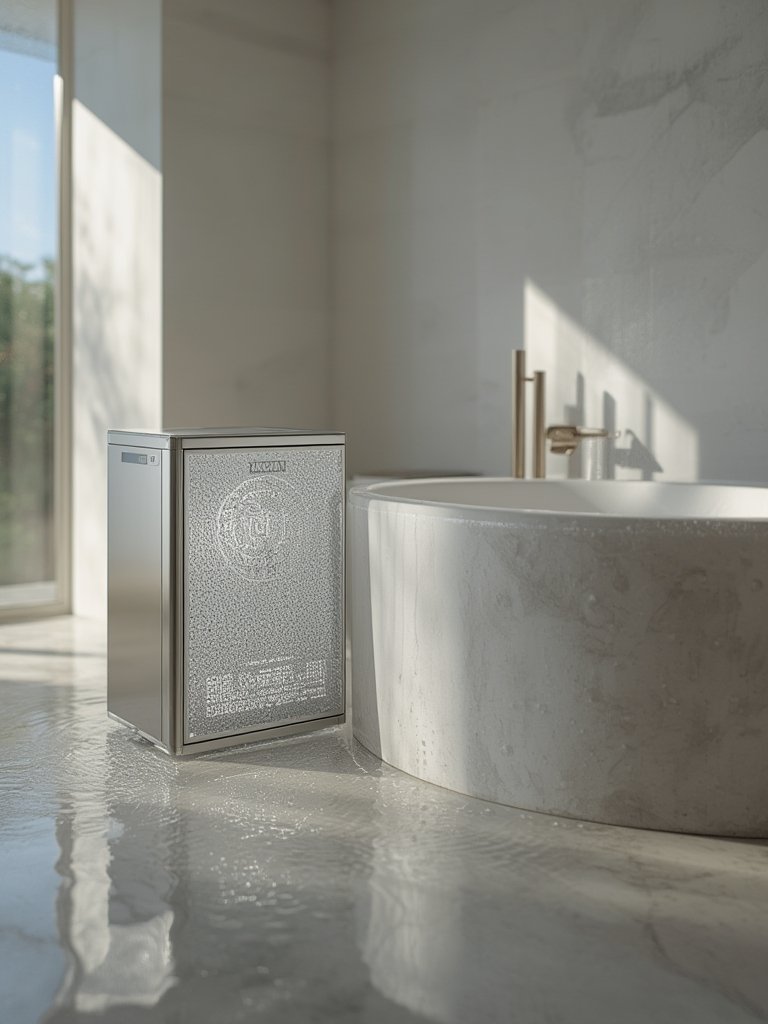
If you’re short on time for setup or weekly cleaning—or if you cannot safely fit a cold plunge into your routine—pause before purchasing. Done right, a portable ice bath is low effort but requires true consistency and care.
Conclusion
Portable ice bath beginners routines offer controlled, customizable cold immersion at home for recovery, mental refreshment, and wellness–but they rely on precise temperature control, regular cleaning, and realistic expectations. The most effective routines are simple, safe, and sustainable, not extreme. If you’re ready to compare options or deepen your routine, browse our beginner chiller comparison guide and approach your purchase as an informed, discerning wellness practice.
Remember: portable ice bath beginners is about creating a routine that works for you—never about chasing the coldest plunge. Take your time, do more research, and only move forward when you’re confident this fits your health and lifestyle goals.
FAQ
What is the safest water temperature for portable ice bath beginners?
The recommended starting range is 57°F to 59°F (14°C to 15°C). This reduces risk of hypothermia and is well tolerated by most beginners. Always use a water thermometer for accuracy. [Research source]
How long should I stay in a home ice bath as a beginner?
Start with 2 to 3 minutes per session. Always exit if you feel dizzy, shiver uncontrollably, or lose sensation in your limbs. Increase duration only with experience. For details, visit our ice bath timing guide.
How often do I need to change or clean the water?
Fully drain and clean your portable tub weekly, or sooner if the water looks cloudy or smells. Use a lid and keep the bath shaded to extend water freshness. Learn more in the ice bath water maintenance guide.
Who should not use a portable ice bath chiller?
Anyone with cardiovascular disease, poor circulation, or who is pregnant should consult a medical professional before starting any cold immersion routine. Home cold plunges are for generally healthy adults; always prioritize your safety and comfort.
Is a home ice bath chiller difficult to set up or maintain?
Most starter models are plug-and-play with basic weekly cleaning required. Choosing a shaded location, monitoring water temperature, and keeping a cleaning routine prevent most beginner issues. For a clear comparison of setup effort and recurring costs, review our chiller vs ice analysis.