

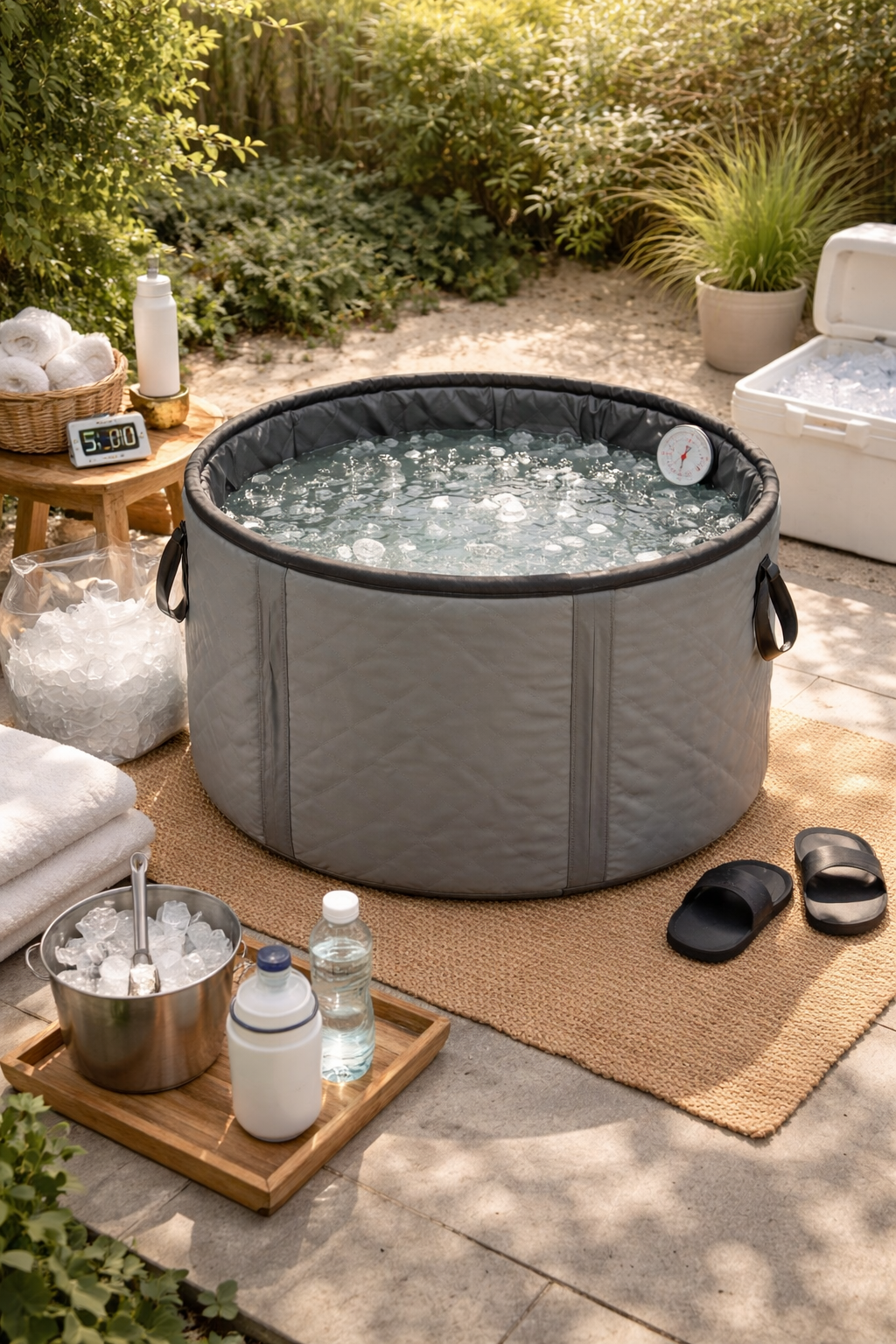
Portable ice bath setup is an increasingly popular solution for premium at-home wellness seekers wishing to incorporate cold immersion into their recovery routine, without the constant hassle and mess of buying or handling physical ice. A well-chosen home ice bath chiller brings spa-level cold therapy into your personal space—unlocking stress relief, muscle recovery, and a calming daily ritual. However, setting realistic expectations, understanding limitations, and knowing where the industry’s knowledge stops is essential for safe and sustainable use, especially for beginners exploring this investment for the first time.
Key Takeaways
- One clear insight about how home ice bath chillers work in real-world conditions.
- One important consideration beginners should understand before choosing or using a chiller.
- One realistic expectation about results, consistency, or maintenance.
- The Core Concept of Portable ice bath setup
- Step-by-Step Home Use Guide
- Advanced Analysis & Common Pitfalls
- Conclusion
- FAQ
The Core Concept of Portable ice bath setup
A portable ice bath setup centers around using a compact chiller unit to cool and circulate water in a dedicated tub or plunge system within your home. Unlike the traditional method of hauling in bags of ice or filling bathtubs with buckets, modern chillers take over the heavy lifting—cooling water to your desired Temperature Control (usually between 3°C and 15°C, about 37°F to 59°F) and sometimes adding filtration for cleaner, repeatable immersions.
This approach matters for home wellness, because it provides a reliable and efficient way for individuals to access cold-immersion therapy at any time, with far less ongoing effort. Advanced chillers maintain the temperature continuously, meaning you can plunge without advance preparation—so it becomes a sustainable part of your daily or weekly self-care routine.
Where manual ice methods rely on physically transporting and melting ice (which can be expensive, messy, and inconsistent), a chiller system delivers on-demand, adjustable cold, and extended use with less daily hassle. This turns the home ice bath from an occasional event into a routine, more controlled experience that aligns with research-backed protocols for recovery, stress reduction, or mental resilience.
For beginners, this means a more approachable, less overwhelming way to build a safe cold immersion practice—especially vital since rapid temperature changes or unsafe durations can have risks even for the experienced.
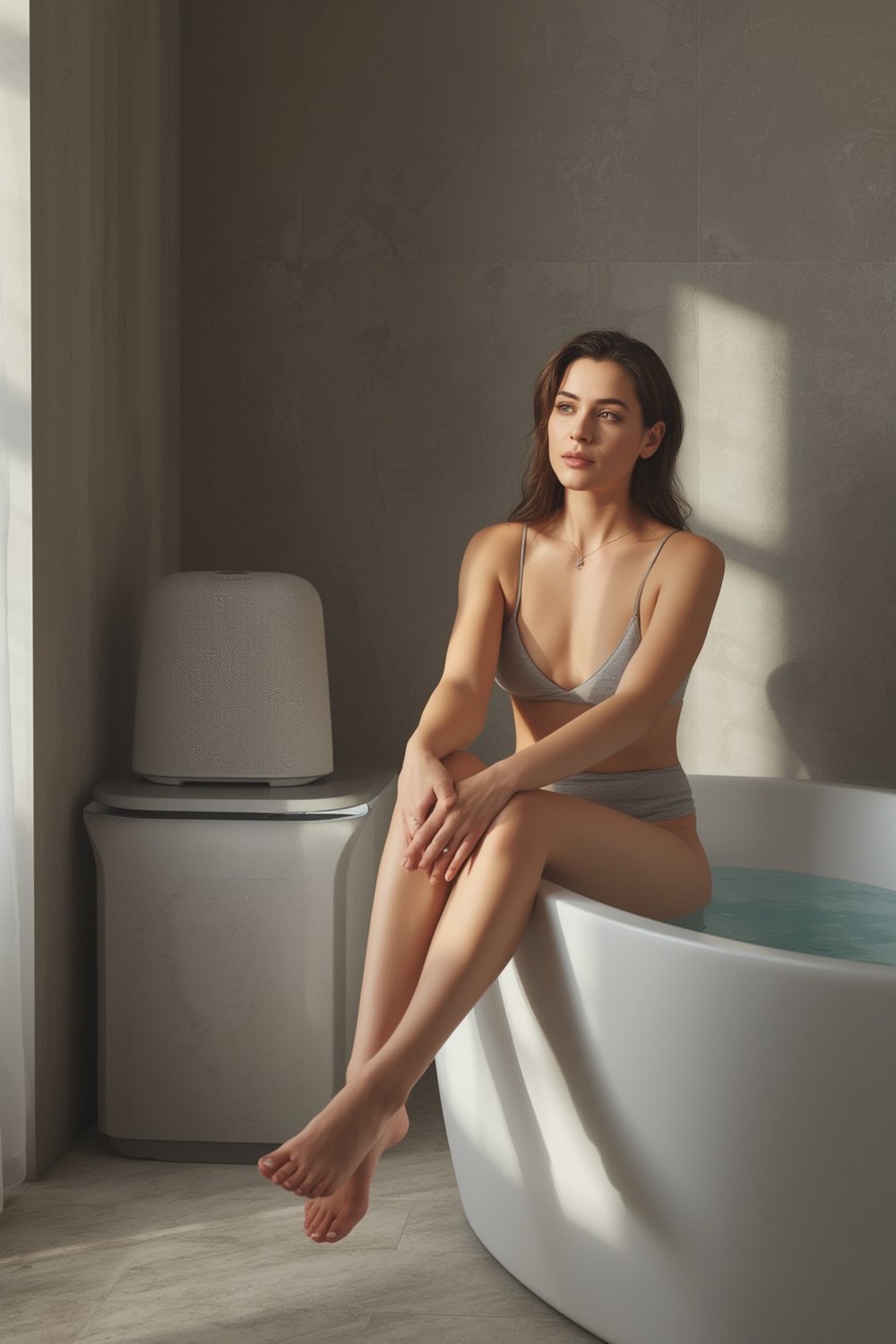
Bottom line: If you want stable, repeatable cold plunges without the time and mess of ice, a chiller-driven portable ice bath setup is a practical upgrade—but it works best with clear expectations and safe usage.
Step-by-Step Home Use Guide
To get started with a portable at-home ice bath chiller, follow these evidence-informed steps for maximum safety and effectiveness. Always proceed gradually and focus on comfort, not competition:
1. Preparation
- Find a location with flat, sturdy flooring (bathroom, utility space, or balcony if local regulations permit).
- Ensure nearby electrical access matches the chiller’s requirements. Do not run extension cords through water-prone areas.
- Check your water access and drainage options. Many portable tubs have drain valves for easy emptying—verify where the water will go.
- Review your apartment or HOA rules if applicable, as some complexes restrict modifications, drains, or noise from chillers.
2. Temperature Control Targets
- For beginners, set your chiller between 10°C and 15°C (50°F to 59°F) to start—never begin at lower settings.
- Always verify water temperature with an external thermometer before entering. Mechanical sensors may drift or be faulty.
According to sports science experts, cold plunges below 3°C (38°F) are not necessary for most users and can be dangerous, especially if you are new to cold therapy.
Read more: UNSW Health Risks of Ice Baths
3. Duration
- Limit your initial sessions to 3 to 5 minutes maximum, as supported by recent reviews of cold-immersion research (see PLOS One, 2025).
- Always exit the bath sooner if you feel numbness, pain, or uncontrollable shivering.
- Build tolerance slowly. For the first week, try a warm-to-cold shower to acclimate before attempting full immersion.
See also: Ice Bath Temperature Guide and Ice Bath for Beginners for more on session length and safety.
4. Frequency
- Begin with 2 to 3 sessions per week. Monitor how your body responds.
- If you have health concerns or pre-existing conditions, consult your medical provider before starting cold-immersion.
Tip: Too-frequent plunges can increase inflammation and reduce perceived benefits if you’re not properly recovered
(ScienceDaily—Cold Bath Health Effects).
See also: Ice Bath Frequency Guide.
5. Cleaning & Maintenance
- Change the water at minimum every 1 to 2 weeks, or more frequently if multiple users are involved.
- Use approved water cleaners or mild hydrogen peroxide—avoid harsh chemicals unless your tub and chiller are specifically rated for them.
- Wipe down all surfaces and test your filtration system regularly. Replace filters per the manufacturer’s schedule.
- Monitor for any mildew or buildup; immediate cleaning prevents system issues and odors.
Research data shows a lack of consensus on cleaning schedules, so err on the side of caution and cleanliness compared to the manufacturer’s claims. For a deeper look at chiller cleaning and cost management, visit Ice Bath Without Ice Cost.
Bottom line: Consistency and safety matter more than intensity or bragging rights. Treat every plunge as practice in gradual exposure, not a test of willpower.
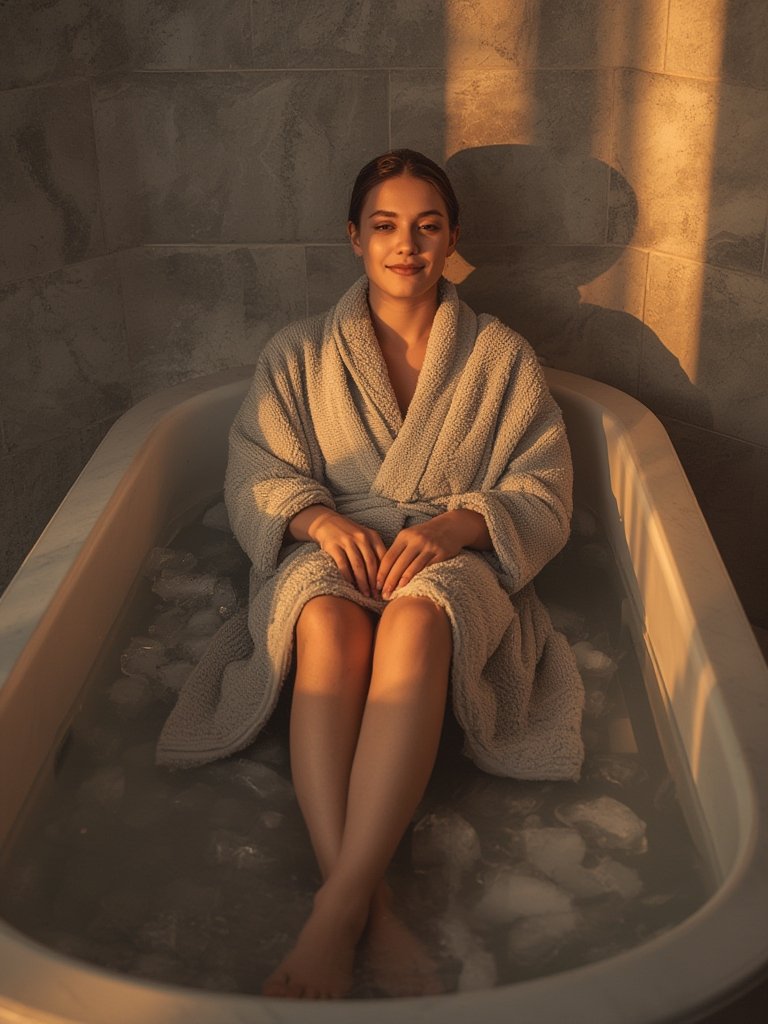
Advanced Analysis & Common Pitfalls
While a portable ice bath setup opens doors for home wellness, real-world research and user observations reveal several drawbacks that beginners often underestimate. Knowing these helps set expectations and increases your odds of sustained, safe use.
1. Noise & Space Constraints
- Consumer chillers can be as loud as a small window AC unit. This can be disruptive in apartments, particularly at night or in thin-walled spaces.
- Tubs and chillers take up more space than anticipated—plan for approximately the footprint of a small bathtub, plus 2–3 feet clearance for equipment, airflow, and access.
2. Electrical & Drainage Oversights
- Most home-grade chillers require a dedicated outlet and should never plug into overloaded or ungrounded circuits, which increases risk of malfunction or accident.
- Without easy drainage, emptying the tub gets cumbersome. Apartment dwellers must confirm where and how water will be released to avoid property damage or lease violations.
3. Water Quality, Cleaning, and Abandonment
- Water must be filtered and treated—many beginners are surprised by how quickly mold, biofilm, or odors develop if skipped. This is a common reason for users giving up on home units.
- Manufacturers often understate the frequency and attention required for proper cleaning, which directly affects system longevity and user safety.
4. Energy Consumption & Cost
- Compact chillers are more energy-efficient than industrial systems, but still draw significant power to maintain low water temperatures, especially during warm months.
- Even premium systems may underperform compared to their marketing specifications if set up in hot, poorly ventilated environments—expect real temperature minimums to be a few degrees higher than claimed during peak summer heat.
At this time, there is limited independent testing on whether specific brands deliver their promised performance (Cold Plunge Science in 2026).
Comparison Table: Portable ice bath setup Chiller vs Manual Ice Method
| Feature | Chiller-based Setup | Manual Ice Bath |
|---|---|---|
| Temperature Control | Precise, consistent | Varies, difficult to maintain |
| Setup Time | Instant, ready on demand | 15–30 min+ every time |
| Ongoing Cost | Higher upfront, lower ongoing | Low upfront, high ongoing (ice purchases) |
| Cleaning & Maintenance | Regular filtration, wiping, water change | Rinse after use, less biofilm risk (single use) |
| Noise | Noticeable during operation | Silent |
| Apartment Friendliness | Requires planning, possible restrictions | Temporarily feasible, more manual effort |
For troubleshooting and mistakes to avoid, read: Ice Bath Mistakes To Avoid and How Does An Ice Bath Chiller Work.
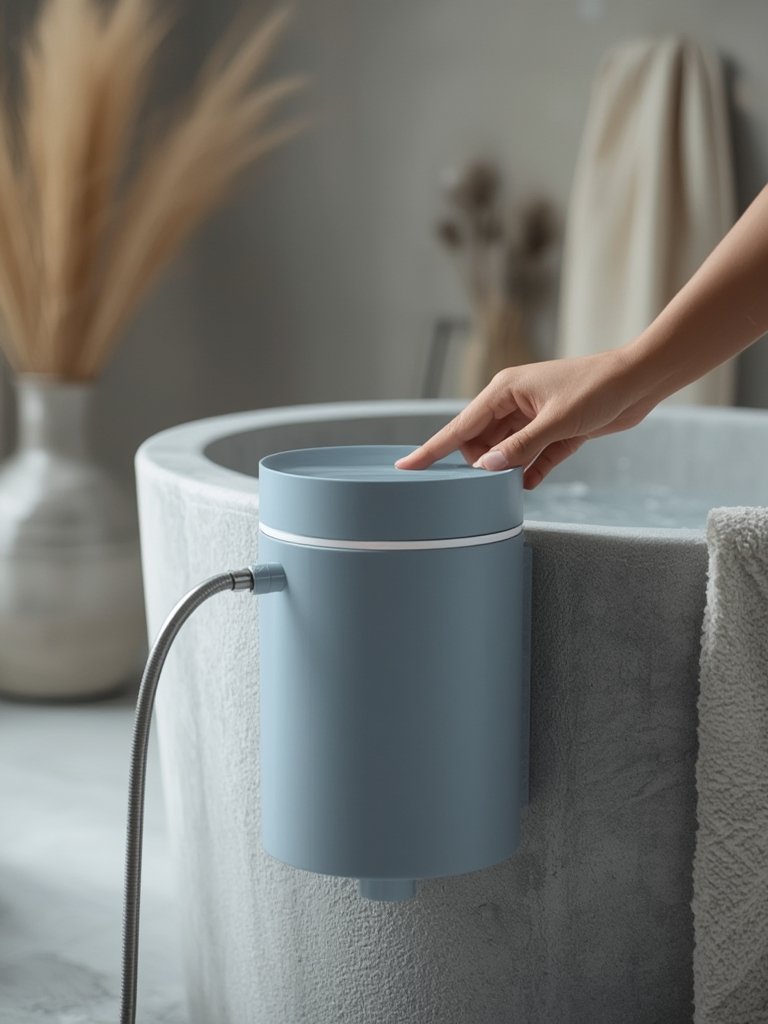
Summary: Take the time to plan your space, vet your equipment, and accept that ongoing attention to cleaning and safety is part of at-home cold immersion. If you embrace the routine, a portable ice bath chiller can be a sustainable upgrade. But if you need total silence, minimal effort, or hands-off operation, it may not be the ideal fit for your living space or lifestyle.
Conclusion
A portable ice bath setup makes evidence-based cold therapy accessible at home, offering accurate temperature control and repeatable recovery. While the convenience and premium wellness experience are undeniable advantages, purchasers should consider installation needs, cleaning duties, and realistic noise and energy use before committing. For many, a chiller-driven setup is the key to integrating regular cold plunges into a healthy lifestyle—provided you pace yourself, respect your limits, and remain attentive to both safety and sustainability. Compare products, read real user reviews, and reflect on your commitment to maintenance to make the most informed decision for your wellness journey.
FAQ
What is a safe starting temperature and duration for ice bath beginners?
Begin with water temperatures between 10°C and 15°C (50°F to 59°F), and limit sessions to 3 to 5 minutes until you gain comfort and experience. Monitor how you feel during and after each session, and always avoid pushing into unsafe cold or prolonged exposure.
How often should I use a home ice bath chiller?
For most beginners, 2 to 3 sessions per week is a safe starting point. Listen to your body and adjust the frequency based on your recovery needs and how your body responds.
What routine maintenance does a portable ice bath chiller require?
You should change the water every 1 or 2 weeks, clean and dry the tub surfaces frequently, and check or replace filtration components according to the manufacturer’s guidelines. More frequent cleaning may be necessary in shared or warm environments.
Are there any health risks with home ice bath use?
Yes, rapid exposure to cold water can trigger strong physical reactions—even in healthy people. Individuals with cardiovascular conditions, circulatory or respiratory issues should consult a healthcare professional before starting. Never plunge unsupervised or beyond recommended guidelines.
Is a portable ice bath setup suitable for apartments or small homes?
It can be, but careful planning is needed regarding space, drainage, noise levels, and compliance with building rules. Confirm all practicalities before purchase to prevent inconvenience or unintended property issues.